
What to Do After Storm and Fallen Tree Damage Hits Your Property
Severe storms can happen without much warning. Heavy rain, strong winds, hail, lightning, and falling trees can damage homes and businesses in just a few minutes. Even after the storm passes, the damage it leaves behind can continue to get worse if it is not handled quickly.
A fallen tree can crush a roof, break windows, damage siding, or block driveways. High winds may tear off shingles or knock down power lines. Heavy rain can enter your home through damaged roofs and windows, leading to water damage, mold growth, and costly repairs.
After a major storm, it is easy to feel overwhelmed. You may not know where to begin or what steps to take first. While cleaning up your property is important, your safety should always come before property repairs.
Knowing what to do immediately after storm and fallen tree damage can help protect your family, reduce additional property damage, and make the insurance process easier.
In this guide, you'll learn how to stay safe, inspect your property, prevent further damage, document everything for insurance, and understand when it's time to call professional restoration experts.
Stay Safe Before Inspecting the Damage
After a storm, your property may have hidden hazards that are not immediately visible. Before you begin cleaning up or inspecting damage, make sure the area is safe.
Never rush outside as soon as the storm ends. Take a few moments to look around carefully and identify anything that could put you or your family at risk.
Check for Immediate Hazards
Storms can create dangerous conditions around your home. Some hazards are easy to see, while others may be hidden beneath debris or damaged building materials.
Downed Power Lines
One of the most dangerous hazards after a storm is a downed power line.
Never touch a fallen electrical line or anything it may be touching, including fences, tree branches, vehicles, or standing water.
Always assume the line is energized.
If you see a downed power line, stay far away and contact your local utility company immediately. Keep children and pets away until professionals say the area is safe.
Gas Leaks
Storm damage can sometimes break gas lines or damage gas appliances.
Signs of a gas leak include:
- A strong sulfur or rotten egg smell
- Hissing sounds near gas lines
- Dead plants around outdoor gas lines
If you suspect a gas leak, leave the property immediately.
Do not turn lights on or off, use electrical devices, or start your vehicle nearby.
Call your gas company or emergency services from a safe location.
Unstable Trees or Hanging Branches
Even if a tree did not fall completely, it may still be dangerous.
Large branches hanging overhead can fall without warning.
Trees that are leaning more than usual or have cracked trunks may collapse later.
Keep a safe distance and avoid walking beneath damaged trees.
Only trained professionals should remove unstable trees or large branches.
Structural Damage to the Home
Strong winds and fallen trees can weaken parts of your home.
Look for warning signs such as:
- Sagging roofs
- Cracked support beams
- Leaning walls
- Large foundation cracks
- Roof sections that have partially collapsed
If you believe your home has structural damage, do not enter until it has been inspected by qualified professionals.
Keep Family Members Away from Dangerous Areas
Once you've identified potential hazards, keep everyone away from damaged areas.
Children may be curious about storm damage, but broken glass, exposed nails, damaged electrical wiring, and unstable structures can all cause serious injuries.
Block Off Unsafe Areas
Use caution tape, cones, rope, or temporary barriers if possible.
Prevent family members, neighbors, and pets from entering dangerous areas around the property.
This is especially important if cleanup crews have not yet arrived.
Do Not Enter Severely Damaged Buildings
If a tree has fallen through your roof or large sections of your home have collapsed, stay outside until professionals determine the building is safe.
Structural damage is not always visible from the outside.
Floors and ceilings weakened by water or impact may collapse unexpectedly.
Wait for Emergency Services if Needed
If someone is injured, trapped, or your home has major structural damage, contact emergency services immediately.
Do not attempt dangerous rescues yourself if doing so could put more lives at risk.
Professional first responders have the equipment needed to handle these situations safely.
Assess Storm and Fallen Tree Damage
After making sure your property is safe, begin inspecting the damage.
Take your time and carefully document everything you find.
This inspection will help you understand the extent of the damage and provide valuable information for your insurance company.
Inspect the Exterior of Your Property
Walk slowly around your home and look for visible damage.
Avoid climbing onto the roof o
Broken Windows
High winds, hail, and falling branches can break windows.
Broken windows allow rain, insects, and debris to enter your home.
If it is safe, cover broken windows with plywood or heavy plastic until permanent repairs can be completed.
Damaged Siding
Inspect the outside walls of your home.
Strong winds may loosen or tear away siding, exposing the building to moisture.
Look for:
r entering unsafe areas.
Roof Damage
Storms often cause roof damage that may not be obvious from the ground.
Look for signs such as:
- Missing shingles
- Bent flashing
- Holes in the roof
- Tree branches resting on the roof
- Loose roofing materials
Even small roof openings can allow rainwater to enter your home.
Temporary protection should be installed as soon as possible.
Broken Windows
High winds, hail, and falling branches can break windows.
Broken windows allow rain, insects, and debris to enter your home.
If it is safe, cover broken windows with plywood or heavy plastic until permanent repairs can be completed.
Damaged Siding
Inspect the outside walls of your home.
Strong winds may loosen or tear away siding, exposing the building to moisture.
Look for:
- Cracks
- Missing panels
- Dents from hail
- Loose trim
- Hit the roof
- Damaged the garage
- Crushed a fence
- Blocked access to the property
- Is resting against power lines
Repairing exterior damage quickly helps prevent water from entering the structure.
Fallen Trees and Large Branches
Inspect the location of fallen trees carefully.
Notice whether the tree:
Never try to remove a large tree yourself.
Trees under pressure can shift suddenly, creating serious safety hazards.
Check the Interior for Damage
After inspecting outside, carefully check the inside of your home.
Some storm damage becomes visible only after water begins entering the building.
Ceiling Leaks
Water stains, dripping water, or damp ceilings often indicate roof damage.
Place buckets beneath active leaks to collect water until repairs can begin.
Avoid puncturing bulging ceilings unless instructed by professionals.
Water Intrusion
Water may enter through damaged roofs, windows, doors, or foundation cracks.
Look for moisture around:
- Windows
- Exterior walls
- Attics
- Basements
- Crawl spaces
The sooner water is removed, the lower the risk of mold growth.
Cracked Walls
Large impacts from fallen trees can shift parts of a home's structure.
Inspect walls for:
- New cracks
- Bowing
- Doors that no longer close properly
- Separated trim
These may indicate structural movement that requires professional evaluation.
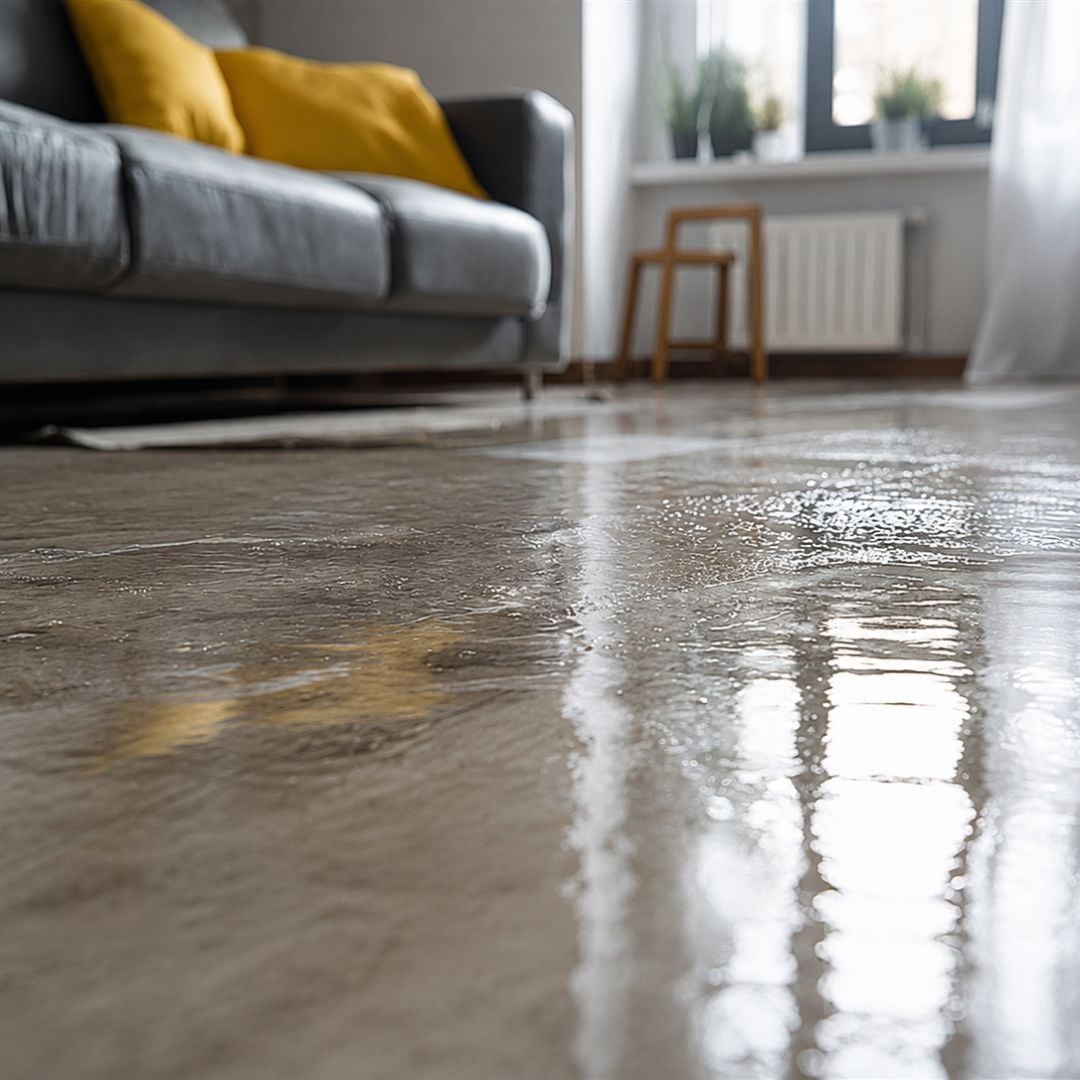
Wet Flooring
Water can quickly soak into hardwood floors, carpet, laminate flooring, and subfloors.
Wet flooring should be dried as soon as possible to reduce swelling, warping, and mold growth.
If water remains for more than a day or two, mold can begin growing beneath the flooring.
Determine if the Tree Is Stable
Not every damaged tree falls immediately.
Some remain standing but are no longer stable.
Leaning Trees
If a tree suddenly leans after a storm, its root system may have been damaged.
The tree could fall during the next storm or even on a calm day.
Have it inspected by a qualified tree professional.
Broken Trunks
A cracked or split trunk significantly weakens a tree.
Even if the tree remains standing, it may fail without warning.
Avoid parking vehicles or walking near damaged trees.
Exposed Roots
High winds can partially lift trees from the ground.
Exposed roots often mean the tree has lost stability.
In many cases, these trees cannot be safely saved.
Professional evaluation is the safest option.
Why Damaged Trees Should Be Evaluated by Professionals
Tree removal is much more dangerous than many homeowners realize.
Damaged trees can shift unexpectedly due to internal stress, broken limbs, or unstable root systems.
Certified tree professionals have the training and equipment needed to safely assess and remove hazardous trees without causing additional damage to your property.
Take Steps to Prevent Further Damage
After you have checked that your family is safe and inspected your property, the next step is to prevent additional damage. Storm damage can become much worse if water continues to enter your home or if damaged materials are left untreated.
Taking temporary measures can help protect your property while you wait for professional repairs.
Cover Roof Damage
A damaged roof is one of the most common problems after a severe storm. Missing shingles, broken flashing, or holes caused by fallen trees allow rainwater to enter your home.
Temporary Tarping
If it is safe to do so, cover damaged sections of the roof with a heavy-duty tarp.
A properly installed tarp helps keep rain out until permanent repairs can be made.
Never climb onto a roof during bad weather or if the roof appears unstable. If the damage is extensive, contact a professional restoration company for emergency roof tarping.
Prevent Additional Water Intrusion
Every rainfall after a storm can make the damage worse.
Water entering through a damaged roof can soak insulation, drywall, ceilings, and flooring. It can also damage electrical systems and personal belongings.
Protecting exposed areas as soon as possible reduces repair costs and lowers the risk of mold growth.
Remove Water if Safe to Do So
Storm damage often allows water to enter your home through damaged roofs, broken windows, or flooding.
Removing water quickly is one of the best ways to protect your property.
Standing Water
If only a small amount of clean water has entered your home and there are no electrical hazards, remove it using mops, towels, or a wet vacuum.
Never enter standing water if electrical outlets, appliances, or wiring may be energized.
If flooding is significant, wait for restoration professionals with specialized water extraction equipment.
Dry Affected Areas Quickly
After removing standing water, begin drying wet materials immediately.
Open windows if weather conditions allow. Use fans and dehumidifiers to increase airflow and remove moisture from the air.
Professional drying equipment is often needed because moisture can remain trapped inside walls, beneath flooring, and inside cabinets long after surfaces appear dry.
The faster materials are dried, the lower the chance of mold developing.
Protect Personal Belongings
Storm damage can affect much more than the structure of your home.
Furniture, electronics, clothing, family photos, and important documents may also be at risk.
Move Furniture and Valuables
If it is safe, move furniture, rugs, and valuable belongings away from wet areas.
Placing aluminum foil or wooden blocks under furniture legs can also help reduce water damage.
Handle wet furniture carefully because some materials become weak after absorbing water.
Save Important Documents
Important papers should be moved to a dry location as soon as possible.
This includes:
- Birth certificates
- Passports
- Insurance policies
- Financial records
- Property documents
If documents become wet, allow them to air dry and contact a document restoration specialist if needed.
Prevent Additional Damage
Small actions taken immediately after a storm can make a big difference.
Removing wet rugs, opening cabinet doors for airflow, and relocating valuable belongings can help reduce overall restoration costs.
Avoid Dangerous Cleanup Mistakes
Many homeowners want to begin cleaning up as quickly as possible after a storm.
While that is understandable, some cleanup tasks can be dangerous without the proper equipment and training.
Knowing what not to do is just as important as knowing what to do
Never Remove Trees Near Power Lines
One of the biggest mistakes homeowners make is trying to remove fallen trees that are touching electrical lines.
Contact the Utility Company
If a tree has fallen onto power lines, contact your local utility company immediately.
Utility crews will determine when the area is safe.
Never assume the electricity has been turned off.
Wait for Qualified Professionals
Even experienced tree removal companies often wait until utility crews confirm that electrical hazards have been eliminated.
Trying to cut or move a tree near power lines can result in serious injury or death.
Leave Large Tree Removal to Experts
Removing large trees requires specialized equipment and experience.
Heavy Equipment
Professional crews use cranes, lifts, chainsaws, and other equipment designed for safe tree removal.
Without the right tools, homeowners can easily lose control of heavy branches or tree sections.
Chainsaw Safety
Chainsaws are powerful but dangerous.
Storm-damaged trees often contain twisted branches and compressed wood that can shift unexpectedly during cutting.
Improper cutting techniques can cause severe injuries.
Risk of Unstable Trees
Trees damaged by storms are often under extreme pressure.
A branch or trunk may appear stable but suddenly snap or roll during removal.
Professional tree removal companies understand how to safely release this pressure while protecting nearby structures.
Watch for Hidden Structural Damage
Not all storm damage is visible.
Even if your home looks safe from the outside, hidden structural problems may exist.
Roof Framing
A tree impact can damage roof trusses and support beams without causing immediate collapse.
Professional inspections help identify weakened structural components before repairs begin.
Foundation Damage
Large falling trees can shift parts of your home's foundation.
Watch for:
- Large wall cracks
- Uneven floors
- Doors or windows that suddenly stick
- Gaps around window frames
These signs should be inspected by qualified professionals
Hidden Water Intrusion
Water often travels behind walls before becoming visible.
Even if walls appear dry, moisture may remain inside insulation and framing.
Professional moisture detection equipment helps locate hidden water before mold develops.
Document the Damage for Insurance
Proper documentation can make the insurance claims process much smoother.
Before beginning major cleanup or repairs, gather as much evidence as possible.
Take Photos and Videos
Photographs provide valuable proof of storm damage.
Take clear pictures from multiple angles before moving damaged items whenever possible.
Exterior Damage
Photograph:
- Roof damage
- Broken siding
- Damaged fences
- Fallen trees
- Driveways
- Landscaping
These images help show the full extent of the storm's impact.
Interior Damage
Inside your home, document:
- Water stains
- Wet flooring
- Damaged ceilings
- Broken windows
- Flooded rooms
Include wide shots as well as close-up photos.
Fallen Trees
Photograph trees before they are removed.
Include images showing where they landed and any damage they caused to your home or other structures.
Damaged Belongings
Take photos of damaged furniture, electronics, clothing, appliances, and personal items.
Keep a written inventory whenever possible.
Contact Your Insurance Company
Notify your insurance provider as soon as you can after the storm.
The sooner your claim begins, the sooner repairs may be approved.
Start the Claims Process
Provide your insurance company with:
- Photos
- Videos
- A list of damaged items
- A description of what happened
They may schedule an adjuster to inspect your property.
Temporary Repairs
Many insurance companies recommend taking reasonable steps to prevent additional damage.
Examples include:
- Roof tarping
- Boarding broken windows
- Removing standing water
Always ask your insurance company what temporary repairs they recommend.
Keep Receipts for Emergency Expenses
Save receipts for emergency repairs, hotel stays, temporary housing, and cleanup supplies.
These expenses may be reimbursable depending on your insurance policy.
Why Fast Storm Damage Restoration Matters
Acting quickly after a storm protects your home and helps prevent secondary damage.
The longer water and debris remain on your property, the greater the chance of expensive repairs.
Prevent Water Damage
Rain Entering Through Damaged Roofs
Even a small roof opening allows water to continue entering your home during future storms.
Prompt temporary repairs help reduce interior damage.
Wet Building Materials
Drywall, wood, insulation, and flooring absorb water quickly.
Professional drying helps save these materials before permanent damage occurs.
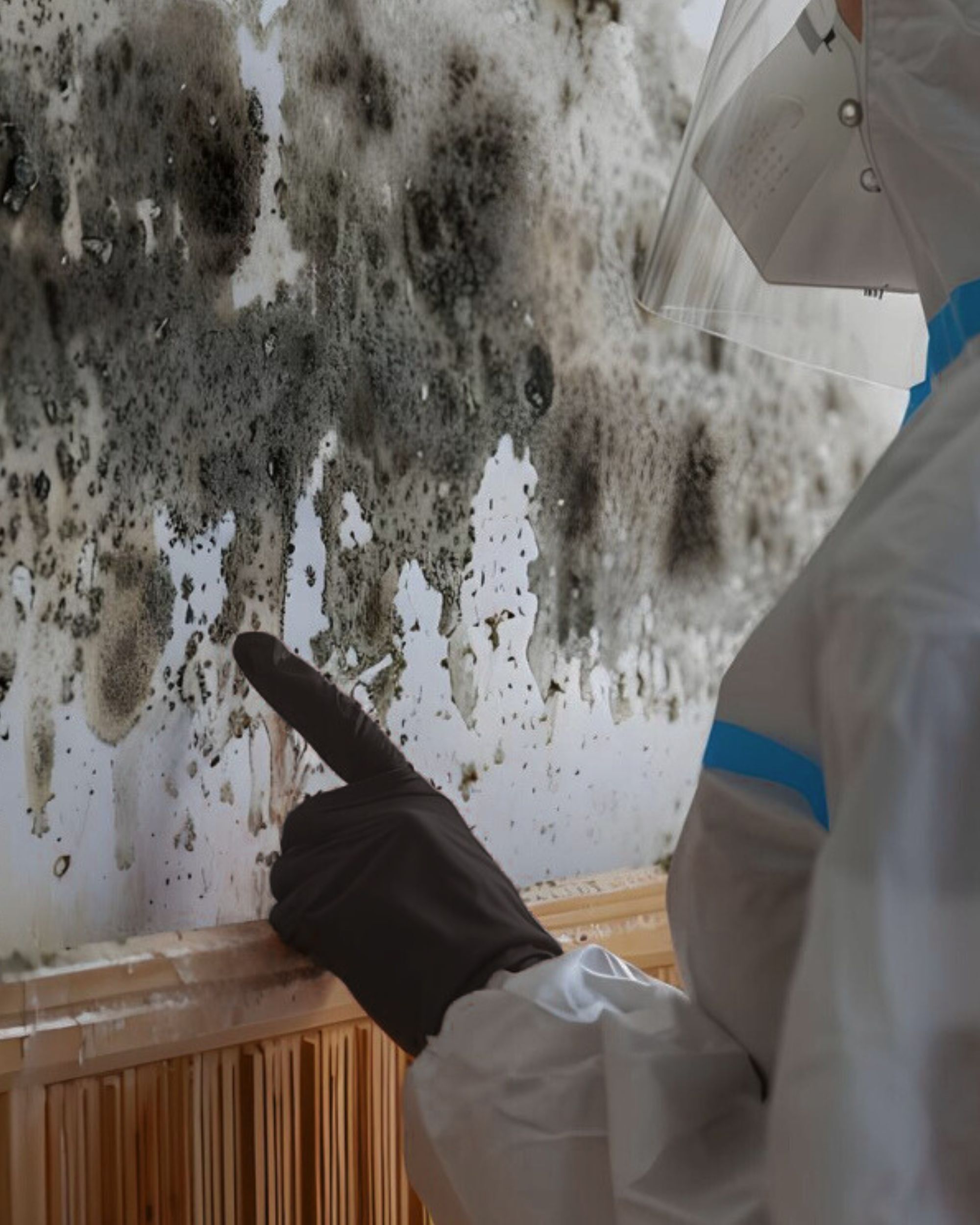
Reduce the Risk of Mold Growth
Mold Can Develop Within 24–48 Hours
Moisture left inside walls and flooring creates the perfect environment for mold.
Quick drying significantly reduces this risk.
Importance of Rapid Drying
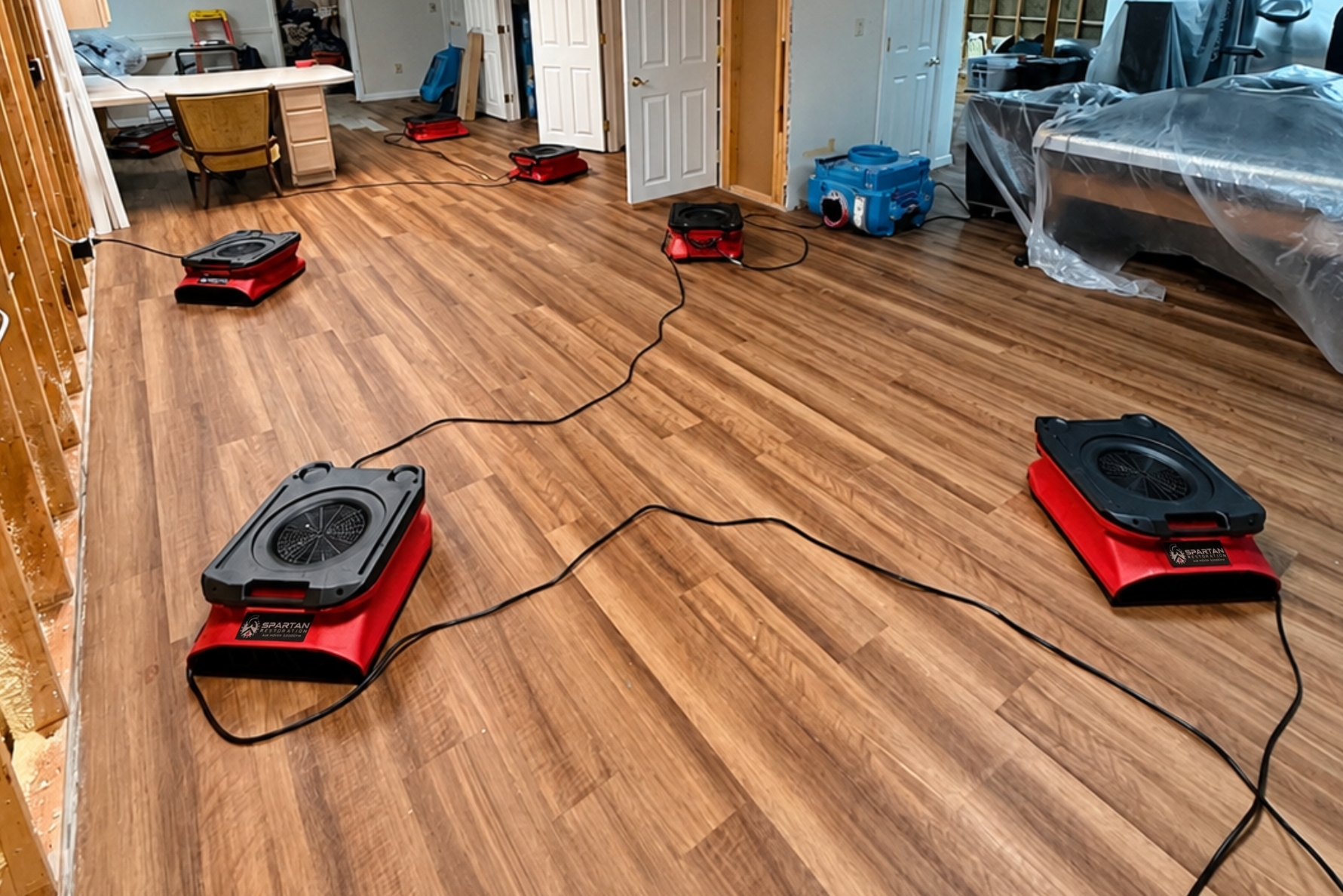
Industrial air movers and commercial dehumidifiers remove moisture much faster than household fans.
Professional drying also removes hidden moisture that homeowners cannot easily detect.
Protect Your Home's Structure
Prevent Wood Rot
Wet wood weakens over time.
Removing moisture early helps preserve framing, flooring, and structural supports.
Reduce Long-Term Damage
Early restoration often prevents much larger repairs later.
Taking action quickly protects both your property and your investment.
How Professional Restoration Helps
Storms can leave behind more than broken trees and damaged roofs. Water may enter your home through openings that are difficult to see, and hidden moisture can continue causing damage long after the storm is over. Professional restoration companies have the equipment and experience to respond quickly and restore your property safely.
Emergency Board-Up and Roof Tarping
One of the first priorities after storm damage is protecting your home from additional weather.
Secure Exposed Areas
Broken windows, damaged doors, and openings in the roof leave your home exposed to rain, wind, pests, and debris.
Professional restoration teams can board up broken windows and doors to secure your property until permanent repairs are completed.
Prevent Additional Weather Damage
Roof tarps provide temporary protection against rain and moisture.
Installing a tarp quickly helps prevent water from entering your attic, ceilings, walls, and insulation. This simple step can reduce repair costs and lower the risk of mold growth.
Water Extraction and Structural Drying
Even a small roof leak can allow enough water into your home to cause significant damage.
Industrial Drying Equipment
Professional restoration companies use powerful water extractors, air movers, and commercial dehumidifiers to remove water and dry building materials.
These machines work much faster than household fans and help reduce drying time throughout the property.
Moisture Detection
Not all moisture is visible.
Restoration professionals use moisture meters and thermal imaging cameras to locate hidden water behind walls, beneath flooring, and inside ceilings.
Finding hidden moisture is important because trapped water can lead to mold growth and structural damage if left untreated.
Storm Damage Cleanup
Cleaning up after a storm involves much more than picking up branches.
Debris Removal
Storms often leave behind fallen limbs, roofing materials, broken glass, insulation, and other debris.
Professional cleanup crews safely remove these materials to make the property safe again.
Tree Impact Cleanup
When a tree falls onto a home, cleanup requires careful planning.
Restoration teams work with qualified tree removal specialists to safely remove the tree while preventing additional damage to the structure.
Property Stabilization
Before repairs begin, professionals stabilize the property by protecting damaged areas and reducing the risk of further deterioration.
This may include temporary supports, roof coverings, or other emergency measures.
Repairs and Restoration
Once the property is dry and safe, permanent restoration work can begin.
Structural Repairs
Storm damage may require repairs to the roof, walls, framing, flooring, or foundation.
Restoration professionals repair or replace damaged building materials to restore the home's strength and safety.
Interior Restoration
Water-damaged drywall, insulation, flooring, trim, and ceilings may need repair or replacement.
The goal is to return your home's interior to its pre-loss condition while ensuring hidden moisture has been eliminated.
Returning the Property to Pre-Loss Condition
Professional restoration focuses on more than cleaning up storm debris.
The goal is to restore your home or business to the condition it was in before the storm whenever possible.
From emergency response to final repairs, experienced restoration teams help homeowners recover faster and with less stress.
Tips to Prepare for Future Storms
Although storms cannot be prevented, homeowners can reduce the risk of property damage by preparing ahead of time.
Regular maintenance and a good emergency plan can make a big difference when severe weather arrives.
Inspect Trees Regularly
Healthy trees are much less likely to fall during strong winds.
Remove Dead Branches
Dead or damaged branches can break off during storms and damage roofs, vehicles, or power lines.
Regular pruning helps reduce this risk.
Watch for Leaning Trees
Trees that begin leaning, develop cracks, or show exposed roots should be inspected as soon as possible.
These may be signs that the tree is becoming unstable.
Hire a Certified Arborist When Needed
Large trees or trees located close to your home should be inspected by a certified arborist if you notice signs of disease or structural weakness.
Professional evaluations help identify trees that should be trimmed or removed before they become dangerous.
Maintain Your Roof
Your roof is one of the most important parts of your home during a storm.
Keeping it in good condition helps prevent water damage.
Replace Damaged Shingles
Missing, loose, or cracked shingles should be replaced before storm season.
Small roof repairs today can prevent much larger problems later.
Clean Gutters
Leaves and debris can block gutters, causing rainwater to overflow onto the roof and walls.
Cleaning gutters regularly allows water to drain away from your home properly.
Check Flashing
Flashing around chimneys, vents, skylights, and roof edges should be inspected for damage.
Loose or damaged flashing is a common source of roof leaks during storms.
Create an Emergency Plan
Having a plan before severe weather arrives helps your family respond more safely.
Emergency Contacts
Keep important phone numbers in an easy-to-find location, including:
- Emergency services
- Utility companies
- Insurance provider
- Restoration company
- Family members
Important Documents
Store insurance policies, identification, financial records, and other important documents in waterproof containers or digital backups.
Having quick access to these records can make the recovery process much easier.
Disaster Supply Kit
Prepare an emergency kit that includes:
- Flashlights
- Batteries
- Bottled water
- First aid supplies
- Non-perishable food
- Cell phone chargers
- Necessary medications
Keeping these supplies ready can help your family stay safe during and after severe storms.
Conclusion
Storms and fallen trees can cause serious damage to your home in just a matter of minutes. Broken roofs, damaged windows, flooding, and fallen trees can quickly lead to water damage, structural problems, and mold growth if they are not addressed promptly.
After a storm, always put safety first. Watch for hazards such as downed power lines, gas leaks, unstable trees, and structural damage before inspecting your property.
Once it is safe, document the damage, protect your home from additional water intrusion, and begin drying affected areas as soon as possible. Acting quickly can reduce repair costs and help prevent secondary damage like mold and wood rot.
Professional restoration companies have the equipment, training, and experience needed to remove water, locate hidden moisture, stabilize damaged structures, and restore your property safely.
The sooner restoration begins, the sooner your home can return to normal.
Storm and fallen tree damage can leave behind hidden moisture that may lead to mold growth within 24 to 48 hours. Even if the damage appears minor, water trapped behind walls, beneath flooring, or inside ceilings can continue causing problems long after the storm has passed.
Spartan Restoration provides professional mold remediation, water damage restoration, storm damage restoration, fire damage restoration, and sewage cleanup services. Our experienced team uses advanced moisture detection equipment and professional drying systems to remove hidden moisture, prevent mold growth, and restore your property safely and efficiently.