
Water Damage: What to Do in the First 24 Hours
Water damage can become much worse when it is not addressed quickly. A burst pipe, leaking roof, overflowing appliance, or flood can leave standing water and hidden moisture throughout your home. Water can soak into drywall, flooring, furniture, insulation, and other materials within a short time.
The first 24 hours are especially important because fast action can help limit the spread of water and reduce the risk of mold growth, structural damage, and costly repairs. Even when standing water is removed, moisture can remain hidden behind walls, under floors, and inside ceilings.
Knowing what to do during the first day can help protect your property and belongings. This guide explains the steps homeowners should take after water damage, what to avoid, and when professional restoration may be necessary.
Stay Safe Before Entering the Affected Area
Check for Electrical and Structural Hazards
Safety should always come before cleanup. Water damage can create hazards that are not immediately visible. Standing water near electrical outlets, appliances, wiring, or electrical panels can create a serious electrical risk.
The structure of the home may also be unsafe. Water can weaken drywall, ceilings, flooring, and other materials. Broken glass, unstable surfaces, and contaminated floodwater can create additional dangers.
If you believe the area is unsafe, stay out and contact the appropriate professionals. Do not enter standing water if you suspect it may be contaminated or near electrical sources.
Stop the Source of Water if It Is Safe
If a plumbing problem caused the damage, you may be able to turn off the main water supply if it is safe to do so. Stopping the source can help prevent additional water from entering the property.
However, roof damage, electrical problems, or other dangerous conditions should be handled by qualified professionals. Avoid attempting repairs that could put you or others at risk.
Document the Water Damage
Take Photos and Videos Before Cleanup
Before beginning major cleanup, take photos and videos of the affected areas if it is safe to do so. Document damaged walls, ceilings, floors, furniture, appliances, personal belongings, and other parts of the property.
Detailed documentation can help provide a record of the damage for your insurance company. Take pictures from different angles and keep copies of any related documents, receipts, or repair records.
Contact Your Insurance Company
You should also contact your insurance provider as soon as possible to understand the next steps for your claim. Keep records of emergency services and other expenses related to the damage.
Remove Standing Water Quickly
Begin Water Removal When It Is Safe
Once the area is confirmed to be safe, standing water should be removed as soon as possible. Water can quickly soak into porous materials such as drywall, wood, carpet, and insulation.
The longer these materials remain wet, the greater the chance of permanent damage. Small amounts of clean water may sometimes be removed safely with appropriate equipment. Larger amounts of water, flooding, or contaminated water require professional assistance.
Protect Furniture and Belongings
When safe, move furniture, electronics, documents, and other valuables away from wet areas. Some items may need professional cleaning or specialized restoration, especially if they have been exposed to contaminated water.
Start the Drying Process
Improve Airflow and Reduce Moisture
Removing standing water is only the first step. The affected areas also need to be dried thoroughly. Fans and air circulation can help with surface moisture, while dehumidifiers can reduce moisture in the air.
However, a surface that feels dry does not always mean the structure is completely dry.
Check for Hidden Moisture
Water can remain behind walls, beneath flooring, inside ceilings, and under cabinets. Professional restoration technicians use moisture meters and thermal imaging cameras to identify hidden moisture.
These tools can help locate areas that may look dry but still contain water. Fast and thorough drying is important because trapped moisture can continue damaging building materials even after visible water has disappeared.
Watch for Mold and Secondary Damage
Why Fast Drying Helps Prevent Mold
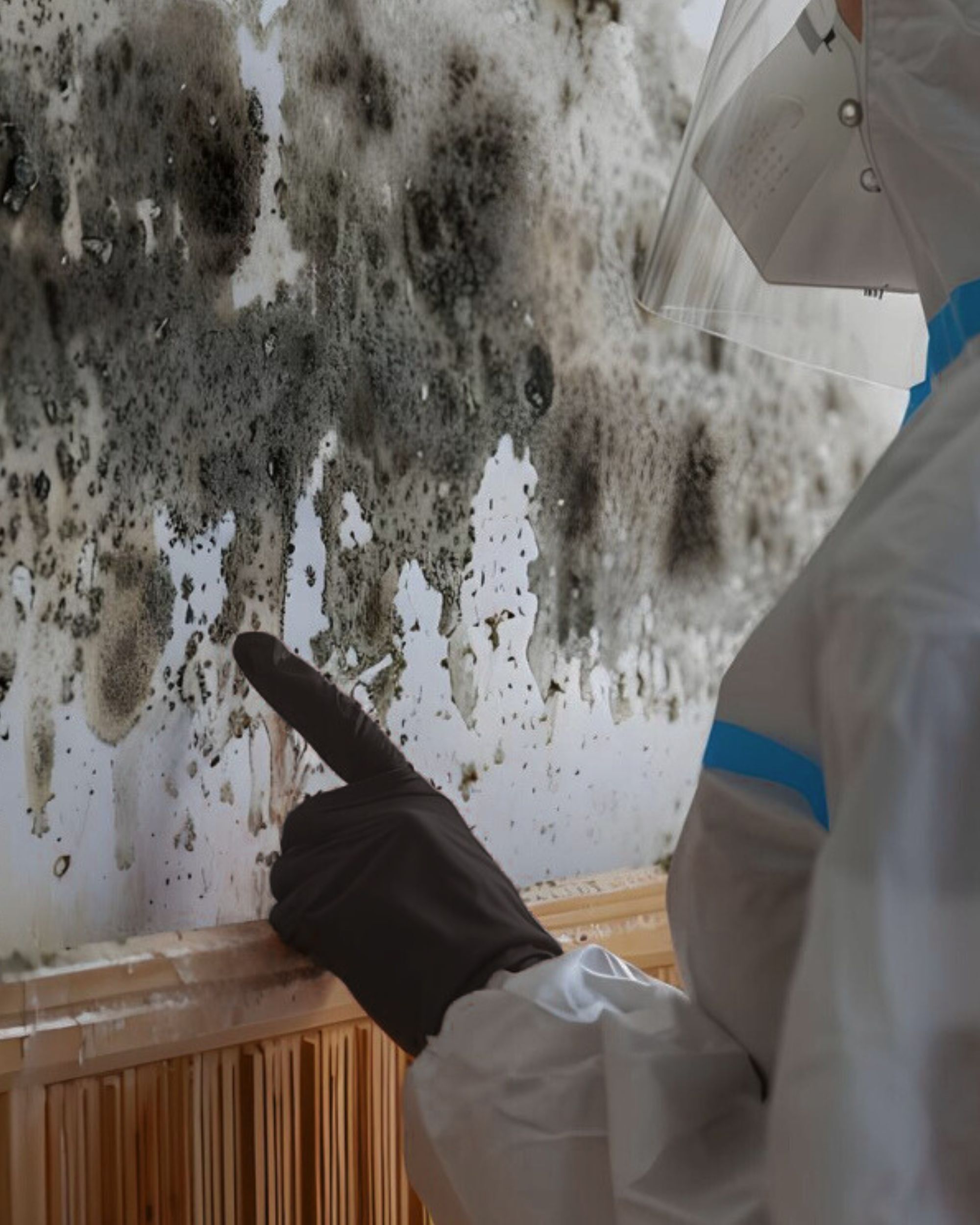
Moisture that remains inside your home can create conditions that support mold growth. Mold can begin developing quickly when wet materials are not dried properly.
This is why water extraction and structural drying should begin as soon as possible. Removing moisture early can help reduce the chance of mold and limit additional damage to the property.
Look for Signs of Continuing Damage
Pay attention to signs that moisture may still be present. Expanding water stains, peeling paint, warped floors, soft drywall, and musty odors can all indicate that water remains in the structure.
If these signs appear after cleanup, a professional moisture inspection can help determine where the remaining water is located.
What Not to Do After Water Damage
Water damage cleanup can be dangerous when handled without the right equipment or precautions. Never use electrical equipment while standing in or near water. Avoid entering areas where floodwater may be contaminated, especially after sewage backups or flooding from outside sources.
You should also avoid removing heavily damaged materials without proper protective equipment and training. Damaged ceilings, floors, and walls may be unstable.
Trying to dry a heavily damaged property with household fans may also leave moisture trapped inside the structure. If water has affected multiple rooms, walls, ceilings, insulation, or other structural materials, professional restoration is usually the safer choice.
When to Call a Water Damage Restoration Professional
Professional help is recommended when water damage is extensive, difficult to locate, or involves contaminated water. Burst pipes, major flooding, sewage backups, roof leaks, and water inside walls or ceilings can require specialized equipment and restoration techniques.
Restoration professionals can assess the affected areas and determine how far the moisture has spread. They can then remove standing water, locate hidden moisture, dry structural materials, and monitor moisture levels throughout the process.
Professional drying equipment can reach areas that household fans cannot. This helps reduce the chance of moisture being left behind and causing additional damage.
Calling a restoration professional quickly can also help prevent a small water problem from becoming a much larger restoration project.
What Happens After the First 24 Hours?
Professional Water Extraction and Structural Drying
After the initial emergency has been addressed, restoration professionals focus on completely drying the affected property. Water extraction removes remaining standing water, while industrial air movers and dehumidifiers help remove moisture from building materials.
Technicians monitor moisture levels during the drying process. This helps confirm that walls, floors, ceilings, insulation, and other affected materials are properly dried before repairs begin.
Mold Prevention and Remediation
If moisture has already resulted in mold growth, additional inspection and professional mold remediation may be needed. Mold-affected materials may require specialized cleaning or removal.
Repairs and Property Restoration
Once the property is dry and safe, restoration work can begin. Depending on the severity of the damage, this may include repairing or replacing drywall, flooring, ceilings, insulation, cabinets, and other affected materials.
How to Prevent Future Water Damage
Preventing water damage starts with regular home maintenance. Inspect plumbing connections, water heaters, washing machine hoses, and other water lines for signs of leaks or wear.
Your roof and gutters should also be inspected regularly. Damaged shingles, clogged gutters, and poor drainage can allow water to enter your home or collect around the foundation.
Leak detection devices can provide an early warning when water is detected in vulnerable areas. Homeowners should also know where the main water shut-off valve is located so they can respond quickly to a plumbing emergency.
Regular maintenance and quick action can help identify small problems before they turn into major water damage.
Conclusion
The first 24 hours after water damage can make a major difference in the outcome of your restoration project. Start with safety, stop the source of the water when possible, document the damage, and remove standing water when it is safe.
Remember that visible water is not the only concern. Hidden moisture can remain inside walls, floors, ceilings, and other materials. Thorough drying is essential to help prevent mold growth, structural damage, and expensive repairs.
If the damage is extensive or involves hidden moisture, contaminated water, or structural materials, professional restoration can provide the equipment and expertise needed to restore your property properly.
If your home or business has experienced water damage, acting quickly can help prevent further problems. Spartan Restoration provides professional water damage restoration, including water extraction, moisture detection, structural drying, and property restoration.
Our team also provides fire damage restoration, storm damage restoration, mold remediation, and sewage cleanup to help restore your property after unexpected emergencies.