
Mold After Water Damage: How Moisture Affects Your Home
Water damage can happen when you least expect it. A burst pipe, roof leak, overflowing appliance, or severe storm can quickly leave your home with standing water and wet building materials. While the visible damage may seem like the biggest concern, the moisture left behind can create another serious problem—mold growth.
Mold thrives in damp environments. Once water soaks into drywall, wood, carpet, or insulation, mold spores that are already present in the air can begin growing. In many cases, mold starts to develop within 24 to 48 hours after water damage if the affected area is not dried properly.
Many homeowners focus on removing standing water but overlook the moisture hidden behind walls, beneath flooring, or inside ceilings. Even if a room looks dry, trapped moisture can continue feeding mold growth for days or weeks.
Ignoring water damage can lead to expensive repairs, poor indoor air quality, unpleasant odors, and health concerns for your family. The sooner moisture is removed, the lower the chance that mold will spread throughout your home.
This guide explains why water damage often leads to mold, how moisture affects different parts of your home, the warning signs to watch for, and how professional restoration helps protect your property.
Why Moisture Causes Mold Growth
Mold is a natural part of the environment. Tiny mold spores float through the air both indoors and outdoors every day. Most of the time these spores do not cause problems because they have nowhere to grow.
When excess moisture enters your home, those spores can settle on wet surfaces and begin growing. That is why controlling moisture is one of the most important steps in preventing mold after water damage.
What Mold Needs to Grow
Mold does not require much to survive. When moisture is available, many common building materials provide everything else mold needs.
Moisture
Moisture is the most important factor.
Without water, mold cannot grow. However, once building materials stay damp for an extended period, mold spores begin feeding on those surfaces.
Water from leaks, flooding, burst pipes, or even high indoor humidity creates the perfect conditions for mold growth.
This is why water damage should always be addressed immediately instead of waiting for materials to dry on their own.
Organic Materials Such as Wood, Drywall, and Carpet
Many materials inside your home contain organic matter that mold can use as food.
Examples include:
- Hardwood flooring
- Wooden framing
- Drywall paper
- Ceiling tiles
- Carpet fibers
- Insulation backing
- Furniture
- Cardboard storage boxes
- Runny nose
- Sneezing
- Watery eyes
- Itchy skin
- Nasal congestion
Once these materials become wet, mold can begin growing both on the surface and inside the material.
In some cases, mold continues spreading even after the visible surface appears dry because moisture remains trapped underneath.
Warm Indoor Temperatures
Most homes provide comfortable temperatures for people—and unfortunately, for mold as well.
Indoor temperatures between 60°F and 80°F are ideal for mold growth.
When warmth combines with moisture and organic materials, mold can spread surprisingly fast.
Keeping indoor humidity low and drying wet materials quickly helps interrupt this process.
How Fast Mold Can Grow After Water Damage
Many homeowners are surprised by how quickly mold develops.
Under the right conditions, mold can begin growing within 24 to 48 hours after water damage.
That means a small leak discovered on Friday could already support mold growth by the weekend if the area remains wet.
The longer moisture stays inside building materials, the greater the chance that mold will spread.
At first, mold may only affect one small section of drywall or flooring.
As time passes, it can spread behind walls, beneath hardwood floors, inside insulation, and even into HVAC systems.
This is one reason professional restoration companies respond quickly after floods and plumbing emergencies.
Rapid water extraction and structural drying greatly reduce the opportunity for mold to develop.
Waiting several days before cleaning up water often increases both restoration time and repair costs.
Common Sources of Excess Moisture
Water damage comes from many different sources.
Some events happen suddenly, while others develop slowly over time.
Knowing where moisture comes from helps homeowners recognize problems before mold has a chance to spread.
Burst Pipes
Burst pipes are one of the leading causes of indoor water damage.
Freezing temperatures, aging plumbing, corrosion, or excessive water pressure can all cause pipes to fail.
When a pipe bursts, large amounts of water can spread through walls, ceilings, and floors within minutes.
Even after visible water is removed, moisture often remains hidden inside building materials.
Professional drying equipment helps remove moisture that cannot be seen.
Roof Leaks
A damaged roof allows rainwater to enter your home.
Leaks may begin around missing shingles, damaged flashing, chimneys, or roof vents.
Because water usually travels before becoming visible, homeowners may not notice the leak until water stains appear on ceilings or walls.
By that point, insulation, drywall, and wood framing may already be wet.
If left untreated, mold can begin growing inside attic spaces and ceiling cavities.
Flooding
Flooding introduces large amounts of water into a home very quickly.
Heavy rain, hurricanes, overflowing rivers, sewer backups, and storm surges can all cause flooding.
Floodwater often affects flooring, drywall, furniture, insulation, and personal belongings.
Even shallow flooding can leave moisture trapped beneath flooring and inside walls.
Without thorough drying, mold growth becomes much more likely.
Appliance Leaks
Many household appliances use water every day.
Washing machines, dishwashers, refrigerators with ice makers, and water heaters can all develop slow leaks.
Because these appliances are often placed against walls or inside cabinets, leaks may remain hidden for weeks.
Homeowners sometimes discover mold only after moving the appliance during cleaning or replacement.
Regularly checking water supply lines helps reduce this risk.
High Indoor Humidity
Water damage is not always caused by leaks or flooding.
Excess humidity can also create enough moisture for mold growth.
Bathrooms, kitchens, laundry rooms, and basements naturally produce more humidity than other parts of the home.
Without proper ventilation, moisture collects on walls, ceilings, windows, and other surfaces.
Over time, this constant dampness encourages mold to grow.
Using exhaust fans, improving airflow, and running dehumidifiers can help control indoor humidity.
How Water Damage Affects Your Home
Water does more than leave behind wet surfaces.
As moisture spreads through building materials, it weakens structures, damages finishes, and creates ideal conditions for mold.
Some damage is easy to see, while other problems remain hidden until repairs become much more expensive.
Understanding how water affects different parts of your home can help you respond quickly after a leak or flood.
Damage to Walls and Drywall
Drywall absorbs water like a sponge.
When moisture enters drywall, it quickly spreads throughout the material.
Moisture Trapped Behind Walls
Even after the surface appears dry, moisture may remain trapped inside wall cavities.
This hidden moisture creates the perfect environment for mold growth because it is dark, warm, and difficult to ventilate.
Professional moisture meters and thermal imaging cameras help locate water behind walls without unnecessary demolition.
Soft Drywall
Wet drywall gradually loses its strength.
You may notice soft spots, sagging sections, or walls that feel damp when touched.
If moisture remains too long, drywall often needs to be removed and replaced.
Peeling Paint
Water trapped inside walls pushes outward against paint and wallpaper.
As a result, paint may bubble, crack, or peel away from the wall.
Although repainting may hide the damage temporarily, the underlying moisture problem must be corrected to prevent mold from returning.
Damage to Hardwood Floors
Hardwood flooring is especially vulnerable to water damage.
Wood naturally absorbs moisture.
As water enters the flooring, the boards begin changing shape.
Warping
Warped flooring develops uneven surfaces because some boards absorb more moisture than others.
Warping may become noticeable only a few days after water damage occurs.
Buckling
Buckling happens when hardwood flooring lifts away from the subfloor.
This usually indicates significant moisture beneath the floorboards.
Buckled floors often require professional drying before repairs can begin.
Hidden Moisture Beneath Flooring
One of the biggest challenges with hardwood flooring is that moisture often remains underneath the visible surface.
Even if the top of the floor feels dry, water trapped below can continue feeding mold growth.
Professional drying equipment removes moisture from both the flooring and the subfloor to reduce long-term damage.
Damage to Carpets and Padding
Carpet can absorb a large amount of water in a short time. While the surface may dry quickly, the padding underneath often stays wet much longer.
Water Absorption
Carpet fibers and padding act like a sponge. They soak up water from floods, burst pipes, and appliance leaks. If the water is not removed quickly, moisture can spread into the subfloor below.
Professional water extraction removes much more water than standard household equipment. This helps reduce drying time and lowers the risk of mold.
Odors
A damp carpet often develops a musty smell after only a day or two. These odors happen because bacteria and mold begin growing in the wet materials.
Cleaning the carpet alone may remove the smell for a short time, but the odor usually returns if moisture remains underneath.
Mold Beneath Carpet
One of the biggest concerns is mold growing below the carpet where it cannot be seen.
The carpet surface may look clean while mold spreads underneath the padding. This hidden growth can continue for weeks if the area is not dried properly.
Damage to Ceilings and Insulation
Water entering through the roof or leaking from pipes above can damage ceilings and insulation.
Because these areas are often out of sight, moisture may remain unnoticed until visible damage appears.
Water Stains
Brown or yellow stains on the ceiling often indicate a leak above.
These stains may continue growing if the water source is not repaired.
Even a small stain can signal hidden moisture inside the ceiling.
Sagging Ceilings
Wet drywall becomes heavy as it absorbs water.
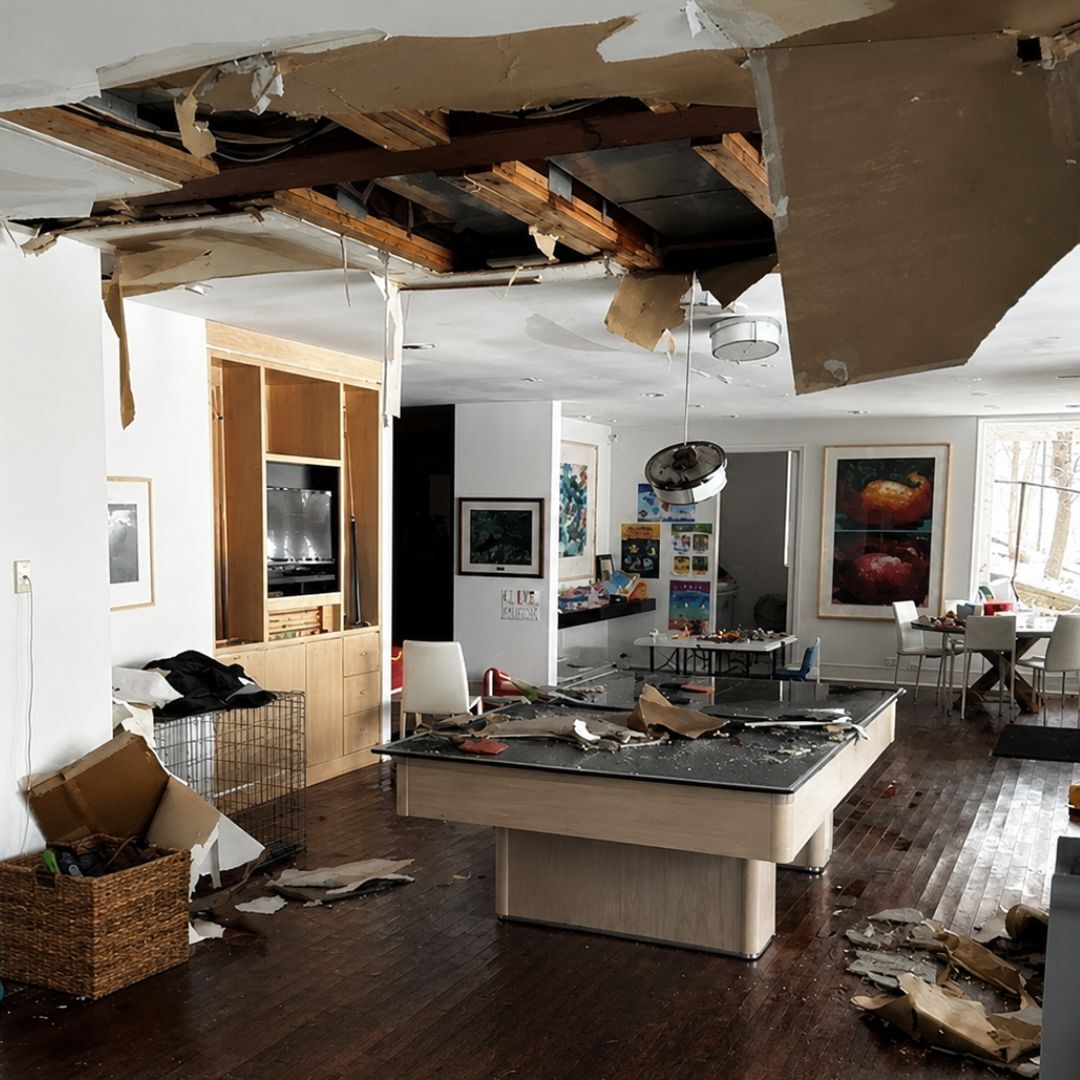
Over time, ceilings may begin to sag or bulge.
In severe cases, sections of the ceiling can collapse if the water damage is ignored.
Wet Insulation Reducing Efficiency
Insulation loses much of its ability to control indoor temperature after it becomes wet.
Instead of trapping air, soaked insulation holds moisture that encourages mold growth.
Damaged insulation often needs to be replaced after significant water damage.
Warning Signs of Mold After Water Damage
Mold is not always easy to see.
In many cases, it begins growing behind walls, beneath flooring, or inside ceilings before becoming visible.
Fortunately, your home usually provides warning signs that mold may be present.
Musty Odors
One of the earliest signs of mold is a musty or earthy smell.
Persistent Earthy Smell
If your home continues to smell damp even after cleaning, mold may be growing somewhere out of sight.
The odor often becomes stronger in rooms that have experienced water damage.
Stronger Odor During Humid Weather
High humidity can make mold odors more noticeable.
Many homeowners report that the smell becomes stronger during rainy days or throughout the summer.
This often indicates hidden moisture that still needs attention.
Visible Mold Growth
Sometimes mold becomes visible after water damage.
Although mold comes in different colors, its appearance usually means moisture has been present for some time.
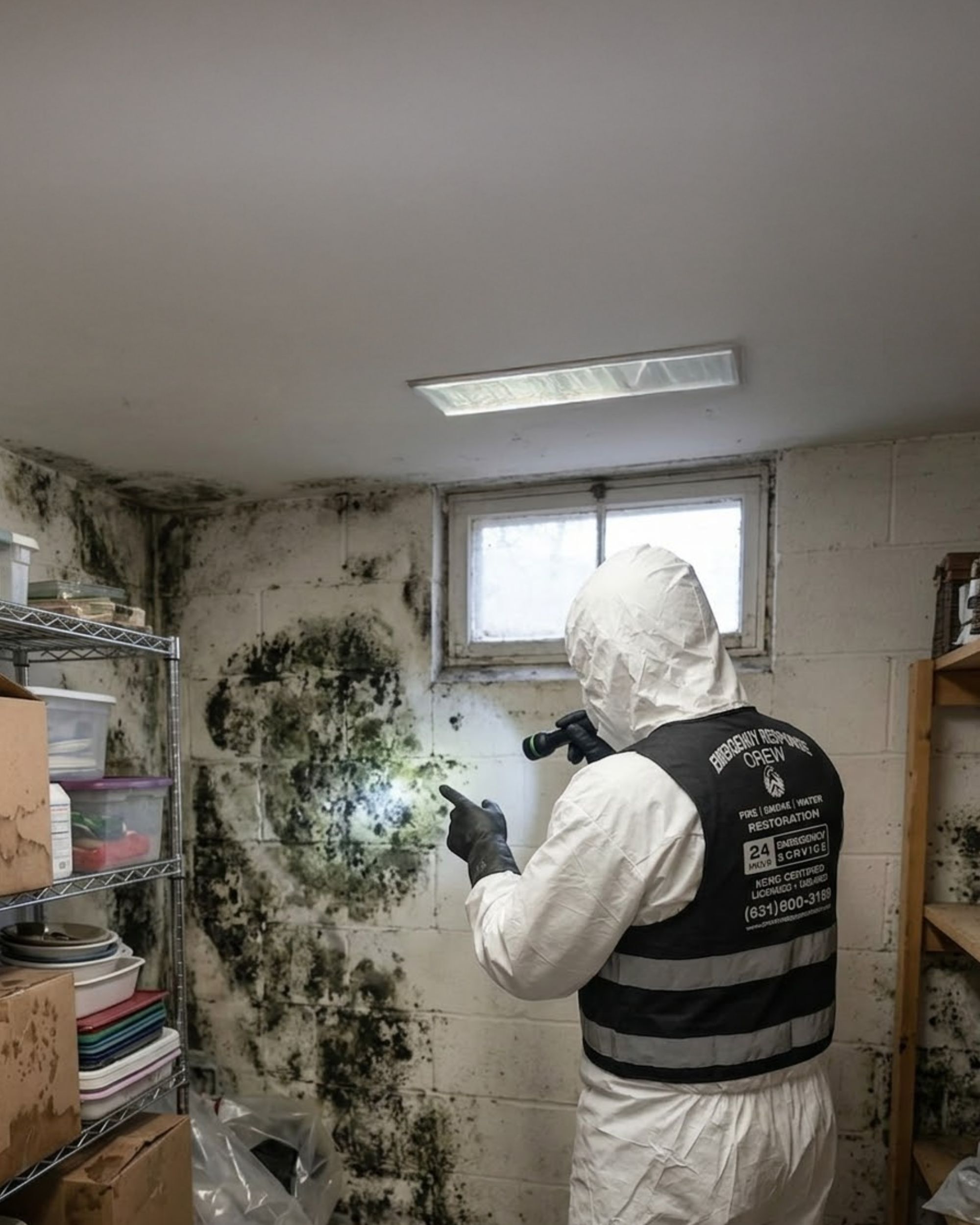
Black, Green, White, or Gray Spots
Mold may appear as small spots or larger patches on walls, ceilings, baseboards, flooring, or around windows.
Its color varies depending on the type of mold and the surface where it grows.
Mold Around Walls, Floors, and Ceilings
Pay close attention to areas that recently experienced water damage.
Bathrooms, laundry rooms, basements, kitchens, and rooms affected by plumbing leaks are common places where mold develops.
Any visible mold should be inspected promptly before it spreads.
Water Stains and Discoloration
Water damage often leaves visible marks before mold appears.
Brown or Yellow Stains
Discolored walls and ceilings usually indicate ongoing moisture.
These stains should never be ignored because they often point to hidden leaks.
Bubbling Paint
Paint that bubbles or blisters usually means moisture is trapped behind the wall surface.
Even if the paint dries later, mold may already be growing inside the wall cavity.
Peeling Wallpaper
Wallpaper loosens when moisture weakens the adhesive behind it.
If wallpaper begins peeling without an obvious cause, hidden water damage may be present.
Allergy or Respiratory Symptoms
Sometimes your body notices mold before your eyes do.
Sneezing
People living in mold-contaminated homes often experience frequent sneezing, especially indoors.
Coughing
Persistent coughing without another clear cause may be linked to poor indoor air quality caused by mold.
Eye Irritation
Mold spores can irritate the eyes, causing redness, itching, or watery eyes.
Asthma Flare-Ups
People with asthma or allergies may notice that symptoms become worse after water damage.
Children, older adults, and individuals with weakened immune systems are often more sensitive to mold exposure.
Health Risks of Mold Exposure
Mold affects homes differently depending on how much has grown and how long it has been present.
While some people experience few symptoms, others may develop more serious reactions.
Removing excess moisture quickly helps reduce these risks.
Poor Indoor Air Quality
As mold grows, it releases tiny spores into the air.
These spores circulate through your home and reduce indoor air quality.
Even if mold is hidden behind walls, airborne spores may spread throughout nearby rooms.
Poor indoor air quality can make your home less comfortable and contribute to ongoing allergy symptoms.
Allergic Reactions
Many people are sensitive to mold spores.
Common allergic reactions include:
Symptoms often improve after leaving the affected area.
Respiratory Problems
People with asthma or chronic lung conditions may experience more severe reactions.
Breathing mold-contaminated air can trigger asthma attacks, coughing, wheezing, or shortness of breath.
Young children, older adults, and individuals with weakened immune systems may be at greater risk.
Because mold affects everyone differently, it is important to address water damage before mold has an opportunity to spread.
Why Fast Water Damage Cleanup Matters
Cleaning up water quickly is one of the best ways to prevent mold growth.
Professional restoration companies focus on removing both visible water and hidden moisture before mold develops.
Prevents Mold Growth
Quick Water Extraction
Removing standing water immediately reduces the amount of moisture available for mold growth.
Professional extractors remove much more water than household vacuums or mops.
Thorough Drying
After extraction, air movers and commercial dehumidifiers dry building materials thoroughly.
This process helps remove hidden moisture from walls, floors, and structural materials.
Reduces Structural Damage
Protects Wood and Drywall
Drying building materials quickly helps preserve their strength.
Wood is less likely to warp, while drywall is less likely to soften or collapse.
Prevents Long-Term Deterioration
The longer moisture remains inside your home, the more damage it causes.
Early drying reduces the need for extensive repairs later.
Saves Time and Repair Costs
Smaller Restoration Projects
When water damage is addressed immediately, fewer materials need replacement.
This often shortens the restoration process.
Less Material Replacement
Drying materials before mold develops allows many building components to be saved instead of replaced.
That can significantly reduce repair costs while helping homeowners return to normal more quickly.
How Professionals Remove Moisture and Prevent Mold
After water damage, removing standing water is only the first step. Moisture can remain hidden inside walls, under floors, and in other building materials long after surfaces appear dry. Professional restoration companies use specialized equipment and proven methods to find hidden moisture, dry the affected areas, and help prevent mold growth.
Moisture Inspection
The first step in any restoration project is to identify where moisture is hiding. Professionals use advanced tools to inspect your home without causing unnecessary damage.
Moisture Meters
Moisture meters measure the amount of water inside materials such as drywall, wood, and concrete.
These tools help restoration professionals determine which areas are still wet, even if the surface looks dry. Moisture readings also help track the drying process to ensure the affected materials have returned to safe moisture levels.
Thermal Imaging Cameras
Thermal imaging cameras help locate hidden moisture behind walls, ceilings, and floors.
Instead of opening large sections of drywall, restoration professionals can use infrared technology to identify cooler areas that may contain trapped moisture. This allows them to focus on the damaged areas while reducing unnecessary demolition.
Water Extraction and Drying
Once the inspection is complete, professionals begin removing water and drying the property.
Industrial Water Extractors
Industrial water extractors remove standing water much faster than household equipment.
Whether the water comes from a burst pipe, flooding, or an overflowing appliance, powerful extraction equipment removes large amounts of water quickly. Fast extraction reduces the amount of moisture that soaks into floors, walls, and furniture.
Air Movers
Air movers are high-powered fans that increase airflow across wet surfaces.
By moving large volumes of air, they speed up evaporation and help dry floors, walls, and structural materials more efficiently.
Proper placement of air movers is important because every property dries differently.
Commercial Dehumidifiers
As water evaporates, it increases the humidity inside the home.
Commercial dehumidifiers remove excess moisture from the air, allowing wet materials to dry faster.
Together, air movers and dehumidifiers create a controlled drying environment that helps prevent secondary damage and mold growth.
Mold Prevention and Remediation
If mold has already started growing, professional remediation may be necessary.
Removing Contaminated Materials When Necessary
Some materials can be cleaned and dried successfully. Others may be too heavily damaged and need to be removed.
Drywall, insulation, carpet padding, and other porous materials may require replacement if mold has spread throughout them.
Removing contaminated materials helps stop mold from continuing to grow.
HEPA Air Filtration
During mold remediation, HEPA air scrubbers capture mold spores and other airborne particles.
This improves indoor air quality and helps prevent spores from spreading to unaffected areas of the home.
HEPA filtration is especially important during larger mold removal projects.
Safe Mold Remediation Procedures
Professional mold remediation includes more than simply cleaning visible mold.
The affected area is carefully contained, damaged materials are removed when necessary, remaining surfaces are cleaned, and the moisture source is corrected.
Without eliminating the moisture problem, mold is likely to return.
Tips to Prevent Mold After Water Damage
Although not every water damage event can be prevented, homeowners can reduce the risk of mold by acting quickly and controlling moisture inside the home.
Dry Wet Areas Immediately
The sooner wet materials are dried, the less likely mold is to develop.
Remove Standing Water
Standing water should be removed as soon as it is safe to do so.
Even a small amount of water left behind can soak into flooring and drywall.
Dry Within 24 to 48 Hours
Most mold begins growing within 24 to 48 hours after water damage.
Using fans, dehumidifiers, and professional drying equipment helps remove moisture before mold has a chance to spread.
Fix Water Leaks Quickly
Stopping the source of moisture is just as important as drying the affected area.
Plumbing Leaks
Repair leaking pipes, faucets, and fixtures as soon as possible.
Even slow leaks can keep building materials damp long enough for mold to grow.
Roof Leaks
Inspect your roof after storms and repair damaged shingles or flashing promptly.
Preventing rainwater from entering your home reduces the risk of hidden moisture.
Appliance Leaks
Regularly inspect washing machines, dishwashers, refrigerators, and water heaters for signs of leaks.
Replacing worn hoses and fittings before they fail can help prevent unexpected water damage.
Control Indoor Humidity
Managing indoor humidity is one of the most effective ways to prevent mold growth.
Keep Humidity Below 60%
Experts generally recommend keeping indoor humidity below 60%, with 30% to 50% being ideal for most homes.
Lower humidity makes it more difficult for mold to grow.
Use Dehumidifiers
Dehumidifiers remove excess moisture from the air, especially in basements, crawl spaces, and other damp areas.
Running a dehumidifier during humid weather can help protect your home year-round.
Improve Ventilation
Good airflow helps moisture evaporate more quickly.
Use exhaust fans in bathrooms and kitchens, open windows when weather allows, and make sure attic and crawl space ventilation is working properly.
Schedule Professional Inspections
Some moisture problems are difficult to detect without specialized equipment.
After Flooding
Even after floodwater is removed, hidden moisture may remain inside walls and beneath flooring.
A professional inspection helps ensure your home is completely dry.
After Burst Pipes
Burst pipes often send water into areas that cannot be seen.
Moisture inspections help identify hidden damage before mold develops.
After Major Leaks
Large plumbing leaks, roof leaks, or appliance failures should always be followed by a professional assessment.
Early detection reduces restoration costs and helps prevent future mold problems.
Conclusion
Water damage can affect much more than the surfaces you see. Moisture trapped inside walls, beneath flooring, inside ceilings, and around insulation creates the perfect conditions for mold growth.
Mold can begin developing within 24 to 48 hours, making fast action one of the most important steps after any water damage event.
Watch for warning signs such as musty odors, water stains, peeling paint, warped flooring, visible mold, or increased allergy symptoms. These signs often indicate hidden moisture that needs professional attention.
Removing standing water, drying affected materials thoroughly, fixing leaks, and controlling indoor humidity all help reduce the risk of mold. Professional restoration companies use advanced equipment to locate hidden moisture, dry your home completely, and restore damaged areas safely.
Taking action early protects your property, improves indoor air quality, and helps prevent more expensive repairs in the future.
If your home has experienced water damage, don't wait for mold to become a bigger problem. Moisture left behind can lead to mold growth in as little as 24 to 48 hours, increasing the risk of property damage and poor indoor air quality.
Spartan Restoration provides professional mold remediation, water damage restoration, fire damage restoration, storm damage restoration, and sewage cleanup services. Our experienced team uses advanced moisture detection equipment, industrial drying systems, and proven restoration methods to remove hidden moisture, safely eliminate mold, and restore your property.