

How to Spot Hidden Water Damage Before It Gets Worse
Hidden water damage is one of the most common problems homeowners face, but it is also one of the easiest to miss. Unlike a burst pipe or a flooded basement, hidden water damage often develops slowly behind walls, under floors, above ceilings, or inside crawl spaces. Because it cannot always be seen right away, it may continue spreading for weeks or even months before anyone notices there is a problem.
Even a small leak can cause serious damage over time. Moisture trapped inside your home's building materials can weaken drywall, damage wood framing, ruin insulation, and create the perfect conditions for mold growth. By the time water stains, peeling paint, or musty odors appear, the damage may already be much more extensive than it seems.
Many homeowners assume that if they cannot see standing water, everything is fine. Unfortunately, hidden moisture often travels through ceilings, walls, and flooring before becoming visible. Water can also collect in places that are difficult to inspect without professional equipment. This is why early detection is so important.
Learning how to recognize the warning signs of hidden water damage can help you prevent expensive repairs, protect your home's structure, and reduce the risk of mold growth. In this guide, you'll learn where hidden water damage occurs, what causes it, and how to identify problems before they become major restoration projects.
What Is Hidden Water Damage?
Hidden water damage happens when moisture enters your home but remains out of sight. Instead of pooling on the floor where it can be cleaned up immediately, the water becomes trapped inside walls, ceilings, floors, insulation, or other building materials.
Because it develops behind finished surfaces, homeowners often do not realize there is a problem until visible damage begins to appear. By then, moisture may have already spread throughout several areas of the home.
Why Water Damage Isn't Always Visible
Water does not always stay where the leak begins. It naturally follows the path of least resistance, allowing it to move through your home's structure before becoming visible.
For example, a small roof leak may allow rainwater into the attic. Instead of dripping directly onto the ceiling below, the water can travel along wooden beams before soaking into insulation and drywall several feet away. Likewise, a leaking pipe inside a wall may slowly saturate insulation and wood framing long before you notice any stains on the surface.
Gravity also allows water to move downward through different levels of the home. A leak from a second-floor bathroom can eventually damage the ceiling, walls, and flooring on the level below.
Because water travels in unexpected ways, the visible damage is not always located directly beneath the source of the leak.
Where Hidden Water Damage Commonly Occurs
Hidden water damage can develop almost anywhere moisture is able to collect.
One of the most common places is inside walls where plumbing pipes are located. Small leaks from supply lines or drain pipes may continue unnoticed for months because they remain hidden behind drywall.
Ceilings are another common location. Roof leaks, overflowing bathrooms, and leaking plumbing fixtures often allow moisture to collect above ceilings before stains appear.
Floors can also hide water damage. Hardwood flooring, laminate flooring, and carpeting may trap moisture underneath the surface. Even if the floor looks dry, water may still be affecting the subfloor below.
Areas around household appliances should also be inspected regularly. Washing machines, dishwashers, refrigerators with water lines, and water heaters can all develop slow leaks that spread beneath flooring before becoming visible.
Basements, crawl spaces, and attics are especially vulnerable because they often have limited airflow and are inspected less frequently. Moisture can remain in these areas for long periods, increasing the risk of mold growth and structural damage.
Why Early Detection Matters
Finding hidden water damage early can make a significant difference in the amount of damage your home experiences.
The longer moisture remains inside building materials, the more damage it causes. Drywall weakens, wood begins to warp, insulation loses its effectiveness, and flooring may start to buckle.
Moisture also creates ideal conditions for mold growth. Mold can begin developing within 24 to 48 hours after water exposure if the affected area is not dried properly. Once mold begins spreading, cleanup becomes more complex and expensive.
Early detection also helps reduce repair costs. Fixing a small plumbing leak is much less expensive than replacing damaged drywall, flooring, insulation, and wood framing after months of water exposure.
Most importantly, finding hidden moisture early helps protect your family's health and preserves the value of your home.
Common Causes of Hidden Water Damage
Hidden water damage can have many different causes. Some develop suddenly after storms or burst pipes, while others happen slowly over time.
Understanding the most common sources of hidden moisture makes it easier to recognize problems before they become serious.
Plumbing Leaks
Leaking plumbing is one of the leading causes of hidden water damage.
Water supply lines, drain pipes, pipe fittings, and water heaters can all develop leaks as they age. In many cases, these leaks release only a small amount of water each day. Because the water remains hidden inside walls or beneath floors, homeowners may not notice anything unusual until visible damage appears.
Bathrooms and kitchens are especially common locations for plumbing leaks because they contain multiple water lines and fixtures. Laundry rooms can also develop hidden leaks from washing machine hoses or drain connections.
Even a slow drip can soak insulation, drywall, and wood framing over time. If left untreated, the moisture may eventually cause mold growth, wood rot, and significant structural damage.
Regular plumbing inspections can help identify small leaks before they become major restoration projects.
Roof Leaks
Your roof protects your home from rain, snow, and other weather conditions. However, damage to roofing materials can allow water to enter your home without being immediately noticed.
Missing shingles, cracked flashing, damaged roof vents, and worn sealants are common causes of roof leaks.
Once rainwater enters the attic, it may travel along rafters before soaking into insulation and ceilings below. Because the water often moves away from the original leak, finding the true source can be difficult without a thorough inspection.
Storm damage can also create new openings that allow moisture into your home. High winds, hail, and fallen tree branches may damage roofing materials even if the problem is not visible from the ground.
Regular roof maintenance helps reduce the risk of hidden leaks developing after severe weather.
Appliance Leaks
Many household appliances use water every day, making them another common source of hidden water damage.
Washing machines, dishwashers, refrigerators with ice makers, water heaters, and HVAC systems all contain water supply lines that can wear out over time.
A loose connection or cracked hose may leak slowly behind or beneath the appliance. Since these areas are not always visible, water can spread underneath cabinets, flooring, or nearby walls before anyone notices.
Water heaters may also develop leaks as they age. A small amount of leaking water around the base of the unit can eventually damage nearby flooring and walls if not repaired promptly.
Checking appliances regularly and replacing worn hoses according to the manufacturer's recommendations can help prevent unexpected water damage.
Poor Drainage and Foundation Problems
Not all hidden water damage starts inside the home.
Poor drainage around the outside of your property can allow water to collect near the foundation. Over time, this moisture may seep through foundation walls or enter crawl spaces and basements.
Clogged gutters can also cause rainwater to overflow and pool around the home's foundation instead of draining safely away.
Cracks in foundation walls or poorly graded landscaping may allow groundwater to enter the home during heavy rain.
Once moisture enters these lower areas, it can spread into walls, flooring, insulation, and wooden framing without being noticed right away.
Keeping gutters clean, directing downspouts away from the home, and maintaining proper drainage around the foundation are simple ways to reduce the risk of hidden water damage.
Warning Signs of Hidden Water Damage
Hidden water damage often gives small clues before it becomes a major problem. Learning to recognize these warning signs can help you stop the damage early and avoid expensive repairs. While some signs are easy to see, others are more subtle and may only become noticeable over time.
Watch for Changes in Walls, Ceilings, and Floors
One of the first signs of hidden water damage is discoloration on walls or ceilings. Water stains are usually yellow, brown, or copper-colored and often grow larger as more moisture enters the area. Even a small stain should not be ignored because it may indicate an active leak behind the surface.
Paint and wallpaper can also show signs of hidden moisture. When water becomes trapped behind drywall, the paint may begin to bubble, peel, or crack. Wallpaper may loosen around the edges or separate from the wall. These changes happen because moisture weakens the bond between the surface and the wall underneath.
Floors can also reveal hidden problems. Hardwood flooring may begin to warp, cup, or buckle as it absorbs moisture. Laminate flooring can swell at the seams, while vinyl flooring may start lifting around the edges. Carpet may feel damp even though there has been no recent spill. In some cases, you may notice soft or uneven areas when walking across the floor.
Ceilings deserve special attention because water often travels downward from roof leaks or plumbing problems on upper floors. A sagging ceiling, soft drywall, or dripping water may indicate that moisture has been collecting above the ceiling for some time. If a ceiling begins to bulge, it should be treated as a safety concern because it could collapse if enough water has accumulated.
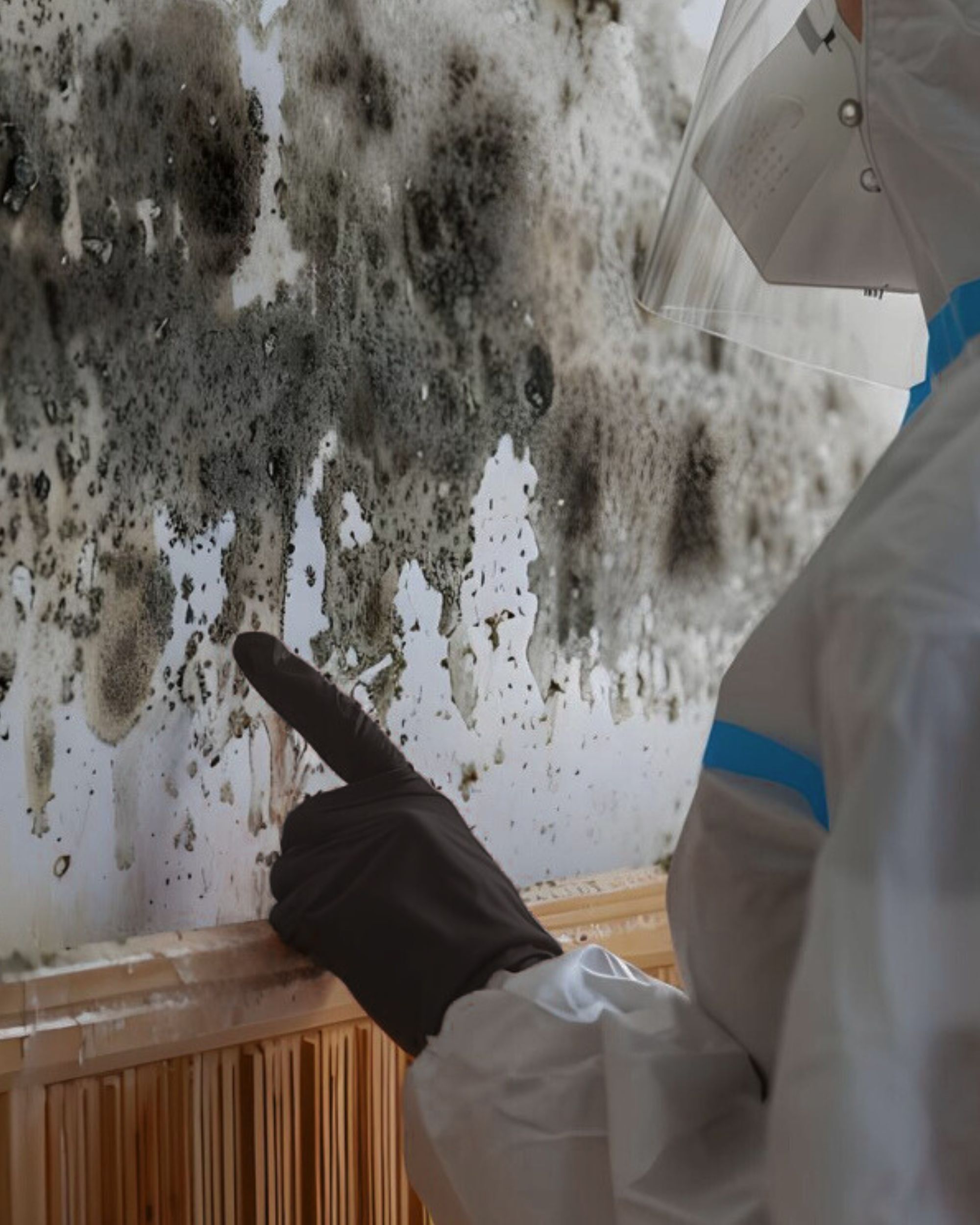
Another common sign is mold or mildew growing in places that should normally stay dry. You may notice black, green, white, or gray spots around baseboards, window frames, ceilings, or corners of walls. Mold often appears because hidden moisture has remained in the area for an extended period.
A musty or earthy smell is another warning sign that should never be ignored. Even if you cannot see mold, a persistent odor often means moisture is trapped behind walls, under flooring, or inside insulation. These odors may become stronger after heavy rain or during humid weather.
Your monthly water bill can also provide valuable clues. If your water usage has not changed but your bill continues to increase, there may be a hidden plumbing leak somewhere inside your home. Even a slow drip can waste hundreds of gallons of water over time while damaging nearby building materials.
Areas of the Home You Should Inspect Regularly
Many water problems start in areas that homeowners rarely inspect. Making it a habit to check these locations can help you find leaks before they cause significant damage.
Bathrooms are one of the most common places for hidden water damage because they contain multiple plumbing fixtures that are used every day. Look around sinks, toilets, bathtubs, and showers for signs of moisture. Check inside cabinets for damp wood, loose pipe connections, or water stains. Pay attention to grout and caulking because damaged seals can allow water to seep behind walls.
The kitchen is another area where hidden leaks often develop. Inspect beneath the sink for dripping pipes or water stains. Look behind the dishwasher and refrigerator for moisture around water supply lines. Garbage disposals can also develop leaks that slowly damage cabinets and flooring before becoming obvious.
Laundry rooms should also be inspected regularly. Washing machine hoses can wear out or crack over time, causing slow leaks behind the appliance. Drain hoses and water supply connections should be checked for signs of corrosion, loose fittings, or moisture. Replacing old hoses before they fail can prevent major water damage.
Attics are often overlooked because homeowners rarely enter them. However, they are one of the best places to identify roof leaks early. Look for damp insulation, water stains on wood framing, mold growth, or sunlight coming through the roof. These signs may indicate damaged shingles, flashing, or roof vents that need repair.
Basements and crawl spaces are especially vulnerable because they are naturally cooler and often have higher humidity levels. Moisture may enter through foundation cracks, poor drainage, or plumbing leaks. Watch for damp walls, standing water, musty odors, mold, or white mineral deposits on concrete surfaces. These are all signs that moisture is entering the area.
It is also important to inspect around your water heater, HVAC system, and utility room. Condensation or small leaks from these systems can cause water damage if they are not repaired quickly.
Regular inspections only take a few minutes but can save thousands of dollars in future repair costs.
How to Check for Hidden Water Damage
Finding hidden water damage does not always require specialized equipment. Many problems can be discovered during routine inspections if you know what to look for. However, professional tools can help locate moisture that is completely hidden from view.
Start with a Careful Visual Inspection
Begin by walking through your home and looking closely at walls, ceilings, floors, and baseboards. Pay attention to anything that looks different than before. New stains, peeling paint, warped flooring, or mold growth should all be investigated.
Open cabinets beneath sinks and inspect the plumbing. Feel around pipes for moisture and check for water stains inside the cabinet. Look behind appliances whenever possible and inspect water supply lines for signs of leaks or corrosion.
Check windows and doors for water stains or damaged trim. Poor seals can allow rainwater to enter your home without being immediately noticed.
If you have access to your attic or crawl space, inspect these areas for damp insulation, wet wood, mold growth, or standing water. These spaces often reveal problems before they become visible inside your living areas.
Humidity can also provide important clues. If parts of your home constantly feel damp or humid even when the air conditioner is running, hidden moisture may be trapped inside walls or ceilings. Condensation on windows can also indicate excess indoor moisture that should be addressed.
Another helpful step is to monitor changes over time. Take photos of any suspicious stains and compare them after a few weeks. If the stain becomes larger, darker, or begins to spread, there is likely an active leak that needs immediate attention.
While homeowners can identify many warning signs themselves, some leaks remain completely hidden. Professional restoration companies use moisture meters to measure moisture inside building materials without causing unnecessary damage. Thermal imaging cameras can also detect temperature differences that reveal hidden moisture behind walls, ceilings, and floors. These tools allow technicians to locate water quickly and accurately without opening large sections of your home.
Professional moisture inspections are especially valuable after roof leaks, plumbing failures, flooding, or storms. Even if visible water has been cleaned up, hidden moisture can remain inside walls or under flooring. Finding these wet areas early helps prevent mold growth and reduces the amount of restoration work needed later.
What Happens If Hidden Water Damage Is Ignored?
Hidden water damage does not go away on its own. As long as moisture remains inside your home, it will continue to spread through building materials and cause more damage. What starts as a small leak behind a wall or beneath the floor can eventually become a major restoration project.
One of the biggest concerns is mold growth. Mold thrives in damp environments and only needs moisture, organic materials, and the right temperature to grow. Drywall, wood, insulation, and carpeting all provide food sources for mold. In many cases, mold can begin growing within 24 to 48 hours after water exposure if the area is not dried properly.
As mold spreads, it releases tiny spores into the air. These spores can lower indoor air quality and may cause sneezing, coughing, itchy eyes, skin irritation, or worsen asthma symptoms. Young children, older adults, and people with weakened immune systems are often more sensitive to mold exposure.
Hidden moisture also weakens your home's structure. Drywall may soften and crumble, wooden framing can begin to rot, and flooring may warp or separate. Ceilings that continue to absorb water may sag or even collapse if the problem is left untreated. The longer moisture remains, the more extensive the repairs are likely to be.
Water can also create electrical hazards. If moisture reaches electrical wiring, outlets, ceiling lights, or appliances, it increases the risk of short circuits and electrical fires. Never touch wet electrical equipment or attempt repairs yourself if you suspect water has reached electrical components.
Ignoring hidden water damage almost always results in higher repair costs. A small plumbing repair may only cost a fraction of what is required to replace drywall, insulation, flooring, cabinets, and structural materials after months of hidden moisture. Taking action early helps protect your home and saves money over time.
How Professional Water Damage Restoration Helps
Professional water damage restoration goes far beyond cleaning up visible water. Restoration specialists are trained to locate hidden moisture, dry affected materials, and restore your property before additional damage occurs.
The process usually begins with a detailed inspection. Restoration professionals use moisture meters to measure moisture levels inside drywall, wood, and flooring. Thermal imaging cameras help locate hidden water behind walls, ceilings, and floors without causing unnecessary damage. These tools allow technicians to identify moisture that homeowners cannot see.
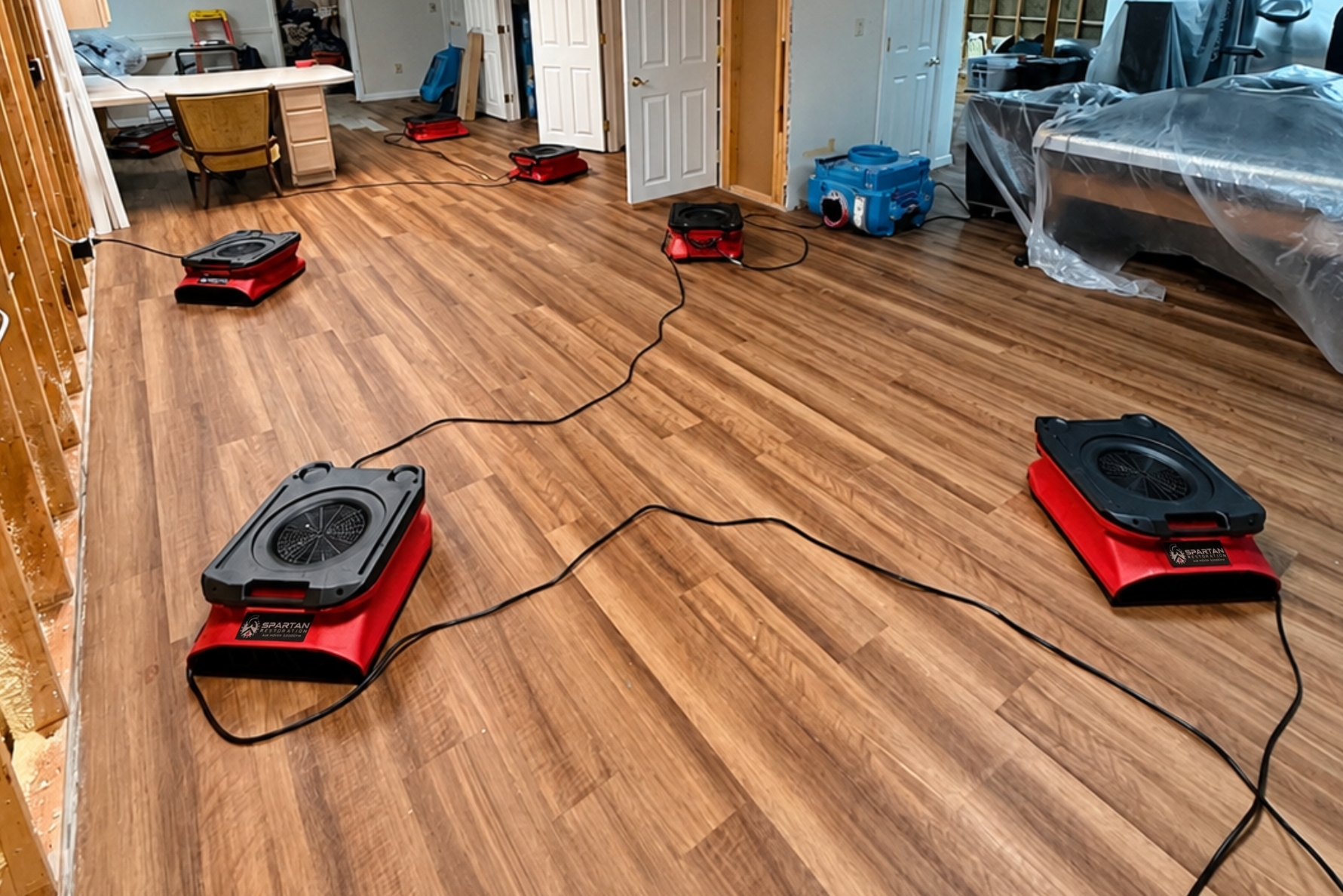
Once the inspection is complete, standing water is removed using commercial-grade extraction equipment. After extraction, industrial air movers and commercial dehumidifiers work together to remove moisture from the structure. This controlled drying process helps prevent mold growth while protecting drywall, insulation, flooring, and framing from additional damage.
If mold has already developed, professional mold remediation may be necessary. Restoration teams isolate the affected area to keep mold spores from spreading throughout the property. HEPA air scrubbers help clean the air while contaminated materials are safely removed when needed. After the moisture source has been repaired, the affected area is cleaned and restored using industry-approved methods.
Once the property is dry and safe, repairs can begin. Depending on the extent of the damage, restoration may include replacing drywall, insulation, flooring, ceilings, trim, cabinets, or other building materials. The goal is to return your home to its pre-loss condition while preventing future moisture problems.
Working with an experienced restoration company also provides peace of mind. You can be confident that hidden moisture has been properly located, the structure has been thoroughly dried, and your home is safe for your family.
Tips to Prevent Hidden Water Damage
Although hidden water damage cannot always be prevented, regular maintenance can greatly reduce the risk.
Inspect your plumbing system several times a year. Check under sinks, around toilets, and behind appliances for signs of dripping water, corrosion, or loose fittings. Replacing worn hoses and damaged plumbing parts before they fail can prevent unexpected leaks.
Your roof should also be inspected regularly, especially after heavy rain, strong winds, or hailstorms. Missing shingles, damaged flashing, and clogged gutters can all allow water to enter your home. Keeping gutters clean helps direct rainwater away from your roof and foundation.
Pay attention to indoor humidity levels. High humidity can cause condensation on windows, pipes, and other surfaces. Using exhaust fans in bathrooms and kitchens, improving ventilation, and running a dehumidifier when necessary can help reduce excess moisture.
Keep an eye on your monthly water bill. If your water usage has not changed but your bill suddenly increases, there may be a hidden leak somewhere in your plumbing system. Investigating the problem early can prevent significant water damage.
It is also a good idea to inspect your home after severe storms, burst pipes, or appliance leaks. Even if visible water has been removed, hidden moisture may still remain behind walls or beneath flooring.
Scheduling a professional moisture inspection after major water events is one of the best ways to ensure your home has dried completely. Advanced moisture detection equipment can find hidden water before it leads to mold or structural damage.
Conclusion
Hidden water damage is easy to overlook, but it can have serious consequences if it is not addressed quickly. Moisture trapped behind walls, under floors, or above ceilings can slowly weaken your home's structure while creating the perfect environment for mold growth. By the time visible signs appear, the damage may already be extensive.
Knowing what to look for can help you catch problems early. Water stains, peeling paint, musty odors, warped flooring, sagging ceilings, and unusually high water bills are all signs that hidden moisture may be present. Regular inspections of your plumbing, roof, appliances, attic, basement, and crawl space can help you identify small problems before they become major repairs.
If you discover hidden water damage, acting quickly is the best way to protect your property. Professional moisture detection, structural drying, and restoration services can stop the damage, reduce the risk of mold, and restore your home safely.
The sooner hidden water damage is found, the easier it is to protect your home, improve indoor air quality, and avoid expensive repairs in the future.
Hidden water damage often goes unnoticed until it causes serious problems like mold growth, weakened drywall, damaged flooring, and costly structural repairs. The sooner hidden moisture is found and removed, the easier it is to protect your home, improve indoor air quality, and avoid more extensive restoration work.
If you've noticed water stains, musty odors, warped floors, peeling paint, or other signs of hidden water damage, don't wait for the problem to get worse. Spartan Restoration provides professional water damage restoration, mold remediation, fire damage restoration, storm damage restoration, and sewage cleanup services for homeowners and businesses. Our experienced team uses advanced moisture detection equipment, thermal imaging cameras, industrial drying systems, and proven restoration techniques to locate hidden moisture, stop further damage, and restore your property safely and efficiently.