
Water Damage Restoration: Why Professional Structural Drying Matters
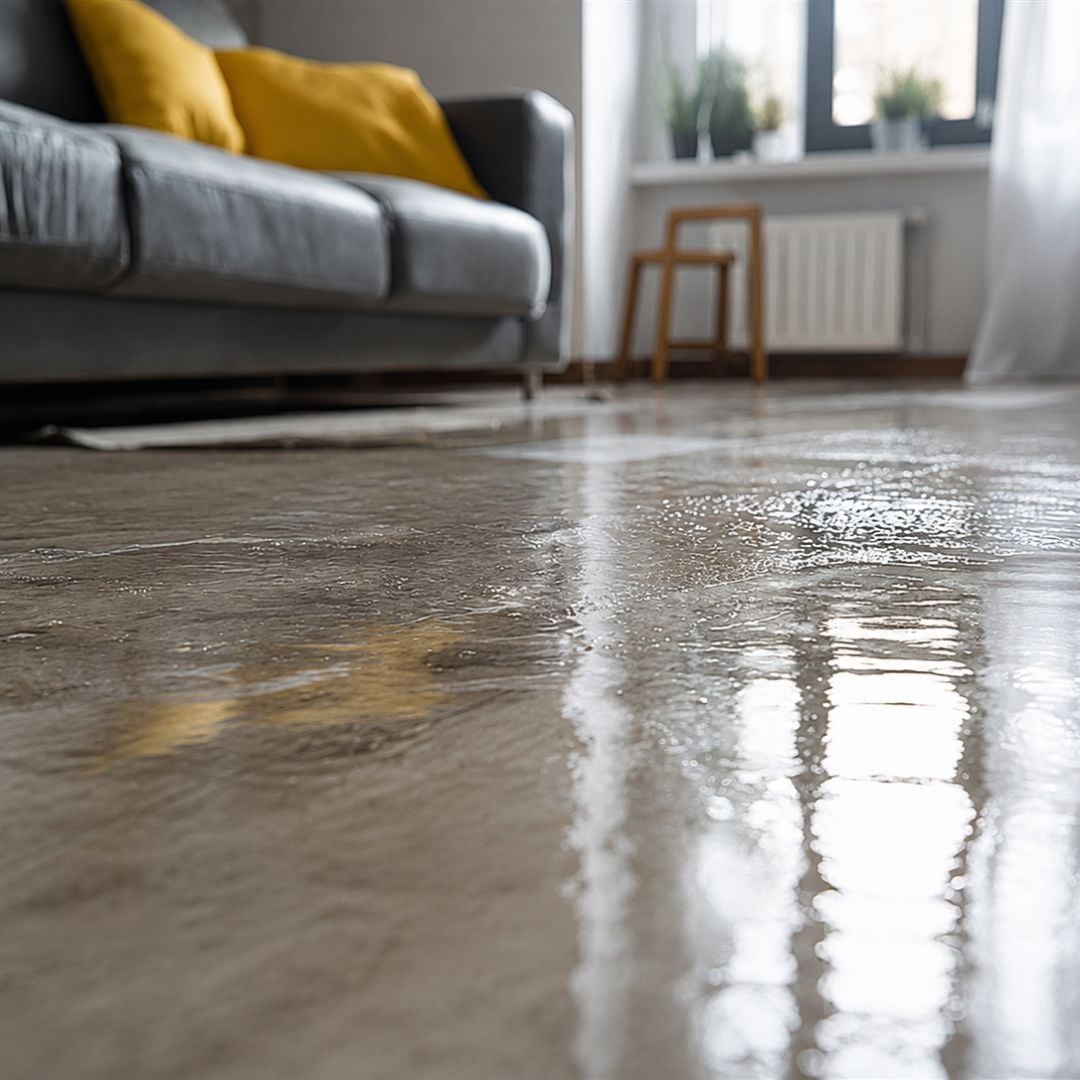
Water damage can happen quickly, but the damage it leaves behind often lasts much longer than people expect. After a flood, burst pipe, roof leak, or appliance failure, many homeowners believe the problem is solved once the standing water has been removed. In reality, water often remains trapped inside walls, floors, ceilings, insulation, and other building materials. If this hidden moisture is not removed, it can continue to damage your home long after the visible water is gone.
This is where professional structural drying becomes essential. Structural drying is one of the most important steps in the water damage restoration process because it removes moisture that cannot be seen with the naked eye. Proper drying helps protect your home's structure, reduces the risk of mold growth, and prevents additional damage that could lead to expensive repairs.
Without professional drying, damp building materials may begin to weaken. Drywall can soften, hardwood floors can warp, insulation can lose its effectiveness, and wood framing may begin to deteriorate. Moisture left behind can also create the perfect environment for mold, which can begin growing within 24 to 48 hours after water exposure.
Professional restoration companies use specialized equipment to locate hidden moisture, monitor drying progress, and restore building materials to safe moisture levels. Their goal is not only to dry the property but also to help prevent future problems that may develop if moisture remains inside the structure.
In this guide, you'll learn what professional structural drying is, why it is such an important part of water damage restoration, and how it protects your home from long-term damage.
What Is Professional Structural Drying?
Professional structural drying is the process of removing moisture from building materials after water damage. While water extraction removes standing water from floors and other surfaces, structural drying focuses on the moisture that has soaked into the structure of the home.
Many materials used in modern homes are porous, meaning they absorb water easily. Drywall, wood, insulation, carpeting, concrete, and subfloors can all hold moisture even after they appear dry on the surface. If this trapped moisture is not removed, it may continue spreading through nearby materials and create additional damage.
Professional structural drying uses advanced equipment and proven drying techniques to remove moisture safely and efficiently. Restoration professionals carefully monitor moisture levels throughout the process to ensure the property is completely dry before repairs begin.
Understanding the Structural Drying Process
Structural drying begins with a complete inspection of the affected property. Restoration technicians identify all areas that have been exposed to water, including places where moisture may be hidden behind walls, under flooring, or inside ceilings.
After the inspection, the drying process begins. Industrial air movers circulate air across wet surfaces to increase evaporation, while commercial dehumidifiers remove moisture from the air. As moisture leaves building materials, the dehumidifiers collect the water and help maintain the proper drying conditions.
Throughout the process, technicians continue measuring moisture levels using specialized equipment. Instead of relying on how dry a surface feels, they compare moisture readings with normal levels for each building material. This ensures that walls, floors, framing, and other structural components are dried thoroughly before restoration is complete.
Every water damage situation is different. The amount of water, the type of materials affected, the indoor temperature, and humidity levels all influence how long the drying process takes. Professional restoration companies adjust their equipment as conditions change to achieve the best results.
Why Water Extraction Alone Isn't Enough
Removing standing water is only the beginning of the restoration process. Although extraction removes large amounts of water, it cannot remove moisture that has already soaked into building materials.
For example, drywall may appear dry on the outside while remaining saturated inside. Hardwood flooring may feel dry when touched, but moisture can still be trapped beneath the boards or inside the subfloor. Insulation hidden behind walls can also retain water for days or even weeks if it is not dried properly.
If hidden moisture is left behind, it can continue spreading throughout the home. This may lead to mold growth, unpleasant odors, weakened building materials, and additional repair costs.
Professional structural drying removes this hidden moisture before it has the chance to create more problems. By drying the entire structure instead of only visible surfaces, restoration professionals help protect both your property and your family's health.
Why Structural Drying Is Critical After Water Damage
Structural drying is much more than simply speeding up the drying process. It plays a major role in protecting your home's safety, reducing restoration costs, and preventing future damage.
When water remains inside walls, ceilings, flooring, or insulation, the damage continues even if the visible water has disappeared. Proper structural drying stops this process before it becomes more serious.
Prevents Mold Growth
One of the biggest reasons to dry a property quickly is to prevent mold growth. Mold needs only three things to grow: moisture, organic material, and the right temperature. Since most homes already contain materials like wood, drywall, and insulation, moisture is often the only missing ingredient.
After water damage occurs, mold can begin growing within 24 to 48 hours if the affected materials are not dried properly. Once mold starts spreading, it can affect walls, ceilings, flooring, furniture, and other belongings throughout the property.
Mold also releases tiny spores into the air. These spores can lower indoor air quality and may trigger allergy symptoms or respiratory irritation in some people.
Professional structural drying removes the moisture mold needs to survive. Drying affected materials as quickly as possible greatly reduces the risk of mold growth and helps keep your home healthier.
Protects Your Home's Structure
Water may seem harmless at first, but it can slowly weaken many of the materials that support your home.
Drywall absorbs water quickly and may begin to sag, soften, or crumble if it stays wet for too long. Wood framing can swell, warp, or weaken as moisture remains trapped inside. Hardwood flooring may buckle or separate, while insulation loses much of its ability to regulate indoor temperatures once it becomes wet.
Over time, these problems can affect the stability of your home and increase the amount of repair work required.
Professional structural drying helps preserve these materials whenever possible by removing moisture before permanent damage occurs. Drying the structure completely often reduces the need for unnecessary demolition and replacement.
Reduces Repair Costs
Acting quickly after water damage can save homeowners a significant amount of money.
When moisture is removed early, fewer building materials are permanently damaged. This often means less drywall replacement, fewer flooring repairs, and a lower chance of mold remediation. The restoration process also tends to move faster because technicians are working with materials that have not experienced long-term water exposure.
Waiting too long can turn a small water problem into a much larger restoration project. What begins as a minor plumbing leak may eventually require replacing insulation, repairing structural framing, removing mold, and restoring several rooms.
Professional structural drying helps stop this cycle by addressing hidden moisture before it causes more extensive damage. The sooner the drying process begins, the greater the chance of protecting your home and reducing overall restoration costs.
The Professional Structural Drying Process
Professional structural drying follows a proven process that removes moisture from the property as safely and efficiently as possible. Every water damage situation is different, so restoration professionals inspect the affected areas and create a drying plan based on the amount of water, the materials involved, and how far the moisture has spread.
The goal is not simply to dry surfaces. The goal is to remove hidden moisture from the entire structure and return building materials to safe moisture levels.
Moisture Inspection and Damage Assessment
The first step is a complete inspection of the property. Water often travels farther than homeowners expect, moving through walls, ceilings, flooring, and insulation before becoming visible.
Restoration professionals use moisture meters and thermal imaging cameras to locate hidden moisture without removing unnecessary building materials. These tools help identify areas that still contain water, even if they look dry on the surface.
Technicians also inspect the type of water damage involved. Clean water from a broken supply line requires a different approach than water contaminated by flooding or sewage. Understanding the source of the water helps determine the safest restoration plan.
After the inspection is complete, technicians decide where drying equipment should be placed and estimate how long the drying process will take.
Water Extraction
If standing water is still present, it must be removed before structural drying can begin.
Restoration companies use powerful extraction equipment to remove water from floors, carpets, and other affected areas. This process removes much more water than standard household wet vacuums and helps speed up the drying process.
Removing standing water quickly also reduces the amount of moisture that building materials absorb. The sooner extraction begins, the greater the chance of saving drywall, flooring, furniture, and other belongings from permanent damage.
Even after all visible water has been removed, hidden moisture often remains inside the structure. This is why water extraction is only one part of the restoration process.
Structural Drying and Dehumidification
After extraction is complete, technicians begin drying the affected structure.
Industrial air movers create high-speed airflow across wet surfaces. This increases evaporation and helps pull moisture out of walls, floors, ceilings, and other materials.
At the same time, commercial dehumidifiers remove moisture from the air. As water evaporates from the building materials, the dehumidifiers capture that moisture and maintain the proper humidity levels inside the property.
This controlled drying environment allows moisture to leave the structure more efficiently than it would through natural air drying alone.
Because every property is different, technicians adjust the number and placement of air movers and dehumidifiers throughout the drying process. Their goal is to dry the structure evenly while preventing additional damage.
Monitoring the Drying Process
Drying does not stop once the equipment is turned on. Restoration professionals continue checking the property every day to measure moisture levels and make adjustments as needed.
Moisture meters are used to compare the affected materials with normal moisture levels. If certain areas are drying more slowly, equipment may be moved or additional drying equipment may be added.
Monitoring continues until all affected building materials have returned to acceptable moisture levels. Only then can repairs begin safely.
This careful process helps ensure that hidden moisture is completely removed instead of being sealed behind new drywall, flooring, or paint.
Equipment Used for Professional Structural Drying
Professional restoration companies rely on specialized equipment that is far more effective than household fans or portable dehumidifiers. Each piece of equipment plays an important role in removing hidden moisture and restoring the property.
Moisture Meters and Thermal Imaging Cameras
Finding hidden moisture is one of the biggest challenges after water damage.
Moisture meters measure how much water remains inside drywall, wood, concrete, and other building materials. These readings help technicians identify wet areas that cannot be seen with the naked eye.
Thermal imaging cameras add another level of accuracy. They detect temperature differences caused by moisture behind walls, ceilings, and floors. This allows technicians to locate hidden water without unnecessary demolition.
Using these tools helps restoration companies dry only the areas that need attention while avoiding unnecessary damage to the property.
Air Movers and Commercial Dehumidifiers
Air movers and dehumidifiers are the primary tools used during structural drying.
Air movers circulate large amounts of air across wet surfaces, speeding up evaporation and helping moisture leave building materials more quickly.
Commercial dehumidifiers remove the moisture from the air before it can settle back into the structure. By controlling indoor humidity, they create the ideal conditions for efficient drying.
Together, these machines work continuously to remove moisture from walls, ceilings, flooring, insulation, and structural framing.
Professional equipment is much more powerful than household fans and portable dehumidifiers, allowing restoration companies to dry homes faster and more thoroughly.
HEPA Air Filtration
Some water damage situations also require improving indoor air quality during restoration.
HEPA air scrubbers filter tiny airborne particles, including dust, debris, and some mold spores that may be released during the cleanup process.
These systems help create a cleaner working environment and reduce airborne contaminants while damaged materials are removed or dried.
HEPA filtration is especially valuable when water damage has already led to mold growth or when the affected area contains contaminated materials.
Why DIY Drying Often Isn't Enough
Many homeowners try to dry their homes using household fans, open windows, or small dehumidifiers. While these methods may help dry visible surfaces, they rarely remove moisture hidden inside the structure.
Without proper equipment and moisture testing, it is difficult to know whether the property is truly dry.
Hidden Moisture Can Remain Behind
One of the biggest challenges after water damage is that moisture often hides inside places you cannot see.
Water can soak into insulation, wall cavities, subfloors, and wooden framing while leaving only small signs on the surface. A wall may feel dry to the touch even though moisture remains trapped inside.
Household fans mainly dry the outside surface. They cannot pull moisture from deep within building materials the way professional drying equipment can.
If hidden moisture is left behind, it may continue spreading through the structure for days or even weeks.
Increased Risk of Mold and Structural Damage
Incomplete drying can create long-term problems that are far more expensive than the original water damage.
Moisture left inside walls or flooring creates ideal conditions for mold growth. Mold can spread quickly and may require professional remediation if it is not addressed early.
Wet building materials can also weaken over time. Drywall may soften, wood framing may warp, and flooring may buckle or separate.
By the time these problems become visible, repairs are often much more extensive than they would have been with immediate professional drying.
Professional Equipment Makes a Difference
Professional restoration companies use equipment specifically designed to dry buildings after water damage.
Their moisture meters confirm when materials are dry instead of relying on appearance alone. Thermal imaging cameras locate hidden moisture, while industrial air movers and commercial dehumidifiers remove water much faster than household equipment.
Technicians also understand how different building materials respond to moisture and adjust the drying process to achieve the best results.
This combination of advanced equipment and professional experience helps ensure that your home is dried safely, thoroughly, and as quickly as possible.
When Should You Call a Water Damage Restoration Professional?
Some water problems can be handled with simple cleanup, but many situations require professional help. Water often spreads farther than expected, soaking into walls, ceilings, floors, insulation, and other hidden areas. Without the right equipment, it can be difficult to remove all the moisture before it causes additional damage.
Calling a restoration company as soon as possible gives your home the best chance of avoiding long-term problems and expensive repairs.
Signs You Need Professional Structural Drying
There are several situations where professional structural drying is the safest option. Flooding from heavy rain, burst pipes, overflowing appliances, and roof leaks can all leave large amounts of moisture inside your home. Even if the water has been cleaned up, hidden moisture may still remain.
You should also seek professional help if you notice sagging ceilings, warped hardwood floors, peeling paint, soft drywall, or persistent musty odors. These signs often mean water has been trapped inside the structure for some time.
Visible mold growth is another warning sign that should never be ignored. Mold can spread quickly when moisture remains inside building materials. Professional restoration teams can locate the source of the moisture, dry the affected areas, and recommend mold remediation if needed.
If water has affected several rooms or entered areas that are difficult to access, professional drying is the best way to ensure your home is completely restored.
Why Fast Response Matters
Time plays a major role in every water damage restoration project. The longer moisture remains inside a building, the greater the chance of structural damage and mold growth.
Within the first day or two, mold can begin developing on wet materials. As time passes, drywall becomes weaker, wood may begin to warp, and flooring can suffer permanent damage.
Responding quickly allows restoration professionals to remove moisture before these problems become worse. Fast action also helps reduce repair costs because fewer materials need to be replaced.
If you discover water damage in your home, contacting a professional restoration company immediately is one of the best decisions you can make.
Tips to Help Prevent Long-Term Water Damage
While accidents cannot always be avoided, homeowners can take steps to reduce the risk of serious water damage. Routine maintenance and early action often prevent small problems from becoming major restoration projects.
Act Quickly After Water Damage
If water enters your home, remove standing water as soon as it is safe to do so. The faster moisture is removed, the less time it has to soak into walls, floors, furniture, and other materials.
Open windows if weather allows and improve airflow while waiting for professional assistance. However, remember that household fans alone cannot remove hidden moisture inside building materials.
Taking immediate action helps reduce the chance of mold growth and limits the amount of structural damage.
Fix the Source of Moisture
Drying the property is only part of the restoration process. The source of the water must also be repaired to prevent the problem from happening again.
Repair leaking plumbing, damaged roofs, faulty appliances, clogged gutters, or drainage issues as soon as possible. Ignoring the source of the moisture can lead to repeated water damage and additional restoration costs.
Regular inspections of your plumbing system, roof, and appliances can help you identify problems before they become emergencies.
Schedule a Professional Moisture Inspection
Even after visible water has been removed, hidden moisture may still remain inside your home.
A professional moisture inspection helps confirm that walls, flooring, ceilings, insulation, and framing are completely dry. Restoration professionals use moisture meters and thermal imaging cameras to locate moisture that cannot be seen during a normal inspection.
Scheduling a moisture inspection after flooding, burst pipes, or major leaks provides peace of mind and helps prevent mold growth and future structural damage.
Conclusion
Professional structural drying is one of the most important steps in the water damage restoration process. While removing standing water is essential, it is only the beginning. Moisture trapped inside walls, floors, ceilings, and other building materials can continue causing damage long after the visible water is gone.
Proper structural drying helps protect your home's structure, improves indoor air quality, and greatly reduces the risk of mold growth. It also helps lower repair costs by preventing hidden moisture from causing long-term damage.
If your home has experienced water damage, acting quickly is the best way to protect your property. The sooner professional drying begins, the better the chances of restoring your home while avoiding more expensive repairs.
Water damage doesn't end when standing water is removed. Hidden moisture can remain inside walls, floors, ceilings, and other building materials, increasing the risk of mold growth and structural damage. Professional structural drying helps protect your property and reduces the chance of costly repairs.
If your home or business has experienced water damage, trust Restoration Spartan for fast, reliable restoration services. Our experienced team provides water damage restoration, mold remediation, fire damage restoration, storm damage restoration, and sewage cleanup services. Using advanced moisture detection equipment, industrial drying systems, and proven restoration techniques, we remove hidden moisture, restore your property, and help prevent future damage.

.jpg)