
Water Damage Repair: What Can Be Saved and What Must Be Replaced
After a leak or flood, one of the first questions homeowners ask is simple: what can we save? The answer depends on the type of water, how long materials stayed wet, and what those materials are made of. Good water damage repair saves as much as possible and replaces only what is truly ruined.
This guide explains how professionals decide what stays and what goes, so you know what to expect before repairs begin.
Three Factors That Decide What Can Be Saved
1. The Type of Water
Clean water from a supply line or a broken pipe is the easiest to deal with. Gray water from a washing machine or dishwasher carries some contamination. Black water from sewage or outdoor flooding is the most dangerous, and porous materials it touches usually have to be removed.
2. How Long Materials Stayed Wet
Time matters more than most people think. Materials dried within 24 to 48 hours have a much better chance of being saved. After that, swelling, warping, and mold growth make replacement more likely.
3. The Material Itself
Hard, non-porous materials like tile, metal, and sealed concrete can usually be cleaned and dried. Soft, porous materials like carpet pad, insulation, and particleboard soak up water and are harder to save.
What Can Usually Be Saved
- Hardwood floors if drying starts quickly and boards have not cupped badly
- Drywall with minor wetting from clean water, dried in place with air movers
- Plaster walls, which handle moisture better than drywall
- Tile, stone, and vinyl surfaces after cleaning and drying underneath
- Solid wood furniture cleaned and dried slowly to prevent cracking
- Carpet wet with clean water if it is extracted and dried fast
- Framing and studs dried to normal moisture levels
What Usually Must Be Replaced
- Carpet padding in almost every water loss
- Insulation that is wet, since it holds moisture and loses its value
- Drywall that is soft, crumbling, sagging, or touched by gray or black water
- Particleboard and MDF cabinets or furniture that have swollen
- Laminate flooring, which warps quickly and rarely recovers
- Anything touched by sewage that cannot be fully disinfected
- Materials with mold growth beyond surface spots
How Professionals Make the Call
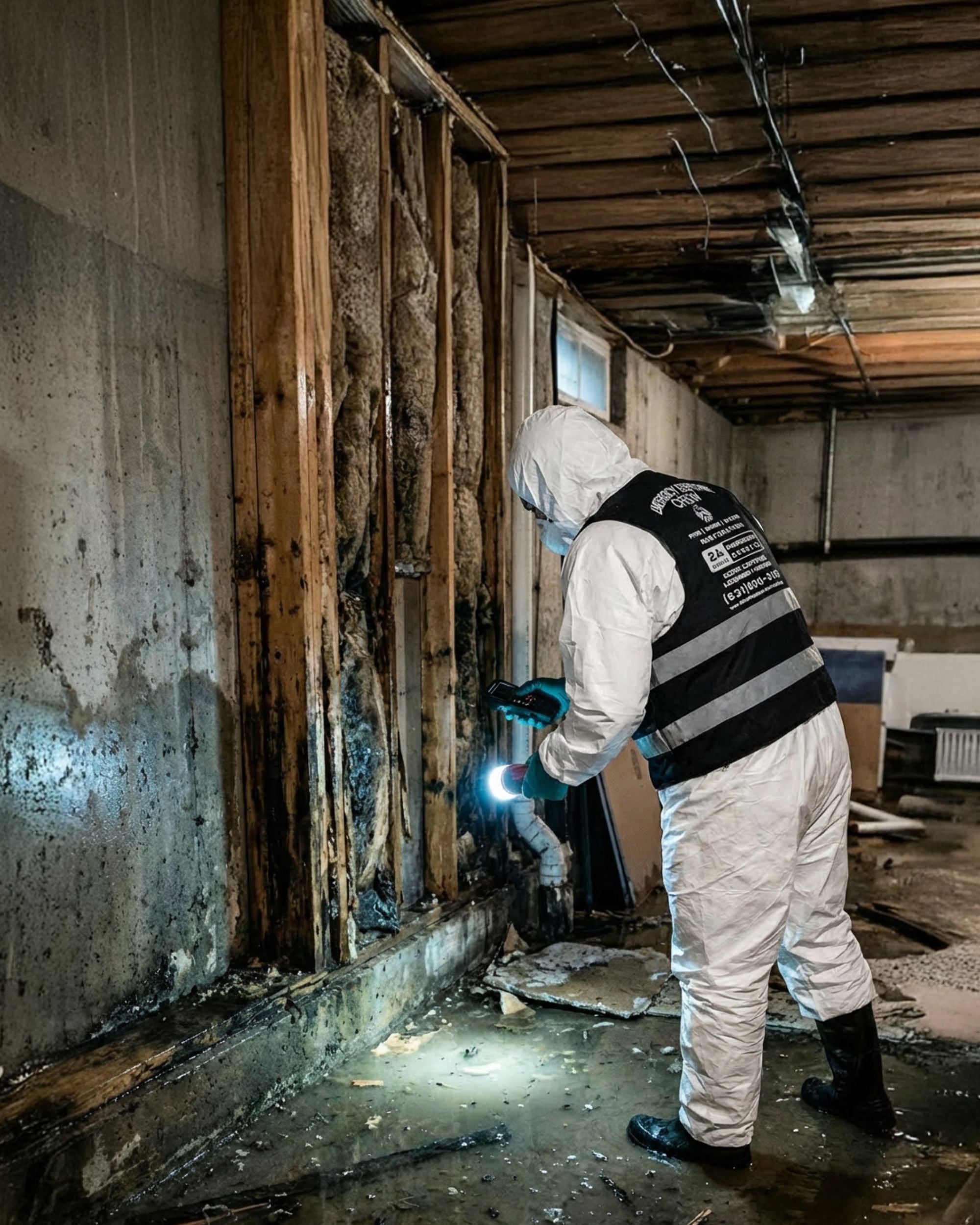
Restoration teams do not guess. They use tools to measure exactly how wet materials are and how far the water traveled, including:
- Moisture meters to check walls, floors, and framing
- Thermal imaging cameras to find hidden water behind surfaces
- Hygrometers to track humidity in the room
These readings help the team build a drying plan and decide which materials can be saved. This approach often saves homeowners thousands of dollars compared with tearing everything out.
The Water Damage Repair Process
Step 1: Inspection and Water Removal
The source of the water is stopped and standing water is extracted with pumps and vacuums.
Step 2: Controlled Removal
Only materials that cannot be saved are removed, such as wet padding or the bottom section of drywall, often called a flood cut.
Step 3: Structural Drying
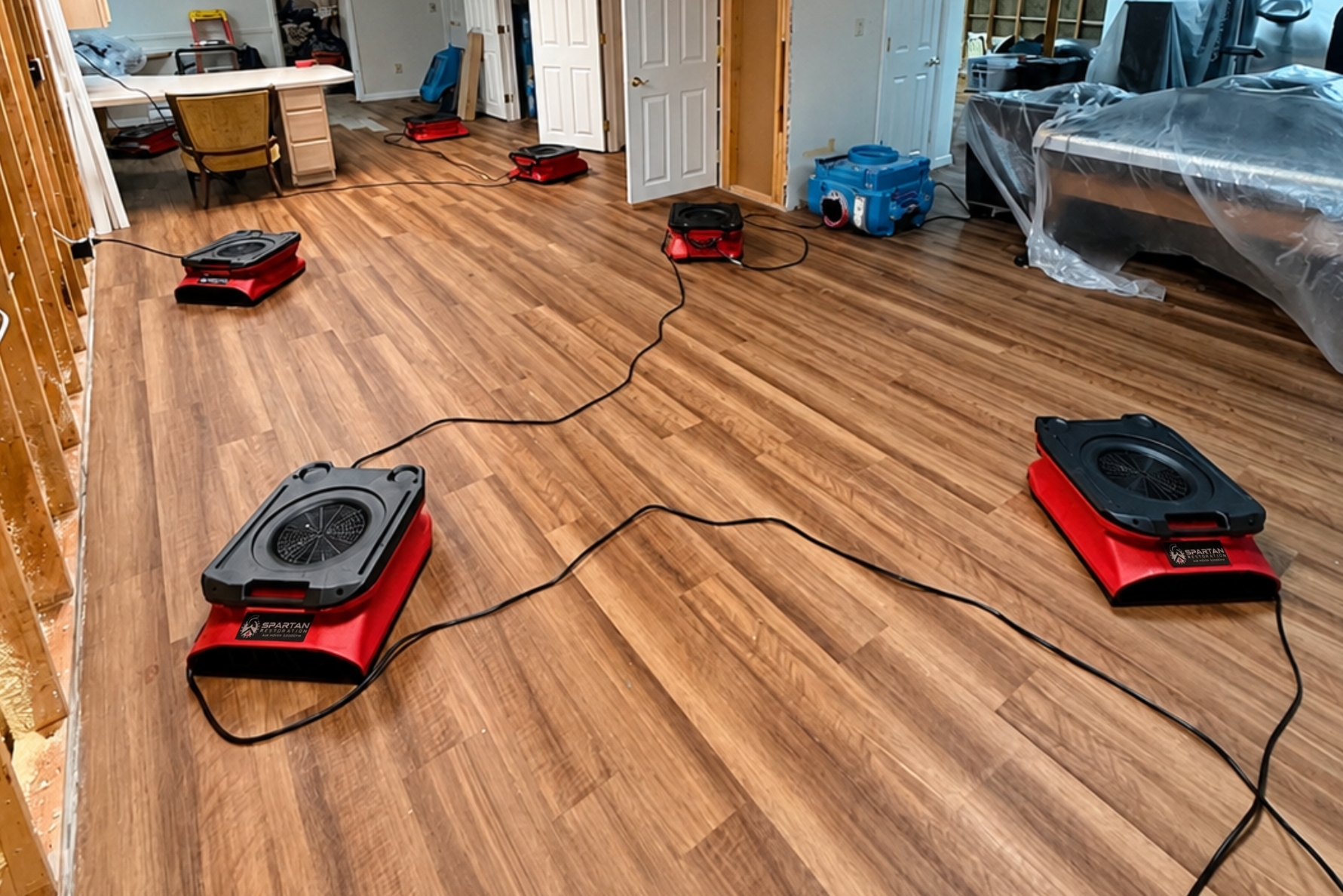
Air movers and dehumidifiers dry the structure. Moisture readings are taken daily until materials reach normal levels.
Step 4: Cleaning and Antimicrobial Treatment
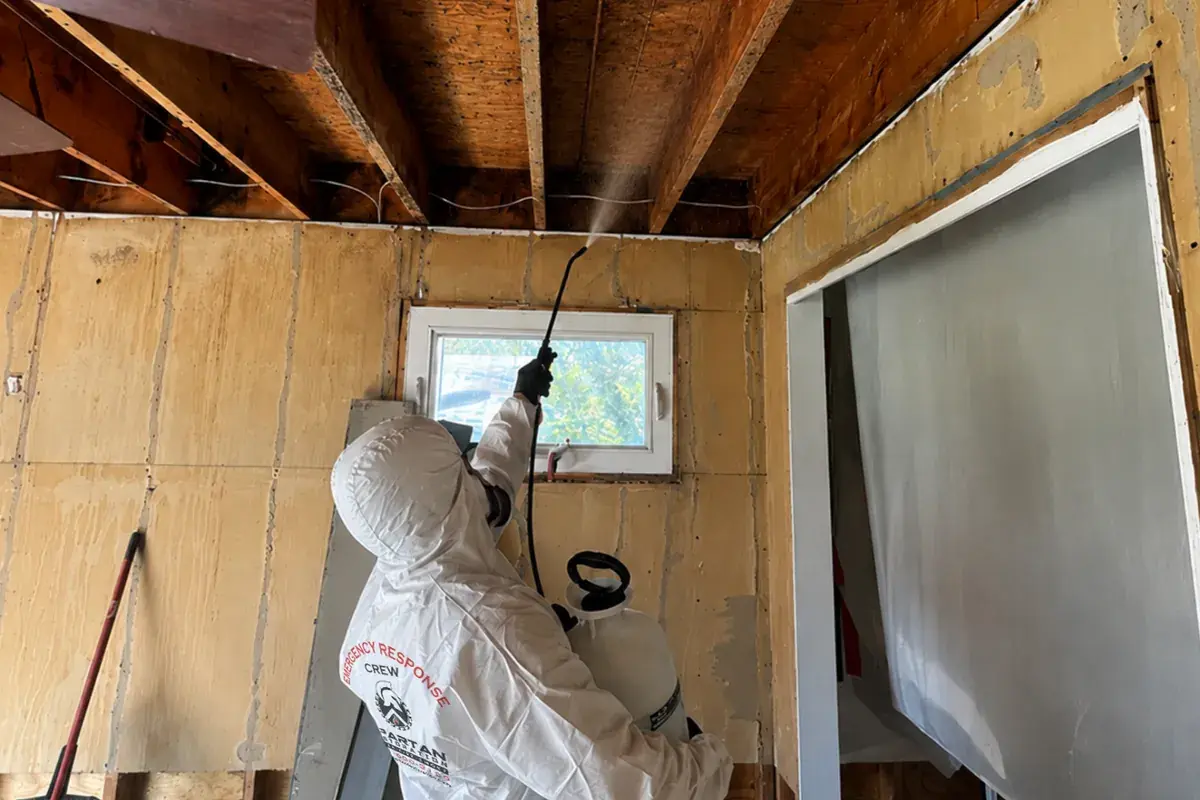
Surfaces are cleaned and treated to prevent mold and odors.
Step 5: Repairs and Rebuild
New drywall, insulation, flooring, and trim are installed, then painted and finished to match the rest of the home.
Why DIY Drying Often Falls Short
Household fans and a shop vacuum can remove surface water, but they rarely dry the inside of walls or the subfloor. Materials can feel dry to the touch while still holding moisture. Closing up a wall too soon is one of the most common reasons mold shows up months later.
Professional restoration teams follow drying standards set by the Institute of Inspection, Cleaning and Restoration Certification (IICRC), which helps make sure materials are dried correctly before repairs begin.
Frequently Asked Questions
Can wet drywall be dried instead of replaced?
Yes, if it was wet with clean water, it still feels firm, and drying starts quickly. Drywall that is soft, stained, or exposed to dirty water should be replaced.
How long does water damage repair take?
Drying usually takes three to five days. Repairs and rebuilding can take a few days to a few weeks, depending on how much material was removed.
Will my hardwood floors be ruined?
Not always. Hardwood dried quickly with specialized floor drying systems can often be saved. Boards that stay wet too long may cup or buckle and need replacement.
Conclusion
Water damage does not always mean starting over. The type of water, how fast drying starts, and the materials involved decide what can be saved. With professional moisture testing and drying, many homes keep their floors, walls, and furniture, and only the truly damaged materials are replaced.
Save more of your home after a leak, contact Spartan Restoration today!
- For fast extraction and drying, visit our Water Damage Restoration Services.
- For repairs and rebuilding after drying, see our Construction and Renovation Services.
Our team is available 24/7 to help you recover quickly.