


Flooded Basement Cleanup: What to Do After Water Damage Strikes
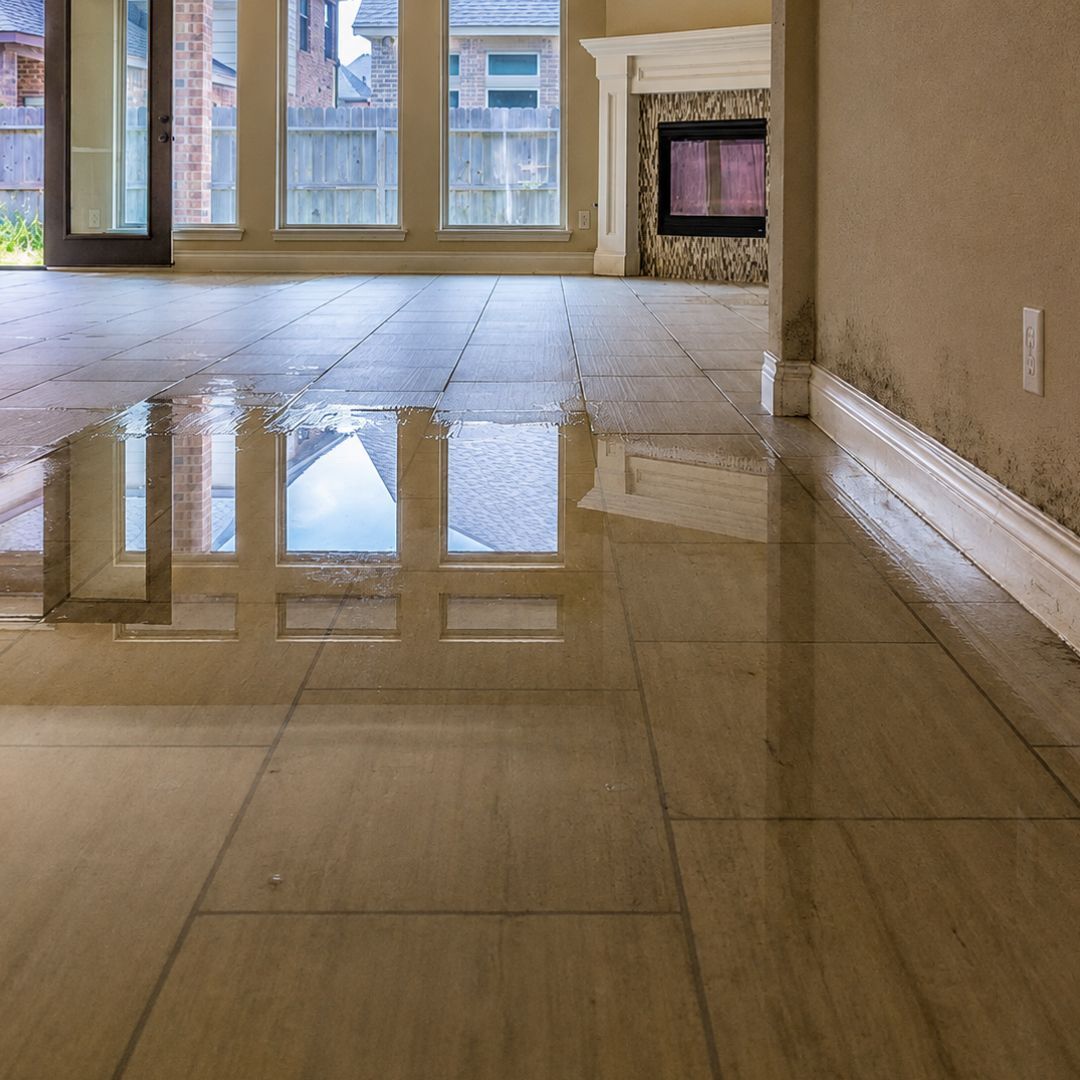
A flooded basement can happen when you least expect it. One strong storm, a broken pipe, or a clogged drain can quickly fill your basement with water. Even a small leak can cause major problems if it is not fixed right away. Water damage can ruin floors, walls, furniture, and personal belongings. It can also create the perfect place for mold and bacteria to grow.
Many homeowners deal with basement flooding after heavy rainstorms. Others may face water damage because of burst pipes, sewer backups, appliance failures, or cracks in the foundation. No matter the cause, quick action is important. The longer the water stays in your basement, the more damage it can cause.
Flooded basement cleanup is not only about removing water. It also involves drying the area, cleaning contaminated surfaces, and preventing future problems. In many cases, professional water damage restoration services are needed to fully restore the space and keep your home safe.
This guide will explain what to do after water damage strikes, the common causes of basement flooding, and why professional cleanup services are often the best choice.
Common Causes of Basement Flooding
Understanding what causes basement flooding can help homeowners prevent future water damage. There are several reasons why water may enter your basement.
Heavy Rain and Storm Damage
Strong storms and heavy rain are common causes of basement flooding. When too much rain falls in a short time, drainage systems may not be able to handle the water. Water can build up around the foundation and leak into the basement.
Poor drainage systems can make this problem worse. If gutters and downspouts are clogged or damaged, rainwater may flow directly toward the home instead of away from it. This increases the chance of water entering the basement.
Sump pump failure is another common issue during storms. A sump pump helps remove water from around the foundation. If the pump stops working during heavy rain, flooding can happen quickly.
Overflowing gutters can also cause water to collect near basement walls. Over time, this moisture may seep through cracks and lead to flooding.
Plumbing Failures
Plumbing problems can also cause serious water damage. Burst pipes are one of the most common causes of indoor flooding. Pipes may freeze during cold weather or weaken because of age and corrosion.
Leaking pipes can slowly damage walls and flooring over time. Even a small leak may create mold and moisture problems if left untreated.
Water heater malfunctions are another common source of basement flooding. Older water heaters may crack or leak without warning. Washing machine hose failures can also release large amounts of water into the basement.
Foundation and Structural Issues
The foundation of your home plays a major role in keeping water out. Cracks in basement walls or floors can allow water to enter during storms or periods of heavy moisture.
Improper waterproofing is another common issue. If the basement was not sealed correctly, water can slowly seep through the concrete.
Hydrostatic pressure buildup may also force water into the basement. This happens when water in the soil pushes against the foundation walls. Over time, the pressure can create leaks and cracks.
Sewer Backups
Sewer backups are one of the most dangerous types of basement flooding. Blocked sewer lines can force contaminated water back into the home.
Tree roots, grease buildup, and clogged pipes are common causes of sewer blockages. Floodwater from a sewer backup may contain bacteria, viruses, and harmful chemicals. This creates serious health risks for anyone exposed to the water.
Because of the contamination, sewer cleanup should always be handled by trained professionals.
Immediate Steps to Take After Basement Flooding
Knowing what to do after basement flooding can help reduce damage and improve safety.
Prioritize Safety First
Safety should always come first after water damage. Water and electricity are a dangerous combination. If it is safe to do so, turn off electricity to the affected area before entering the basement.
Avoid standing water if electrical hazards may be present. Wet floors can also be slippery and unsafe.
Wear protective gear such as gloves, boots, and masks when entering a flooded basement. Floodwater may contain bacteria, mold, or chemicals that can affect your health.
Stop the Water Source
If possible, stop the source of the water right away. Shut off the main water supply if a burst pipe or plumbing leak is causing the flooding.
If the issue is related to appliances, disconnect them from the water source immediately. Taking quick action can help prevent more damage to your home.
How to Remove Water From a Flooded Basement
Removing water quickly is one of the most important parts of basement cleanup.
Water Extraction Methods
Small amounts of water may be removed using a wet vacuum. However, larger floods often require pumps and professional water extraction equipment.
Professional restoration teams use high-powered extraction tools to remove standing water quickly. Fast water removal helps reduce damage to flooring, drywall, and furniture.
The sooner water is removed, the lower the chance of mold growth and structural damage.
Drying the Basement Properly
After water extraction, the basement must be dried completely. Even if surfaces look dry, hidden moisture may still remain inside walls and flooring.
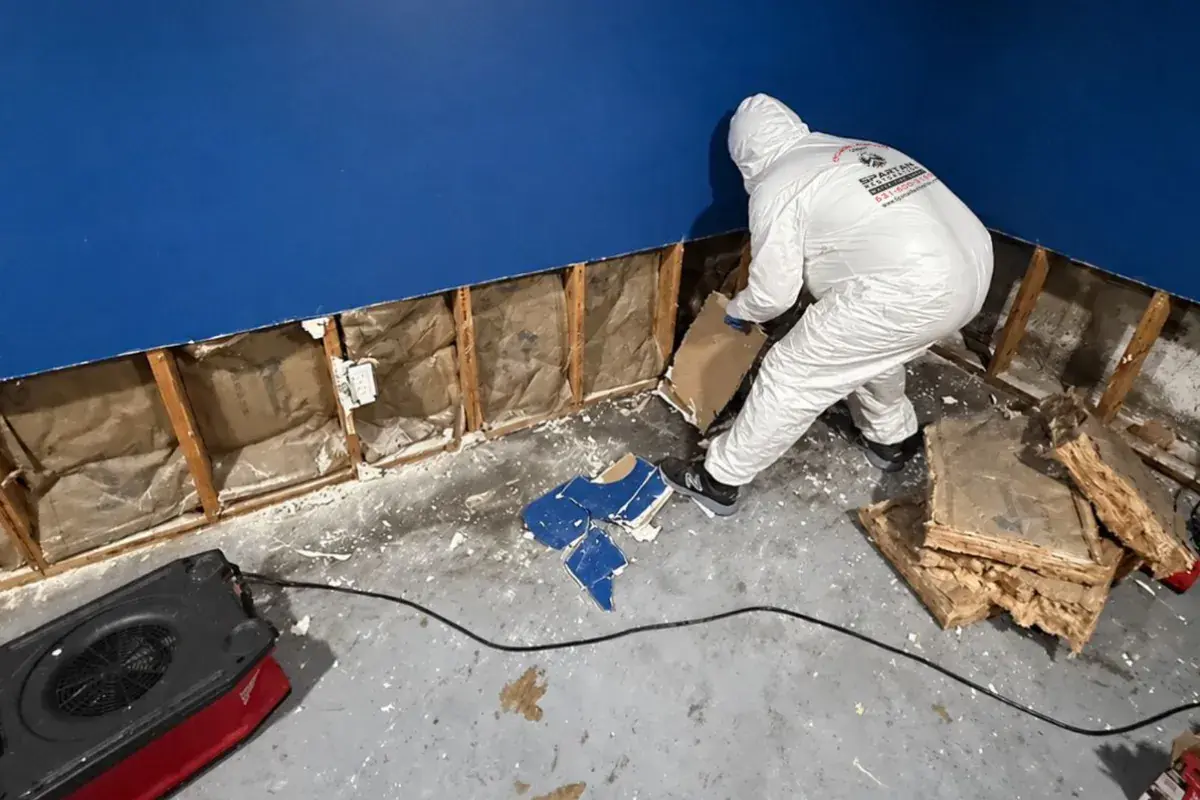
Industrial fans and dehumidifiers are often used to speed up the drying process. These tools help remove moisture from the air and building materials.
Soaked drywall, carpet, and insulation may need to be removed if they cannot be fully dried. Water-damaged materials can hold moisture and lead to mold growth.
Professional restoration teams also monitor moisture levels using special equipment. This helps ensure that the basement is fully dry before repairs begin.
Cleaning and Sanitizing
Flooded basements must be cleaned and sanitized carefully. Water damage can leave behind bacteria, dirt, and unpleasant odors.
Disinfecting contaminated surfaces helps reduce health risks and improve indoor air quality. Professional cleaning products are often used to kill bacteria and prevent mold growth.
Odor removal is another important step. Moisture and mold can create strong smells that may linger if not treated properly.
The Hidden Risks of DIY Flood Cleanup
Some homeowners try to handle flooded basement cleanup on their own. While small leaks may be manageable, major water damage often requires professional help.
Mold Growth and Air Quality Issues
Mold can begin growing within 24 to 48 hours after flooding. Once mold spreads, it can affect walls, flooring, furniture, and air quality.
Breathing mold spores may cause health problems such as coughing, allergies, headaches, and breathing issues. Children, older adults, and people with asthma may be especially sensitive to mold exposure.
Hidden moisture behind walls or under flooring can allow mold to grow out of sight.
Structural Damage
Water can weaken important parts of your home. Wood framing may rot after long exposure to moisture. Floors and drywall may also become damaged and unstable.
If water damage is ignored, the foundation itself may be affected over time. Structural repairs can become very expensive if problems are not handled early.
Electrical and Safety Hazards
Flooded basements may contain damaged wiring and electrical systems. Water exposure can increase the risk of electrical shock or fire.
Professionals know how to safely inspect water-damaged areas and identify hidden hazards before cleanup begins.
Why Professional Water Damage Restoration Matters
Hiring a professional restoration company can make the cleanup process safer and faster.
Faster Water Removal and Drying
Professional restoration teams use advanced equipment to remove water quickly. Powerful pumps, industrial dryers, and moisture detection tools help speed up the process.
Fast drying is important because it reduces the chance of mold growth and long-term damage.
Mold Prevention and Remediation
Professional cleanup services include mold prevention and remediation. Experts know how to find hidden moisture and stop mold before it spreads.
Thorough drying procedures and professional sanitization methods help protect the health of everyone in the home.
Restoring Your Basement Safely
Water damage restoration companies can also repair damaged materials and restore your basement safely.
This may include replacing drywall, repairing flooring, repainting walls, and restoring damaged areas. Professional restoration helps protect the long-term value of your home.
Instead of dealing with ongoing moisture problems, homeowners can feel confident that the basement has been properly restored.
Tips to Prevent Future Basement Flooding
While not all floods can be prevented, homeowners can take steps to reduce the risk of future water damage.
Maintain Gutters and Downspouts
Clean gutters regularly and make sure downspouts direct water away from the foundation. This helps prevent water from collecting around the home.
Install a Sump Pump Backup
A battery backup system can keep the sump pump working during power outages. This is especially helpful during severe storms.
Waterproof Your Basement
Sealing cracks and foundation leaks can help stop water from entering the basement. Improving exterior drainage may also reduce moisture problems.
Schedule Routine Plumbing Inspections
Regular plumbing inspections can help identify leaks before they become major issues. Replacing old pipes and worn hoses may prevent sudden flooding.
Conclusion
A flooded basement can cause serious damage to your home and create health and safety risks for your family. Whether the flooding comes from storms, plumbing failures, or sewer backups, acting quickly is very important.
Proper flooded basement cleanup includes water removal, drying, cleaning, sanitizing, and repairs. While some homeowners may try to handle cleanup on their own, hidden moisture and safety hazards can create long-term problems if not treated correctly.
Professional water damage restoration services help ensure that your basement is cleaned, dried, and restored safely. They also help prevent mold growth and protect the value of your home.
Preparing for future storms, maintaining your plumbing system, and waterproofing your basement can help reduce the risk of future flooding.
If your basement has suffered water damage, don’t wait for the problem to get worse. The experienced team at Spartan Restoration provides fast, professional help for flooded basement cleanup and related restoration needs.
Their services may include emergency water removal, basement water extraction, structural drying, dehumidification, mold prevention, odor removal, sanitizing, sewage cleanup, storm damage cleanup, and water damage repairs. From removing standing water to restoring damaged areas, Spartan Restoration can help protect your home and bring your basement back to a safe condition.

.jpg)