The Best Water Damage Prevention Tips for Homeowners
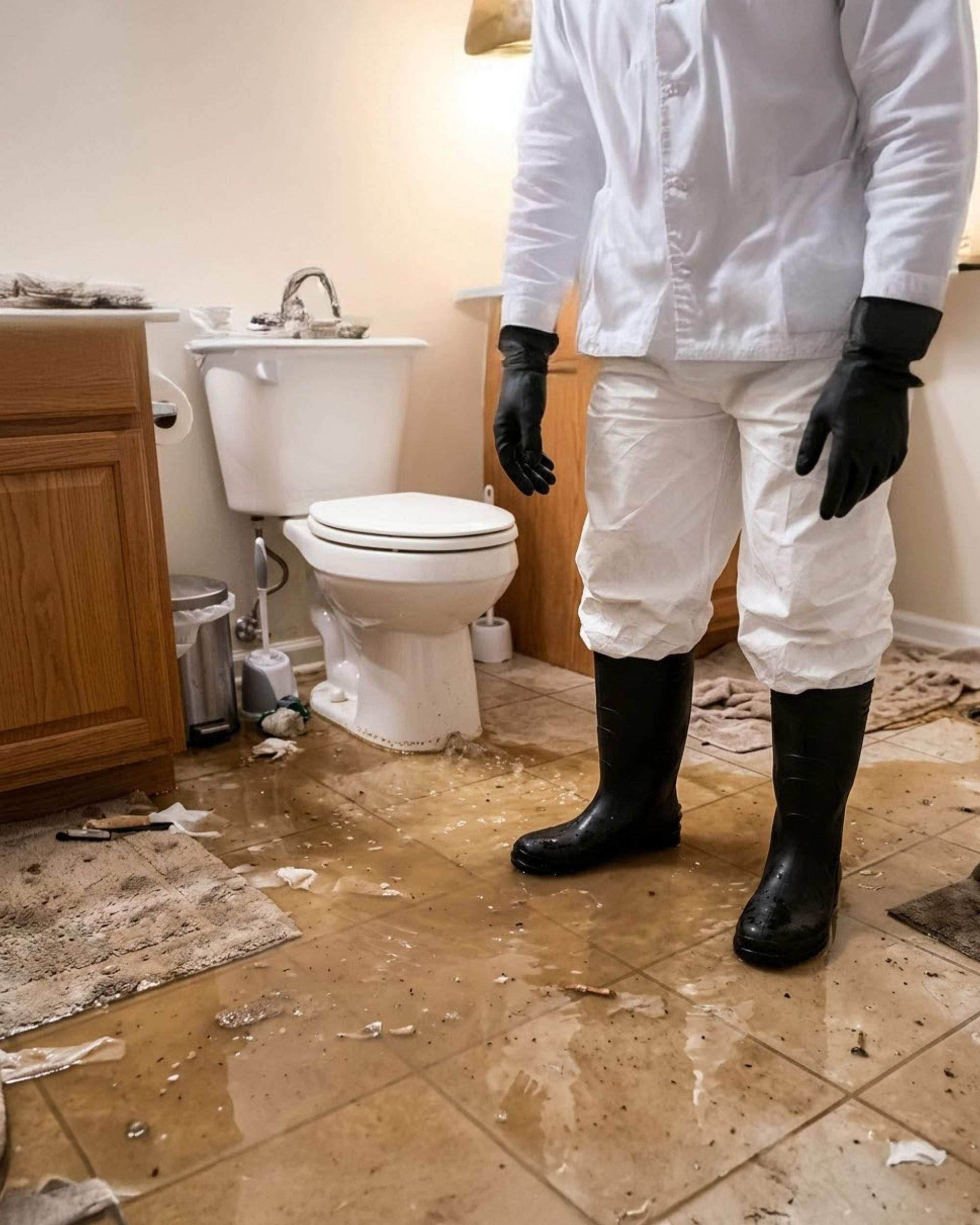
Water damage is one of the most common and expensive problems homeowners face. A small leak may not seem like a big issue at first, but it can quickly turn into a major repair if it goes unnoticed. Water can damage walls, ceilings, floors, furniture, and personal belongings. It can also create the perfect environment for mold growth, which may affect your home's indoor air quality and lead to additional restoration costs.
The good news is that many cases of water damage can be prevented. Regular home maintenance, routine inspections, and fixing small problems early can help you avoid costly repairs later. Taking a few simple steps throughout the year can protect your home from plumbing leaks, roof damage, appliance failures, and other common sources of water intrusion.
In this guide, you'll learn why water damage prevention is so important, what causes most water problems, and the best ways to keep your home dry and protected throughout the year.
Why Water Damage Prevention Matters
Water damage does more than leave behind stains or wet floors. If moisture is allowed to remain inside your home, it can slowly weaken building materials, encourage mold growth, and increase repair costs. Understanding why prevention matters can help you stay ahead of problems before they become emergencies.
The Cost of Ignoring Small Problems
Many homeowners ignore small leaks because they seem harmless. A dripping pipe under the sink or a tiny water stain on the ceiling may not appear urgent. However, these small problems rarely fix themselves. Over time, water continues to spread into nearby materials, making the damage worse.
Drywall absorbs moisture quickly and may begin to soften or crumble. Hardwood flooring can warp, buckle, or separate as it expands from excess moisture. Cabinets and furniture can also become damaged if water is allowed to sit for too long.
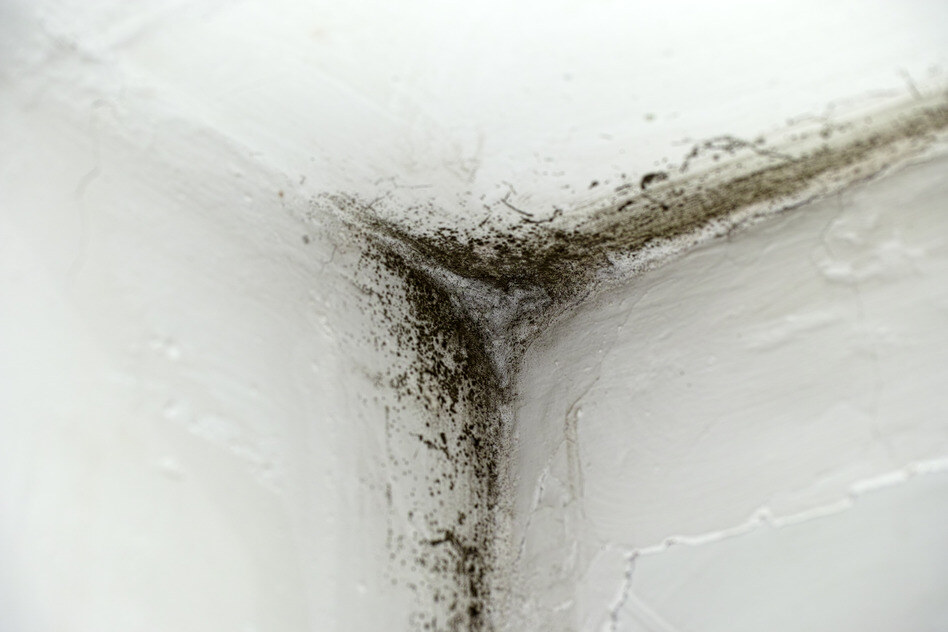
Another major concern is mold. Mold can begin growing within 24 to 48 hours after water exposure if the area is not dried properly. Once mold starts spreading, cleanup becomes more complicated and expensive.
Ignoring small leaks can also increase your monthly water bill. Even a slow drip can waste hundreds of gallons of water over time. Repairing a minor plumbing issue early is usually much less expensive than replacing damaged flooring, drywall, insulation, or other building materials later.
Preventive maintenance saves both time and money while helping protect your home's value.
Common Causes of Water Damage
Water damage can happen in almost any home, even when everything appears to be working properly. Knowing the most common causes makes it easier to prevent future problems.
Plumbing leaks are one of the leading causes of water damage. Pipes can corrode as they age, fittings may loosen, and water supply lines can wear out over time. Leaks often develop behind walls or under sinks where they are difficult to notice until significant damage has already occurred.
Roof leaks are another common problem. Missing shingles, damaged flashing, cracked roof vents, or clogged gutters can allow rainwater to enter your attic and eventually reach your ceilings and walls. After severe storms, even small roof damage should be inspected quickly.
Household appliances can also fail without warning. Washing machines, dishwashers, refrigerators with ice makers, and water heaters all use water connections that may leak as they age. A burst washing machine hose or leaking water heater can release large amounts of water in only a few minutes.
Poor drainage around your home can create problems as well. When gutters overflow or rainwater collects near your foundation, moisture may enter your basement or crawl space. Over time, this can weaken the foundation and create ideal conditions for mold growth.
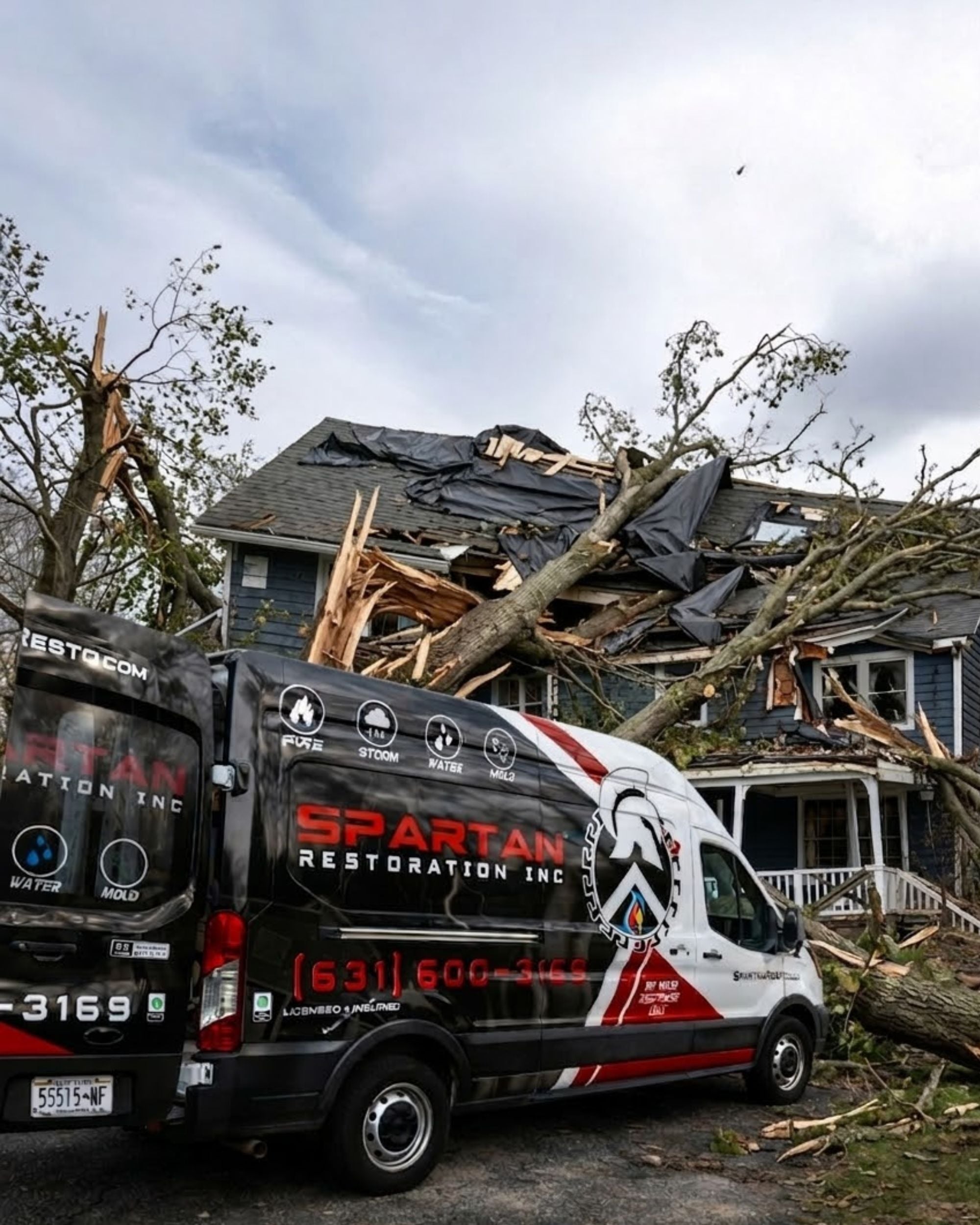
Severe weather, including heavy rain, hurricanes, snowstorms, and flooding, can also overwhelm your home's ability to keep water out. Preparing for these events before they happen can reduce the amount of damage your property experiences.
The Best Water Damage Prevention Tips
Preventing water damage doesn't have to be difficult. Regular inspections and simple maintenance tasks can greatly reduce your chances of dealing with expensive repairs. The following tips can help protect your home throughout the year.
Inspect Your Plumbing Regularly
Your plumbing system works every day, so it should be inspected regularly for signs of wear. Even a small leak can cause serious damage if it remains hidden behind walls or beneath flooring.
Start by checking visible pipes under sinks, behind toilets, and around water heaters. Look for dripping water, corrosion, rust, loose fittings, or moisture around pipe connections. If you notice any signs of leakage, have the problem repaired as soon as possible.
Pay close attention to flexible water supply hoses connected to washing machines, dishwashers, and refrigerators. These hoses naturally wear out over time and may crack without warning. Replacing them every few years is an inexpensive way to prevent a major plumbing emergency.
Don't forget to inspect faucets and showerheads. Constant dripping may seem minor, but it often signals worn seals or plumbing issues that should be repaired before they become larger problems.
Maintain Your Roof and Gutters
Your roof is your home's first line of defense against rain and storms. Keeping it in good condition helps prevent water from entering your home.
Inspect your roof at least twice a year and after severe weather. Look for missing shingles, cracked flashing, damaged roof vents, or signs of wear around chimneys and skylights. Even small openings can allow water to enter your attic.
Gutters are equally important. When leaves, sticks, and other debris clog gutters, rainwater cannot drain properly. Instead, it may overflow and run behind the siding or collect near your foundation.
Cleaning gutters regularly allows water to flow safely through the downspouts and away from your home. Downspouts should extend several feet away from the foundation to reduce the risk of basement leaks and foundation damage.
If you notice sagging gutters or loose brackets, repair them promptly to keep your drainage system working effectively.
Protect Your Home's Foundation
Your home's foundation supports the entire structure, so keeping it dry is essential. Water that collects around the foundation can slowly seep through cracks and enter your basement or crawl space.
One of the easiest ways to prevent this is by making sure the ground slopes away from your home. Proper grading allows rainwater to drain naturally instead of pooling near the foundation.
Inspect the foundation regularly for small cracks. While some hairline cracks are normal, larger cracks should be evaluated and repaired before they allow water inside.
Avoid placing large amounts of mulch or soil directly against your home's exterior walls. This can trap moisture and increase the chance of water entering the structure.
If your basement has experienced moisture problems before, consider installing or maintaining a sump pump. A properly functioning sump pump can remove excess groundwater before it floods your basement.
Monitor Appliances and Fixtures
Many homeowners focus on plumbing pipes but forget about the appliances connected to them. These appliances should also be inspected regularly because they are common sources of hidden leaks.
Check around your washing machine, dishwasher, refrigerator, and water heater for signs of moisture. Small puddles, rust, water stains, or damp flooring may indicate a slow leak.
Water heaters deserve extra attention because they can fail suddenly after years of use. Look for corrosion around the tank, leaking valves, or moisture collecting beneath the unit. Replacing an aging water heater before it fails can help prevent major water damage.
Bathrooms should also be inspected frequently. Look around toilets, bathtubs, showers, and sinks for cracked caulking, loose plumbing fixtures, or water collecting where it should not. Keeping these areas properly sealed helps prevent water from leaking behind walls or beneath flooring.
Regular inspections take only a few minutes but can prevent thousands of dollars in future repair costs.
Smart Ways to Detect Water Problems Early
Finding water problems early is one of the best ways to protect your home. Many leaks start small and remain hidden behind walls, under floors, or inside ceilings. By the time you notice visible damage, moisture may have already spread throughout the area.
Learning the warning signs and checking your home regularly can help you stop water damage before it becomes a costly restoration project.
Watch for Warning Signs
Your home often gives clues when water is present where it shouldn't be. One of the most common signs is water stains on walls or ceilings. These stains are usually yellow, brown, or copper-colored and may continue to grow if the leak is still active.
Peeling paint or bubbling drywall is another warning sign. Moisture trapped behind the surface weakens the bond between the paint and drywall, causing it to separate over time.
Pay attention to your floors as well. Hardwood flooring may warp, cup, or buckle when exposed to moisture. Laminate flooring may swell, while carpet can feel damp or develop an unpleasant odor.
A musty smell is another sign that should never be ignored. Even if mold is not visible, a persistent earthy odor often means moisture is trapped behind walls, beneath flooring, or inside insulation.
Unexpected increases in your monthly water bill may also point to a hidden plumbing leak. If your water usage hasn't changed but your bill continues to rise, it is worth investigating your plumbing system.
You should also watch for mold or mildew around baseboards, ceilings, windows, and plumbing fixtures. Mold often develops where moisture remains for an extended period.
The sooner these warning signs are found, the easier it is to prevent major damage.
Use Water Leak Detection Devices
Technology has made it easier than ever to detect leaks before they become serious.
Smart water leak detectors can be placed near water heaters, washing machines, dishwashers, refrigerators, sump pumps, and under sinks. If water is detected, the device sends an alert to your smartphone, allowing you to respond quickly even when you're away from home.
Some systems include automatic shut-off valves. When a leak is detected, these devices automatically stop the water supply, helping prevent flooding and reducing damage.
Moisture sensors can also monitor areas that are difficult to inspect regularly, such as basements, crawl spaces, utility rooms, and laundry rooms.
Although these devices cannot replace regular home maintenance, they provide another layer of protection against unexpected plumbing failures.
Schedule Regular Home Inspections
Even homeowners who perform routine maintenance may overlook hidden moisture. Professional home inspections can identify problems before they become visible.
A restoration professional can inspect your home using moisture meters that measure moisture levels inside drywall, wood, and flooring. Thermal imaging cameras can also locate hidden water behind walls, ceilings, and floors without damaging your property.
These inspections are especially valuable after heavy storms, plumbing leaks, burst pipes, or flooding. Even if visible water has been cleaned up, moisture may still remain inside building materials.
Scheduling periodic inspections gives you confidence that your home is dry and helps prevent mold growth and structural damage before repairs become expensive.
Seasonal Water Damage Prevention Tips
Every season brings different challenges for homeowners. Preparing your home throughout the year can greatly reduce the risk of water damage caused by changing weather conditions.
Prepare for Heavy Rain and Storms
Storms can expose weaknesses in your home's exterior. Before storm season begins, inspect your roof for damaged shingles, loose flashing, or cracked roof vents that could allow rainwater inside.
Clean your gutters and downspouts so rainwater can flow away from your home instead of overflowing onto the roof or foundation.
Trim tree branches that hang over your roof. Strong winds can cause branches to break, damaging shingles, gutters, and siding.
Check doors and windows for damaged seals. Replacing worn weather stripping and sealing small gaps helps keep wind-driven rain from entering your home.
If your property is located in an area prone to flooding, make sure your sump pump is working properly and consider installing a battery backup in case of a power outage.
Preparing before a storm is much easier than repairing water damage afterward.
Prevent Frozen Pipes During Winter
Cold weather can cause water inside pipes to freeze. As the water expands, pressure builds inside the pipe, increasing the risk of a burst pipe.
Insulate exposed pipes located in basements, garages, attics, and crawl spaces before temperatures drop below freezing.
Keep your home's temperature consistent, even when you're away. Turning the heat off completely during winter can increase the chance of frozen pipes.
On extremely cold nights, allowing faucets to drip slightly can help keep water moving through the plumbing system.
Disconnect and drain outdoor garden hoses before winter arrives, and shut off outdoor water supply valves if possible. These simple steps help protect exterior plumbing from freezing.
Protect Your Home While You're Away
Leaving your home unattended for several days increases the chance that a leak will go unnoticed.
Before leaving for vacation, inspect your plumbing fixtures and appliances for any signs of leaks. Make sure your water heater, washing machine, dishwasher, and refrigerator connections are in good condition.
If you will be away for an extended period, consider shutting off your home's main water supply. Doing so can prevent significant water damage if a pipe bursts while you're gone.
Ask a trusted neighbor, friend, or family member to check on your home occasionally. They can look for signs of leaks, storm damage, or plumbing problems and notify you if something appears unusual.
Smart home monitoring systems can also provide peace of mind. Many leak detection devices send real-time alerts directly to your phone if water is detected while you're away.
Taking a few preventive steps before traveling can help protect your home from unexpected water damage and save you from returning to a costly surprise.
When to Call a Water Damage Restoration Professional
Some water problems can be handled with simple repairs, such as tightening a loose pipe connection or replacing worn caulking around a sink. However, larger problems often require professional restoration. Waiting too long can allow moisture to spread, increasing the risk of mold growth and structural damage.
You should contact a water damage restoration professional if your home has experienced flooding, a burst pipe, a major roof leak, or water that has soaked walls, ceilings, flooring, or insulation. Even if the water appears to be gone, hidden moisture may still remain inside building materials.
Professional help is also recommended if you notice mold growth, persistent musty odors, or recurring water stains. These are often signs that moisture has not been fully removed.
Restoration professionals use specialized equipment to locate and remove hidden moisture. Moisture meters measure water trapped inside drywall, wood, and flooring, while thermal imaging cameras detect moisture behind walls and ceilings without unnecessary demolition.
After identifying the affected areas, technicians use commercial-grade water extraction equipment, industrial air movers, and dehumidifiers to dry the property. This controlled drying process helps prevent mold growth and reduces the risk of long-term structural damage.
If mold has already developed, professionals can safely contain the affected area, remove contaminated materials when needed, and improve indoor air quality using HEPA filtration systems. Once the property is dry, repairs can begin to restore damaged drywall, flooring, insulation, and other building materials.
Acting quickly after discovering water damage gives your home the best chance of avoiding more extensive and expensive repairs.
Conclusion
Water damage is one of the most common home maintenance problems, but it is also one of the most preventable. Simple habits such as inspecting your plumbing, maintaining your roof, checking appliances, and controlling indoor moisture can greatly reduce the risk of costly repairs.
Early detection is just as important as prevention. Water stains, musty odors, warped flooring, peeling paint, and unusually high water bills can all be warning signs of hidden moisture. Finding these problems early allows you to fix them before they lead to mold growth or structural damage.
Preparing your home for changing seasons, monitoring areas that are prone to leaks, and scheduling routine inspections are all smart ways to protect your property throughout the year.
While regular maintenance can prevent many problems, some situations require professional restoration. If your home experiences flooding, burst pipes, roof leaks, or hidden moisture, acting quickly can help minimize damage and restore your property safely.
Protecting your home starts with small steps today that can save you thousands of dollars in repairs tomorrow.
Water damage can happen even with regular maintenance, but acting quickly can help reduce damage and prevent costly repairs. If your home has been affected by leaks, burst pipes, flooding, or storm damage, trust Spartan Restoration for fast and professional help.
Our experienced team provides water damage restoration, mold remediation, fire damage restoration, storm damage restoration, and sewage cleanup services to restore your property safely and efficiently.