How to Spot Plumbing Problems Before They Get Worse
Your plumbing system works hard every day. It delivers clean water to your sinks, showers, toilets, and appliances while carrying wastewater safely out of your home. Because most pipes are hidden behind walls, under floors, or underground, plumbing problems can go unnoticed until they become serious.
A small leak may not seem like a big deal at first. However, even a slow drip can waste water, damage building materials, and create the perfect conditions for mold growth. What starts as a simple plumbing issue can quickly turn into expensive repairs if it is ignored.
Plumbing problems can happen for many reasons. Aging pipes, clogged drains, worn-out fixtures, tree roots, and high water pressure are some of the most common causes. Even poor installation or lack of maintenance can lead to unexpected leaks and water damage.
The good news is that plumbing systems usually give warning signs before a major failure happens. Learning to recognize these signs can help you fix small problems early, avoid costly repairs, and protect your home from water damage.
In this guide, you'll learn how to spot common plumbing problems, what causes them, when to call a professional, and how regular maintenance can help keep your plumbing system in good condition.
Why Early Detection Matters
Finding plumbing problems early can save you time, money, and stress. Small issues are usually easier and less expensive to repair than major plumbing failures. Early detection also helps protect your home's structure and prevents unnecessary damage.
Prevent Costly Repairs
Many plumbing emergencies begin as small problems.
A loose pipe connection, a dripping faucet, or a tiny leak behind a wall may not seem urgent. Over time, however, these small issues can become much larger.
Water can slowly weaken drywall, flooring, cabinets, and wooden framing. If the leak continues for weeks or months, repairs may involve replacing building materials instead of simply fixing the pipe.
For example, a small leak under a kitchen sink might only require tightening a fitting if caught early. If left alone, the same leak could damage cabinets, flooring, and nearby walls.
Early repairs are almost always less expensive than waiting until significant damage occurs.
Protect Your Home from Water Damage
Water is one of the most damaging forces inside a home.
When pipes leak behind walls or beneath floors, moisture spreads into nearby materials. Drywall absorbs water quickly. Wood begins to swell and weaken. Flooring may warp or buckle.
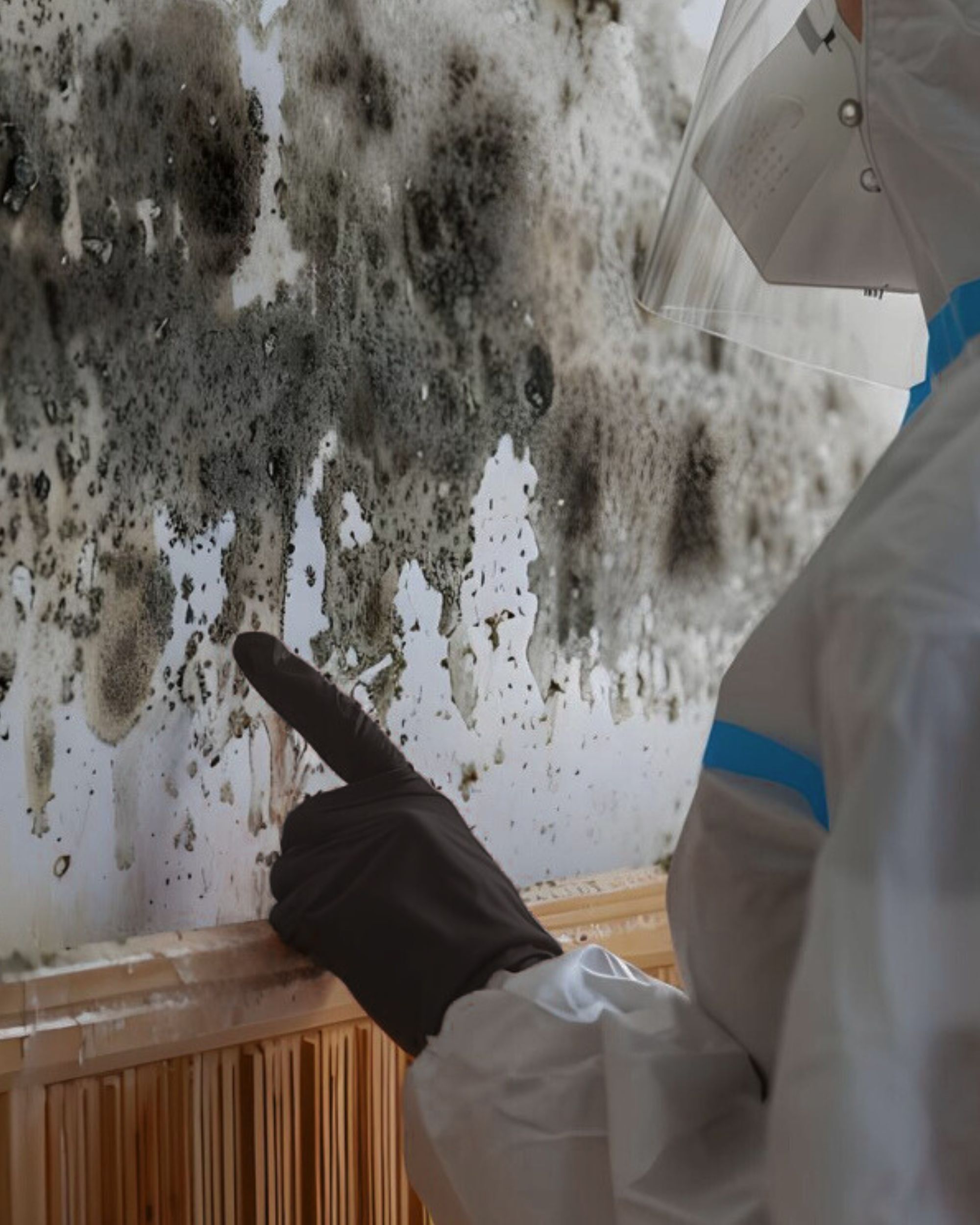
Hidden moisture also creates ideal conditions for mold growth.
Mold can begin growing within 24 to 48 hours after water damage if materials remain wet. Once mold spreads, cleanup becomes more complicated and costly.
Detecting plumbing issues early helps stop water damage before it affects larger areas of your home.
Improve Plumbing System Performance
A healthy plumbing system works more efficiently.
Leaks reduce water pressure and waste clean water every day. Mineral buildup inside pipes can slow water flow and reduce the performance of showers and faucets.
Fixing plumbing problems early helps maintain steady water pressure throughout your home.
Regular maintenance also extends the life of pipes, fixtures, water heaters, and other plumbing components. This means fewer repairs and lower maintenance costs over time.
Common Signs of Plumbing Problems
Many plumbing issues give clear warning signs before they become emergencies. Paying attention to these signs allows homeowners to act before major damage occurs.
Low Water Pressure
Low water pressure is one of the most common signs of plumbing trouble.
You may notice that your shower feels weaker than usual, or your kitchen faucet takes longer to fill a pot. While this can sometimes be caused by city water supply issues, it may also point to problems inside your home's plumbing system.
Mineral buildup inside pipes, hidden leaks, partially closed valves, or damaged pipes can all reduce water pressure.
If the problem affects only one faucet, the fixture itself may need cleaning or repair. If low pressure occurs throughout the home, it could indicate a larger plumbing issue.
A professional inspection can determine the exact cause before it becomes worse.
Slow Drains
A drain that empties slowly is another warning sign.
Water should flow freely through sinks, showers, and bathtubs. If it drains slowly, there may be a partial blockage somewhere in the pipe.
Kitchen sinks often clog because of grease, food particles, and soap buildup.
Bathroom sinks usually collect hair, toothpaste, and soap residue.
Bathtubs and showers commonly develop clogs from hair and shampoo buildup.
While a single slow drain may only need cleaning, several slow drains throughout the home could indicate a larger blockage in the main drain line.
Ignoring slow drains allows blockages to become worse over time.
Frequent Clogged Drains
Everyone experiences a clogged drain occasionally.
However, drains that clog repeatedly usually point to a larger plumbing problem.
If you clear the same drain several times each month, there may be damage or buildup deeper inside the pipe.
When multiple drains clog at the same time, the issue may involve the home's main sewer line.
Tree roots, collapsed pipes, or severe blockages can prevent wastewater from flowing properly.
Professional drain inspections can identify the cause before it develops into a sewage backup.
Unusual Noises in Pipes
Your plumbing system should operate quietly.
If you begin hearing unusual sounds, it may be trying to warn you about a problem.
Banging or hammering noises often happen when water suddenly changes direction inside the pipes. This is commonly called water hammer.
Whistling sounds may indicate high water pressure or worn valves.
Gurgling noises coming from drains usually suggest trapped air caused by a blockage somewhere in the drainage system.
While these sounds may seem harmless at first, they often point to plumbing issues that should be inspected before damage occurs.
Leaking Faucets and Fixtures
A dripping faucet is easy to ignore.
Many people delay repairs because the leak seems small. However, a faucet that drips every few seconds can waste thousands of gallons of water each year.
Leaks often occur because washers, seals, or cartridges wear out over time.
Running toilets are another common plumbing issue.
Sometimes the toilet continues running long after it has been flushed. This usually happens because of a worn flapper, faulty fill valve, or improper adjustment inside the tank.
Although these repairs are usually simple, delaying them increases water bills and places unnecessary strain on your plumbing system.
Water Stains on Walls or Ceilings
Water stains are one of the clearest signs of hidden plumbing leaks.
Brown, yellow, or dark-colored stains often appear on ceilings or walls where leaking pipes are located.
You may also notice bubbling paint, peeling wallpaper, or soft drywall.
These signs indicate that moisture has been present for some time.
Even if the leak appears minor, water trapped behind walls can lead to mold growth and structural damage.
Any new water stain should be inspected as soon as possible.
Mold or Mildew Growth
Mold needs moisture to grow.
If mold begins appearing around sinks, toilets, bathtubs, or nearby walls, there may be a hidden plumbing leak supplying continuous moisture.
A musty smell is often one of the first warning signs.
Sometimes mold develops behind walls before becoming visible.
If mold keeps returning after cleaning, the moisture source has likely not been fixed.
Professional leak detection may be necessary to locate hidden plumbing issues.
Higher Water Bills
Many homeowners first notice plumbing problems when they receive an unusually high water bill.
If your water use hasn't changed but your monthly bill suddenly increases, hidden leaks may be wasting water around the clock.
Even small leaks can waste hundreds or thousands of gallons over time.
Comparing your monthly water bills can help you identify unusual increases that deserve investigation.
Wet Spots or Standing Water
Water should never collect around your home without a clear explanation.
Wet spots around toilets, under sinks, near appliances, or even in your yard may point to plumbing leaks.
Outdoor wet areas sometimes indicate broken underground water lines.
Standing water indoors should always be addressed immediately because it can quickly damage flooring and create mold problems.
Hidden Plumbing Problems You Might Miss
Not every plumbing problem is easy to find. Some leaks stay hidden for weeks or even months before they become visible. During that time, water can damage your home's structure, increase your water bill, and create the perfect conditions for mold growth.
Knowing where hidden plumbing problems occur can help you catch them before they turn into major repairs.
Slab Leaks
A slab leak happens when a water pipe beneath your home's concrete foundation develops a leak. Because the pipe is hidden under the floor, homeowners often don't notice the problem until damage has already started.
Slab leaks can happen because pipes become old, corrode over time, or are damaged by shifting soil beneath the home.
Signs Beneath Flooring
One of the first signs of a slab leak is unexpected moisture beneath your flooring.
Hardwood floors may begin to warp or buckle. Carpet may feel damp even though nothing has spilled on it. Tile floors may loosen as moisture weakens the adhesive underneath.
These changes should never be ignored because they often point to hidden water damage.
Warm Spots on the Floor
If your home has hot water pipes running beneath the foundation, a leak may create warm areas on the floor.
You may notice that one section of the floor feels warmer than nearby areas without any obvious reason.
This is a common warning sign that a hot water pipe beneath the slab may be leaking.
Cracks in Flooring or Foundation
Water from a slab leak can slowly weaken the soil beneath your home.
Over time, this movement may cause cracks in flooring, walls, or even the foundation itself.
Although not every crack is caused by a plumbing problem, new or growing cracks should always be inspected, especially if they appear with other signs of water damage.
Hidden Pipe Leaks Behind Walls
Many plumbing pipes run inside walls where they cannot be seen. If one of these pipes begins leaking, the damage often stays hidden until it becomes serious.
Fortunately, your home usually gives several warning signs.
Damp Drywall
Drywall should always feel firm and dry.
If part of a wall feels damp, cool, or soft to the touch, water may be leaking behind it.
Even a slow leak can soak insulation and drywall over time.
Ignoring damp walls often leads to mold growth and expensive repairs.
Soft Walls
Water weakens drywall as it absorbs moisture.
You may notice areas that feel soft when pressed or seem less solid than the surrounding wall.
This often means water has been trapped behind the surface for an extended period.
Professional leak detection can locate the damaged pipe without unnecessary demolition.
Paint Damage
Water leaking behind walls often causes visible damage to paint.
You may see bubbling, peeling, cracking, or discoloration.
These signs happen because moisture pushes against the back of the wall surface.
Fresh paint may temporarily hide the problem, but it will usually return if the leak is not repaired.
Sewer Line Problems
Your home's sewer line carries wastewater away from sinks, showers, toilets, and appliances.
When this line becomes blocked or damaged, wastewater cannot flow properly. This can lead to unpleasant odors, slow drains, and even sewage backups.
Sewage Odors
One of the clearest warning signs of sewer line trouble is a strong sewage smell inside or outside your home.
Healthy plumbing systems should not produce unpleasant odors.
If you smell sewage near drains, around your yard, or inside your basement, there may be damage somewhere in the sewer line.
Multiple Drain Backups
A single clogged sink usually points to a local blockage.
However, when several drains back up at the same time, the problem is often much larger.
For example, your shower may back up while the washing machine drains, or multiple toilets may begin overflowing.
These signs often indicate a blockage in the main sewer line.
Slow Drainage Throughout the Home
If every sink, bathtub, and toilet seems to drain more slowly than usual, your sewer system may not be moving wastewater properly.
This is another sign that should be inspected quickly before a complete blockage develops.
What Causes Plumbing Problems?
Plumbing systems naturally wear down over time. Some problems happen because of age, while others are caused by outside forces or poor maintenance.
Understanding these causes helps homeowners prevent future damage.
Aging Pipes
Every plumbing system has a lifespan.
Older homes may contain pipes made from materials that eventually corrode, rust, or weaken.
Even modern plumbing materials wear out after years of daily use.
Corrosion
Corrosion slowly damages metal pipes from the inside.
As corrosion builds, small holes can develop, allowing water to leak into walls or beneath floors.
Rust can also reduce water flow and lower water pressure throughout the home.
Pipe Deterioration
Pipes expand and contract every day as water temperatures change.
Over many years, this movement causes joints and connections to weaken.
Eventually, leaks begin to form.
Regular inspections help identify aging pipes before they fail.
Tree Root Intrusion
Trees naturally seek out water sources.
Small roots can enter tiny cracks in underground sewer pipes.
Once inside, the roots continue growing until they block wastewater flow or break the pipe completely.
Homes with mature trees often experience this problem.
Professional camera inspections can identify root intrusion before it causes severe sewer damage.
High Water Pressure
Many homeowners enjoy strong water pressure.
However, pressure that is too high places extra stress on pipes, fittings, and plumbing fixtures.
Over time, excessive pressure can loosen joints, damage valves, and shorten the lifespan of appliances like washing machines and water heaters.
Installing a pressure regulator can help protect your plumbing system.
Poor Installation or Repairs
Not every plumbing problem comes from age.
Sometimes issues begin because pipes or fixtures were installed incorrectly.
Loose Fittings
Pipe connections should remain tightly sealed.
If fittings become loose, water can slowly leak every time the plumbing system is used.
These small leaks often go unnoticed until surrounding materials become damaged.
Incorrect Pipe Connections
Improper installation can create long-term plumbing issues.
Pipes installed with incorrect slopes or poorly connected fittings may develop repeated leaks, poor drainage, or frequent clogs.
Hiring qualified professionals helps reduce these risks.
Freezing Temperatures
Cold weather creates another plumbing hazard.
When water freezes inside a pipe, it expands.
This expansion places enormous pressure on the pipe walls.
Frozen Pipes
Frozen pipes block water flow completely.
If you turn on a faucet and little or no water comes out during freezing weather, the pipe may be frozen.
Frozen pipes should be thawed carefully to avoid damage.
Burst Pipes After Thawing
Many pipes actually burst while thawing rather than while frozen.
As the ice melts, water begins flowing again and escapes through cracks created during freezing.
A burst pipe can release large amounts of water in only a few minutes.
Insulating exposed pipes and keeping indoor temperatures stable can help prevent freezing during winter.
When to Call a Professional Plumber
Some plumbing problems can be fixed with simple maintenance. Others require immediate professional attention.
Knowing when to call a plumber can prevent major damage to your home.
Signs That Require Immediate Attention
Certain plumbing issues should never be ignored.
A burst pipe is one of the most urgent emergencies because it can flood a home within minutes.
Sewage backups are another serious problem. Wastewater contains harmful bacteria and should always be handled by trained professionals.
Water leaking inside walls should also be inspected immediately. Even if the leak seems small, hidden moisture can damage drywall, insulation, and wood framing.
If your home suddenly loses its water supply or experiences a major drop in water pressure, there may be a broken pipe or another serious plumbing issue.
In each of these situations, calling a professional quickly can reduce damage and repair costs.
Benefits of Professional Inspection
Professional plumbers use specialized tools that most homeowners do not have.
Leak detection equipment can locate hidden water without cutting unnecessary holes in walls or floors.
Camera inspections allow plumbers to see inside drain and sewer pipes to identify blockages, cracks, or root intrusion.
Professionals can also check water pressure, inspect aging pipes, and identify problems before they become emergencies.
Preventive inspections often save homeowners money by catching small issues early.
Tips to Prevent Plumbing Problems
Preventing plumbing problems is much easier and less expensive than repairing major damage. While no plumbing system lasts forever, regular maintenance can help keep your pipes, fixtures, and appliances working properly for many years.
Simple habits and routine inspections can reduce the risk of leaks, clogs, and water damage.
Inspect Plumbing Regularly
One of the easiest ways to prevent plumbing problems is to inspect your plumbing system on a regular basis.
You don't need special tools to spot many common issues. A quick inspection every few months can help you find small problems before they become costly repairs.
Check Visible Pipes
Look at any exposed pipes in your basement, crawl space, garage, or utility room.
Check for signs of rust, corrosion, water stains, or small drips around fittings and joints. Even a slow leak should be repaired as soon as possible because it can lead to water damage over time.
If you notice moisture around a pipe but cannot identify the source, contact a professional plumber for a closer inspection.
Look Under Sinks
The cabinets beneath your kitchen and bathroom sinks are common places for hidden leaks.
Open the cabinet doors and check for damp areas, standing water, water stains, or musty odors.
Also inspect the pipes for loose connections or signs of corrosion.
Catching these leaks early can prevent damage to cabinets, flooring, and nearby walls.
Inspect Appliances
Many household appliances rely on water connections.
Regularly inspect your washing machine, dishwasher, refrigerator, water heater, and ice maker for signs of leaks.
Look behind and underneath appliances whenever possible. Replace worn hoses or damaged supply lines before they fail.
A few minutes of inspection can help prevent a major water damage emergency.
Watch Your Water Pressure
Water pressure that is too high may feel convenient, but it places unnecessary stress on your plumbing system.
Over time, excessive pressure can damage pipes, faucets, valves, washing machine hoses, and water heaters.
Most homes perform best with water pressure between 40 and 60 PSI.
If your faucets seem unusually forceful or you hear banging noises inside the pipes, your water pressure may be too high.
A licensed plumber can test your pressure and install a pressure-reducing valve if needed.
Keeping water pressure within the recommended range helps extend the life of your plumbing system.
Avoid Drain Clogs
Many plumbing problems begin with clogged drains.
Fortunately, most drain blockages can be prevented with simple habits.
Don't Pour Grease Down Drains
Grease may go down the drain as a liquid, but it quickly cools and hardens inside pipes.
Over time, grease sticks to the inside of the pipe and traps food particles, creating stubborn blockages.
Instead of pouring grease into the sink, allow it to cool and throw it away in the trash.
Use Drain Strainers
Drain strainers are inexpensive but very effective.
They catch hair, food scraps, soap residue, and other debris before these materials enter the plumbing system.
Clean the strainer regularly to keep water flowing freely.
Dispose of Waste Properly
Only flush toilet paper down the toilet.
Items such as paper towels, baby wipes, cotton swabs, feminine hygiene products, and dental floss should always go into the trash.
Even products labeled as "flushable" can cause blockages in home plumbing systems.
In the kitchen, avoid putting coffee grounds, eggshells, pasta, rice, and fibrous vegetables into the garbage disposal because they can clog pipes over time.
Schedule Routine Plumbing Maintenance
Professional plumbing maintenance helps identify hidden problems before they become emergencies.
A licensed plumber can inspect pipes, fixtures, water heaters, shut-off valves, and drains to ensure everything is working properly.
Routine maintenance also helps identify worn parts that may need replacement before they fail.
For most homes, scheduling a plumbing inspection once a year is a good way to prevent unexpected repairs.
Older homes or properties with aging plumbing may benefit from more frequent inspections.
Investing in preventive maintenance today can save thousands of dollars in future repair costs.
Conclusion
Plumbing problems rarely happen without warning. In many cases, your home gives clear signs that something is wrong long before a pipe bursts or serious water damage occurs.
Low water pressure, slow drains, recurring clogs, unusual pipe noises, water stains, mold growth, and higher water bills are all signs that your plumbing system may need attention.
Some problems, such as slab leaks and hidden pipe leaks, are more difficult to find because they occur behind walls or beneath floors. That's why regular inspections and prompt repairs are so important.
The longer plumbing issues are ignored, the greater the risk of water damage, mold growth, structural deterioration, and costly repairs.
By inspecting your plumbing system regularly, watching for early warning signs, and scheduling routine maintenance, you can protect your home and avoid unexpected emergencies.
When in doubt, it's always better to have a plumbing problem inspected early than to wait until it becomes a much larger issue.
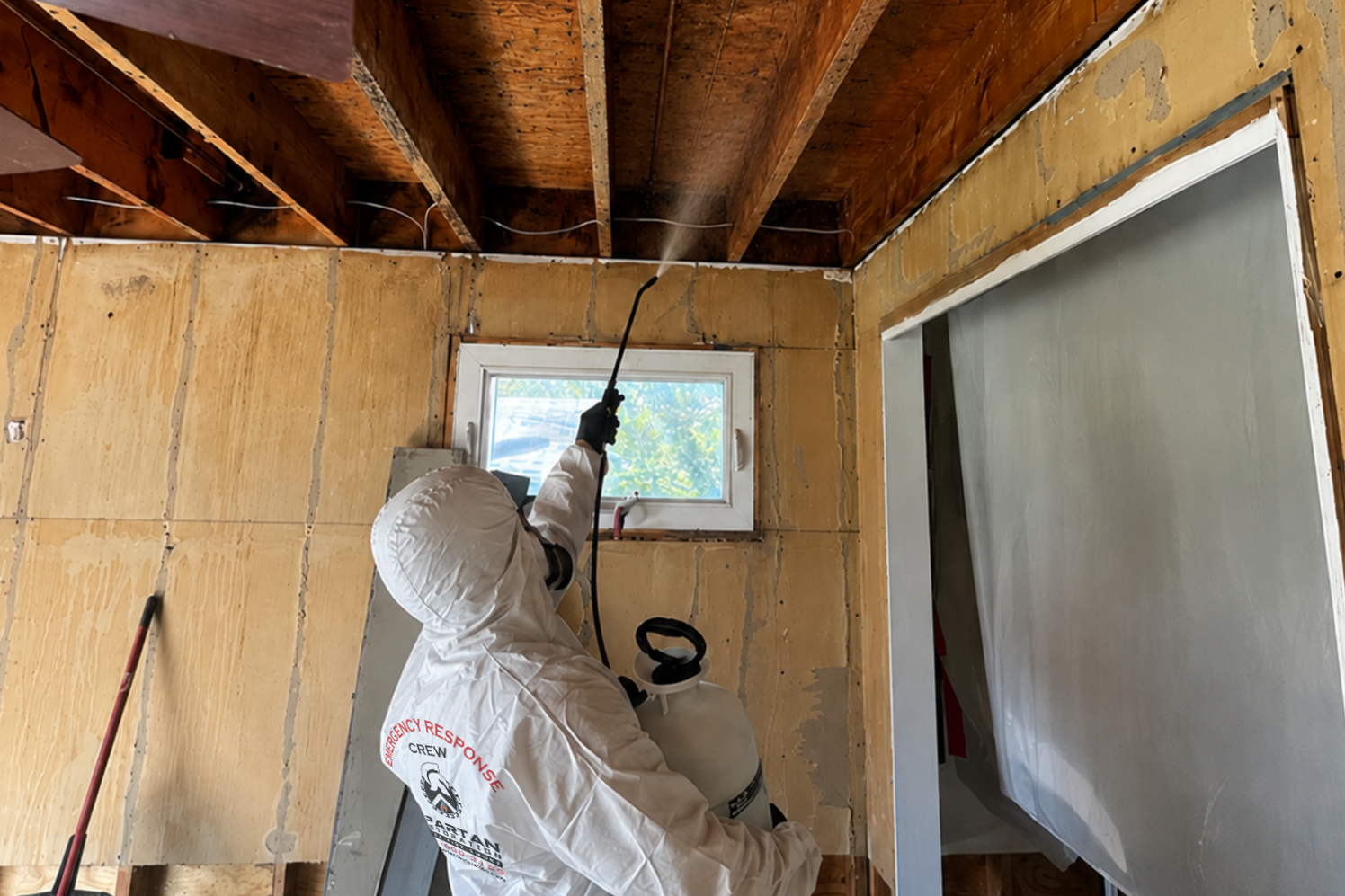
If plumbing problems have caused water damage or mold, don't wait. Fast action can help prevent further damage and costly repairs.
Spartan Restoration offers professional water damage restoration and mold remediation services to remove moisture, restore your property, and help keep your home safe and healthy.

.jpg)