
Mold Under Hardwood Floors: Warning Signs and Risks
Hardwood floors add beauty and value to any home. They are durable, easy to clean, and can last for many years with proper care. However, hardwood flooring is not immune to water damage. When moisture gets trapped beneath the surface, it can create the perfect environment for mold to grow.
Mold under hardwood floors is often difficult to spot because it develops out of sight. By the time homeowners notice something is wrong, the mold may have already spread beneath the flooring and into the subfloor. This hidden damage can affect your home's structure and indoor air quality if it is not treated quickly.
Water leaks, flooding, high humidity, and poor ventilation are some of the most common reasons mold develops beneath hardwood flooring. Even a small plumbing leak that goes unnoticed can provide enough moisture for mold to grow over time.
The good news is that mold usually gives warning signs before the damage becomes severe. Learning to recognize these signs can help you act early, reduce repair costs, and protect your family's health.
In this guide, you'll learn what causes mold under hardwood floors, the warning signs to watch for, the risks of ignoring hidden mold, and how professionals remove it safely.
What Causes Mold Under Hardwood Floors?
Mold needs three things to grow: moisture, organic material, and the right temperature. Hardwood flooring naturally provides organic material because wood is made from natural fibers. When moisture becomes trapped underneath the floor, mold can begin growing within a day or two under the right conditions.
Understanding the causes of hidden moisture is the first step in preventing mold.
Water Leaks
Water leaks are one of the leading causes of mold beneath hardwood flooring. Many leaks are small and develop slowly, allowing moisture to build up over time without anyone noticing.
Plumbing Leaks
Pipes running beneath floors or inside walls can leak because of age, corrosion, loose fittings, or accidental damage. Since these pipes are hidden, water may collect beneath hardwood flooring for weeks before visible signs appear.
A slow leak may not seem serious at first, but even a small amount of water can soak into wood and the subfloor. As moisture builds up, mold begins to grow in dark areas where airflow is limited.
Regular plumbing inspections can help identify problems before they become major repairs.
Appliance Leaks
Many household appliances use water every day. Washing machines, refrigerators with ice makers, dishwashers, and water heaters can all develop leaks over time.
Sometimes a hose becomes loose. Other times a seal wears out or a drain line becomes blocked. Water may slowly seep underneath the flooring every time the appliance is used.
Because these leaks often happen behind or underneath the appliance, homeowners may not notice the problem until the hardwood begins to warp or a musty smell develops.
Checking appliances regularly can help prevent hidden water damage.
Roof Leaks
Roof leaks are another common source of hidden moisture.
Rainwater can enter through damaged shingles, cracked flashing, or clogged gutters. Once inside the home, the water may travel along walls before reaching hardwood flooring.
Since water doesn't always drip straight down, homeowners may not realize the floor damage is actually coming from the roof.
Inspecting your roof after heavy storms can help catch leaks before they cause mold.
Flooding and Water Damage
Flooding introduces large amounts of water into a home in a short period of time. Even if standing water is removed quickly, moisture can remain trapped beneath hardwood floors.
Without proper drying, mold can begin growing within 24 to 48 hours.
Burst Pipes
A burst pipe can release hundreds of gallons of water in only a few hours.
Water quickly spreads beneath hardwood flooring and into nearby walls. Even after visible water is removed, moisture often remains trapped beneath the boards.
Professional drying equipment is usually needed to remove this hidden moisture completely.
Storm Damage
Heavy rain, hurricanes, and severe storms can allow water to enter through damaged roofs, windows, or doors.
If water reaches hardwood flooring, it can soak into both the wood and the materials underneath.
Storm damage should always be inspected carefully because hidden moisture may remain even after the surface appears dry.
Overflowing Sinks or Tubs
Accidents happen in every home.
An overflowing bathtub, sink, or toilet can send water across hardwood floors in just a few minutes.
If the water reaches cracks between the boards, it can soak into the subfloor where mold begins to grow.
Cleaning up spills quickly greatly reduces this risk.
High Humidity and Poor Ventilation
Not all mold problems come from leaks or floods.
Sometimes moisture slowly builds up because of high indoor humidity.
Bathrooms, kitchens, laundry rooms, crawl spaces, and basements often have higher humidity than other parts of the home.
Without enough airflow, moisture stays trapped and creates ideal conditions for mold.
Excess Indoor Moisture
Daily activities such as cooking, showering, and washing clothes release moisture into the air.
Normally this moisture leaves through ventilation or air conditioning. However, when humidity remains too high for long periods, wood flooring begins to absorb moisture.
This creates favorable conditions for mold beneath the floor.
Using exhaust fans and keeping indoor humidity between 30% and 50% can help prevent this problem.
Crawl Spaces and Basements
Many hardwood floors are installed above crawl spaces or basements.
If these areas are damp, moisture can move upward into the flooring above.
Poor drainage around the home or standing water beneath the house makes the problem even worse.
Installing proper vapor barriers and improving ventilation can reduce moisture buildup.
Lack of Airflow
Air circulation plays an important role in keeping flooring dry.
Rooms with limited ventilation often trap humidity. Furniture placed tightly against walls or large rugs covering wet flooring can also slow drying.
When moisture cannot escape, mold has more time to grow beneath the surface.
Keeping rooms well ventilated helps reduce this risk.
Warning Signs of Mold Under Hardwood Floors
Because mold grows beneath the flooring, it is often hidden from view. Fortunately, your home usually gives several warning signs before the problem becomes severe.
Recognizing these signs early can help you prevent expensive repairs.
Musty or Earthy Odors
One of the first signs of hidden mold is a musty smell.
Many homeowners describe it as an earthy or damp odor that does not disappear, even after cleaning.
The smell may be stronger after rain or on humid days because moisture activates mold growth.
If you notice a persistent odor without an obvious source, hidden mold could be the cause.
Ignoring the smell allows mold to continue spreading beneath the flooring.
Warped, Buckled, or Cupped Floorboards
Wood naturally expands when it absorbs moisture.
As moisture builds beneath hardwood flooring, boards may begin to lift, bend, or separate.
You might notice areas where the floor feels uneven or where edges begin curling upward.
These changes often indicate that moisture has been trapped underneath for an extended period.
While not every warped floor contains mold, moisture problems should always be inspected before they become worse.
Dark Stains or Discoloration
Discoloration is another warning sign.
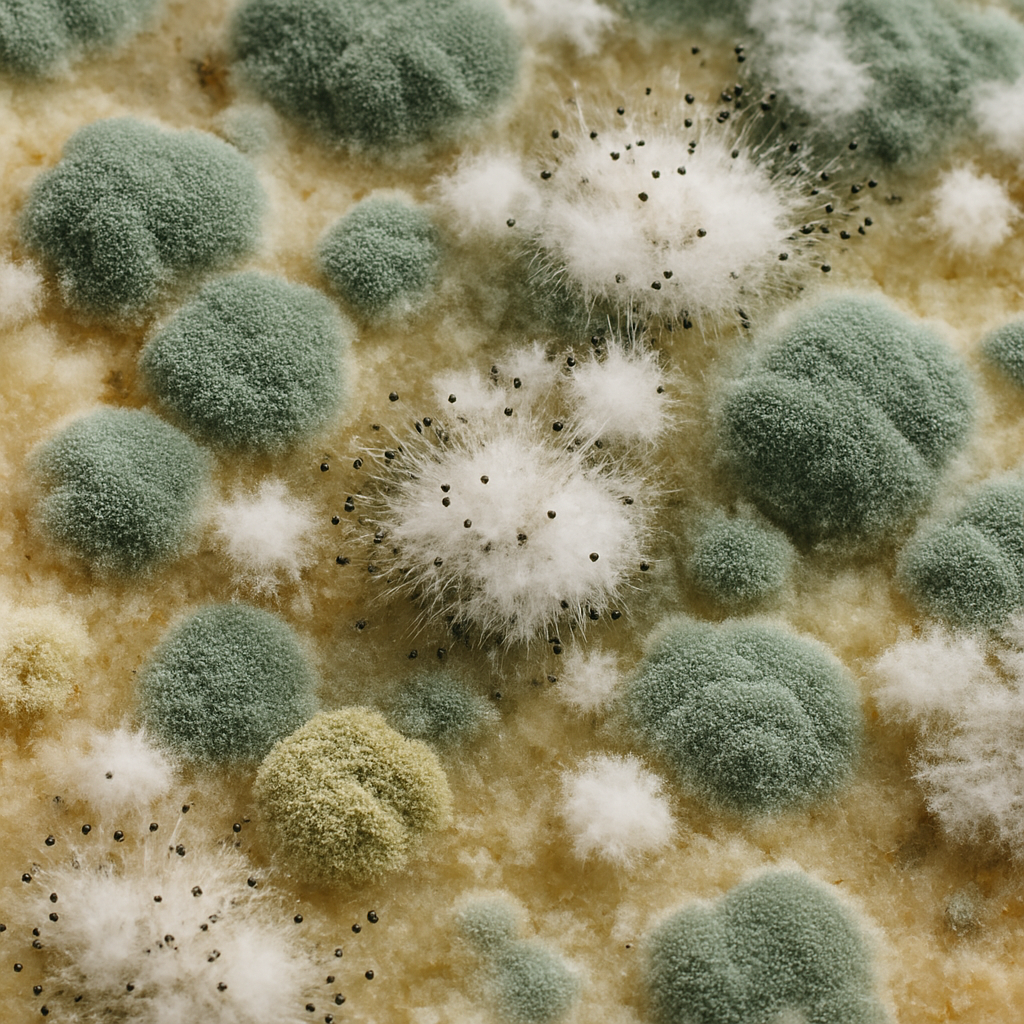
You may notice dark brown, black, or green stains appearing on the wood surface.
Water stains can also develop around walls, appliances, or entryways.
Although some stains are caused by water alone, mold can also create visible discoloration as it spreads.
Any new stains should be investigated, especially if they appear with other warning signs.
Soft or Spongy Floors
Healthy hardwood flooring feels solid under your feet.
If certain areas feel soft, spongy, or bouncy, moisture may have weakened the wood or subfloor.
This usually happens after water has remained trapped beneath the flooring for a long time.
Soft flooring should never be ignored because it may indicate both mold growth and structural damage.
Increased Allergy or Respiratory Symptoms
Sometimes the first sign of hidden mold isn't visible at all.
Instead, people living in the home may begin experiencing allergy symptoms.
Common symptoms include sneezing, coughing, watery eyes, nasal congestion, sore throat, headaches, or worsening asthma.
These symptoms may improve when you leave the house and return after spending time indoors.
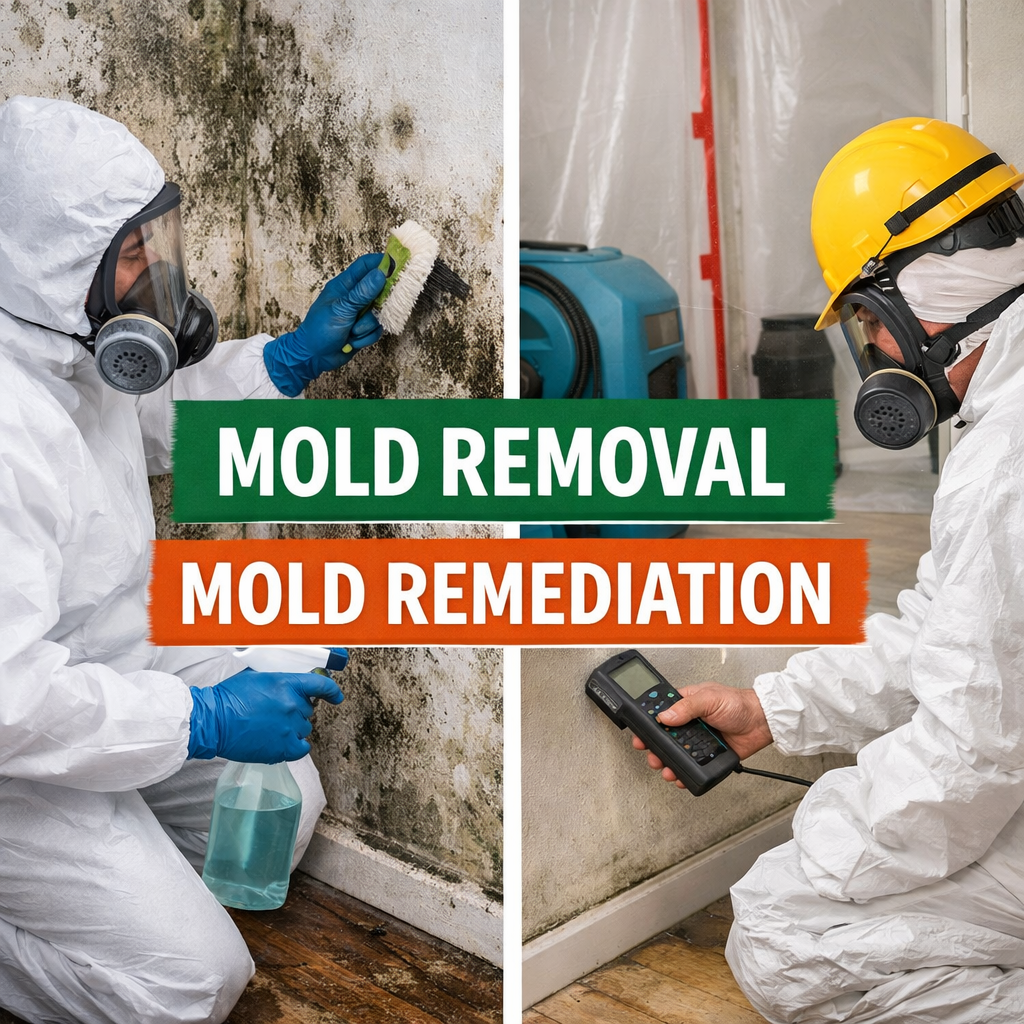
If you've found mold under your hardwood floors, don't wait for it to spread. Professional mold remediation can protect your home, improve indoor air quality, and help prevent further damage.
If you've found mold under your hardwood floors, don't wait for it to spread. Professional mold removal can protect your home and your health.
Schedule professional mold remediation with Spartan Restoration. Their experienced team will inspect the affected area, safely remove mold, and help prevent it from returning.