Mold might be hiding in your home without you even realizing it. While some types of molds are harmless, others produce toxins that can seriously affect your health. Mold toxicity occurs when certain molds release mycotoxins, which can damage your respiratory system, nervous system, and even your immune system.
Recognizing the warning signs of mold toxicity early is crucial to protecting your family and your home. In this guide, we’ll explore the 10 warning signs of mold toxicity, explain what they mean, and provide steps you can take if you suspect mold.
What Is Mold Toxicity?
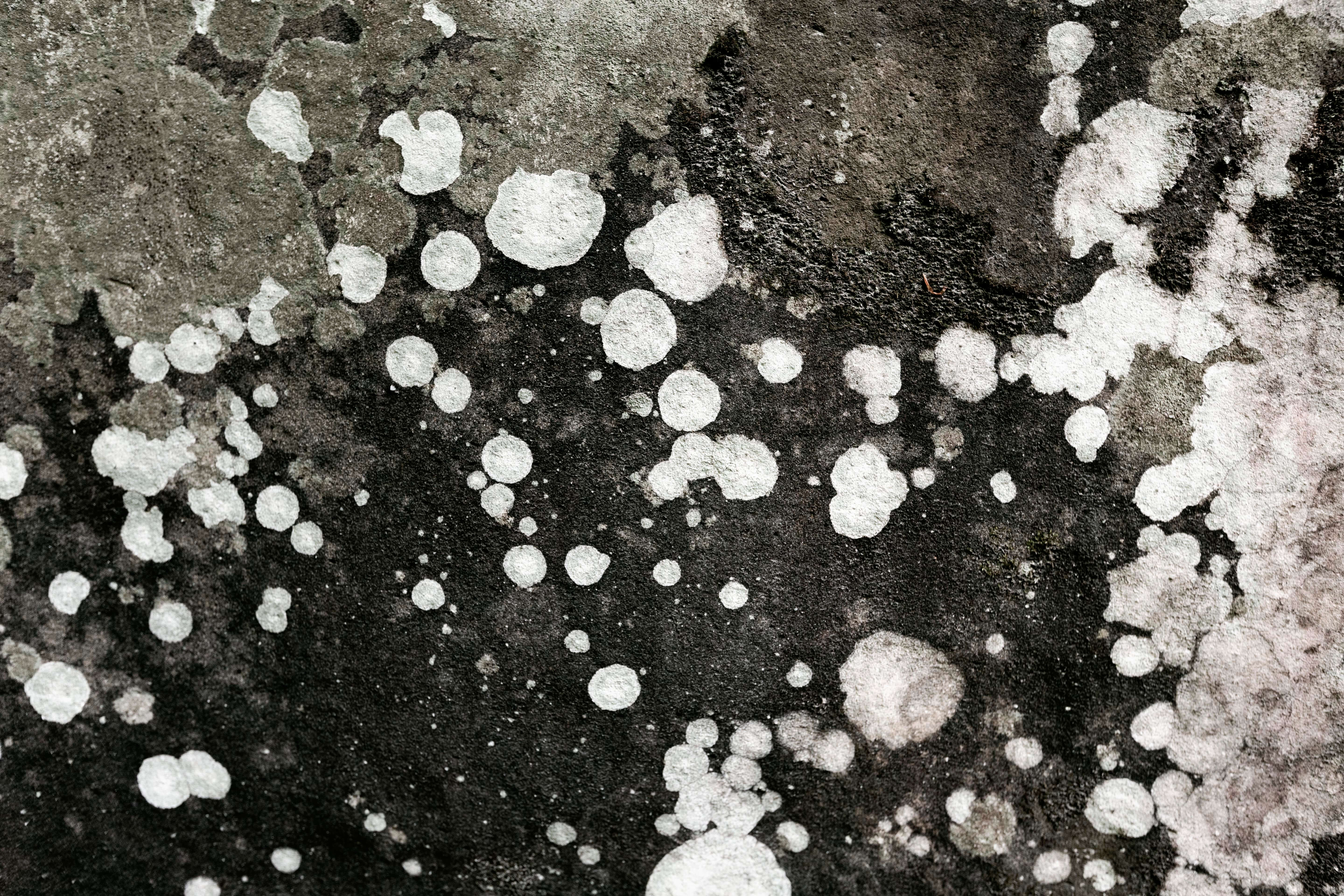
Mold toxicity is caused by exposure to toxic molds, such as Stachybotrys chartarum (commonly known as black mold). These molds produce chemicals called mycotoxins, which can affect your body in multiple ways.
The severity of symptoms depends on several factors:
- Length of exposure – longer exposure increases risk
- Amount of mold present – larger infestations produce more spores
- Individual sensitivity – children, elderly, and people with immune issues are more vulnerable
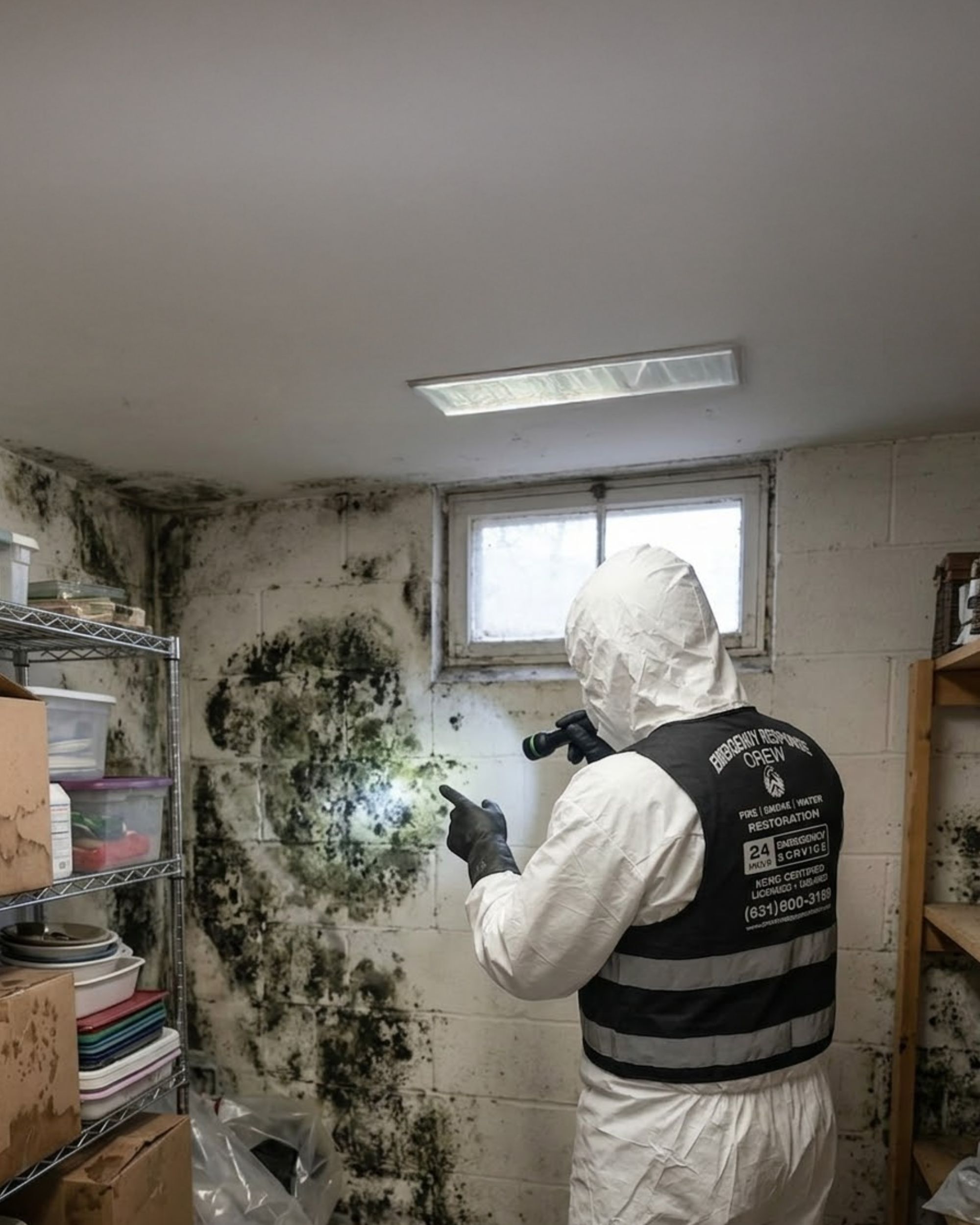
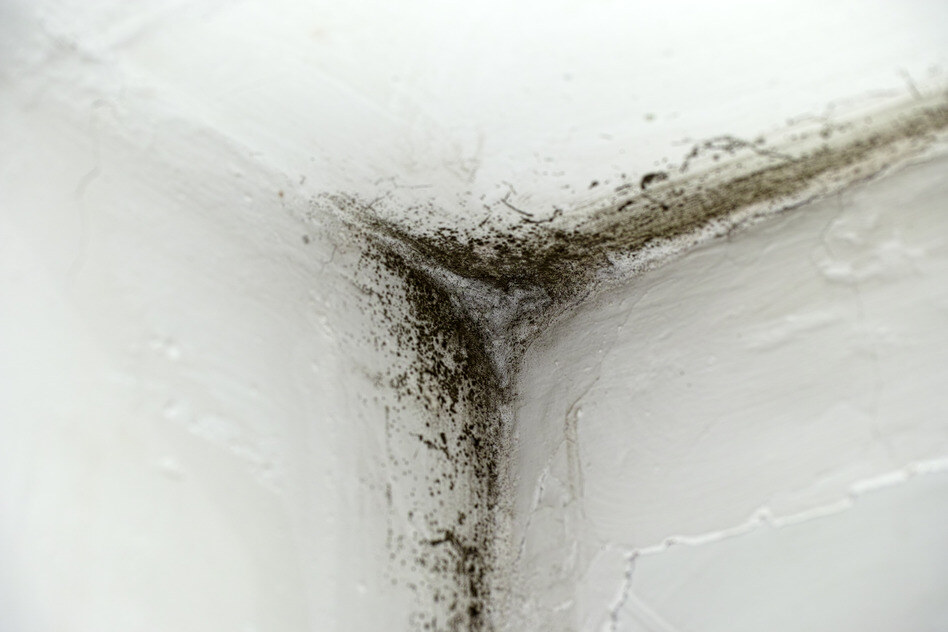
Common places where mold grows include:
- Bathrooms and kitchens with poor ventilation
- Basements or crawl spaces with moisture problems
- Around windows or walls exposed to leaks
How Mold Exposure Happens
Mold thrives in warm, damp environments. Even a small leak or high humidity can create the perfect conditions for mold growth. Common ways people are exposed include:
- Water damage from flooding or leaks – Standing water and damp areas are a breeding ground for mold. Immediate water damage restoration is essential to prevent mold.
- Poor ventilation – Bathrooms, laundry rooms, and kitchens with inadequate airflow trap moisture.
- Humidity – Homes in humid climates or with high indoor humidity levels are at risk.
Mold releases spores into the air, which you can inhale or which can settle on surfaces in your home. These spores can trigger a range of health problems, from mild allergies to serious chronic conditions.
10 Warning Signs of Mold Toxicity
Here are the 10 most common warning signs of mold toxicity. Understanding these can help you take action before it causes serious health issues.
-
Persistent Respiratory Issues
If you notice a chronic cough, wheezing, or shortness of breath, mold may be the culprit. These symptoms often resemble asthma or allergies but persist even after typical treatments.
Mold spores irritate the lungs and airways. People with preexisting respiratory conditions like asthma are especially at risk.
Tip: If you suspect your respiratory issues are linked to mold, professional air duct cleaning can remove spores circulating in your home.
- Unexplained Fatigue & Brain Fog
Are you constantly tired, even after sleeping for 8 hours? Do you feel foggy or have trouble concentrating? Mold toxins can affect your nervous system and reduce oxygen absorption, leading to:
- Low energy
- Difficulty focusing
- Memory problems
These symptoms can often be mistaken for stress, sleep deprivation, or other medical conditions. Early detection is key to preventing long-term health issues.
- Headaches & Migraines
Frequent or severe headaches and migraines are another warning sign of mold exposure. Inhaling mold spores' triggers inflammation and causes chronic pain.
Example: Someone exposed to mold in a damp basement may experience headaches after spending even short periods indoors.
Professional mold inspections can identify hidden mold behind walls or under flooring that could cause these symptoms.
- Sinus Congestion & Infections
Do you experience chronic sinus pressure or recurring sinus infections? Mold irritates the nasal passages and can trigger persistent congestion.
- Nasal inflammation can lead to infections resistant to standard treatments
- Frequent sinus headaches may indicate indoor mold exposure
If you notice these symptoms, schedule a mold assessment to find and remove the source.
- Skin Irritations
Rashes, redness, and itching are common reactions to mold exposure. Skin contact with spores can cause:
- Hives
- Eczema flare-ups
- General irritation
People with sensitive skin or allergies are particularly susceptible. Mold removal and proper home cleaning can significantly reduce these skin reactions.
- Eye Irritations
Red, watery, or itchy eyes are another warning sign. Mold spores in the air can irritate your eyes, causing sensitivity to light and general discomfort.
Tip: Ensure your home is ventilated and consider professional mold remediation if symptoms persist.
- Mood Changes & Cognitive Shifts
Mold toxicity can affect your brain, leading to:
- Anxiety or panic attacks
- Depression or mood swings
- Trouble focusing or making decisions
These symptoms often appear gradually, making them easy to ignore. Removing mold and improving air quality can help improve mood and cognitive function.
Example: Installing proper ventilation and having a professional mold remediation team treat hidden mold can drastically reduce these effects.
- Digestive Issues
Mold toxins can disrupt your digestive system, causing:
- Nausea
- Bloating
- Diarrhea
Some individuals are more sensitive, experiencing these symptoms even with minor exposure. Early detection and home remediation can prevent prolonged digestive distress.
- Chronic Infections or Frequent Illness
If you seem to catch colds or infections frequently, mold exposure may be weakening your immune system. Mold can cause chronic inflammation, leaving your body less able to fight infections.
Tip: Regular inspections and professional mold removal are essential for maintaining a healthy immune system.
- Joint or Muscle Pain
Unexplained aches, stiffness, or muscle soreness can also be a sign of mold toxicity. Chronic exposure may lead to inflammation that affects joints and muscles.
- This symptom is often overlooked because it mimics other conditions like arthritis
- Mold remediation can help reduce pain and prevent further inflammation
When to Seek Professional Help
Ignoring mold toxicity can lead to serious long-term health issues. Seek professional help if you notice:
- Multiple symptoms from the list above
- Mold or musty odors in your home
- Water damage or leaks
Spartan Restoration provides professional mold inspection, testing, and remediation. Acting early can save you from costly repairs and serious health problems.
What to Do if You Suspect Mold Toxicity
- Inspect your home for visible signs of mold.
- Avoid DIY removal for large or toxic infestations; improper handling can spread spores.
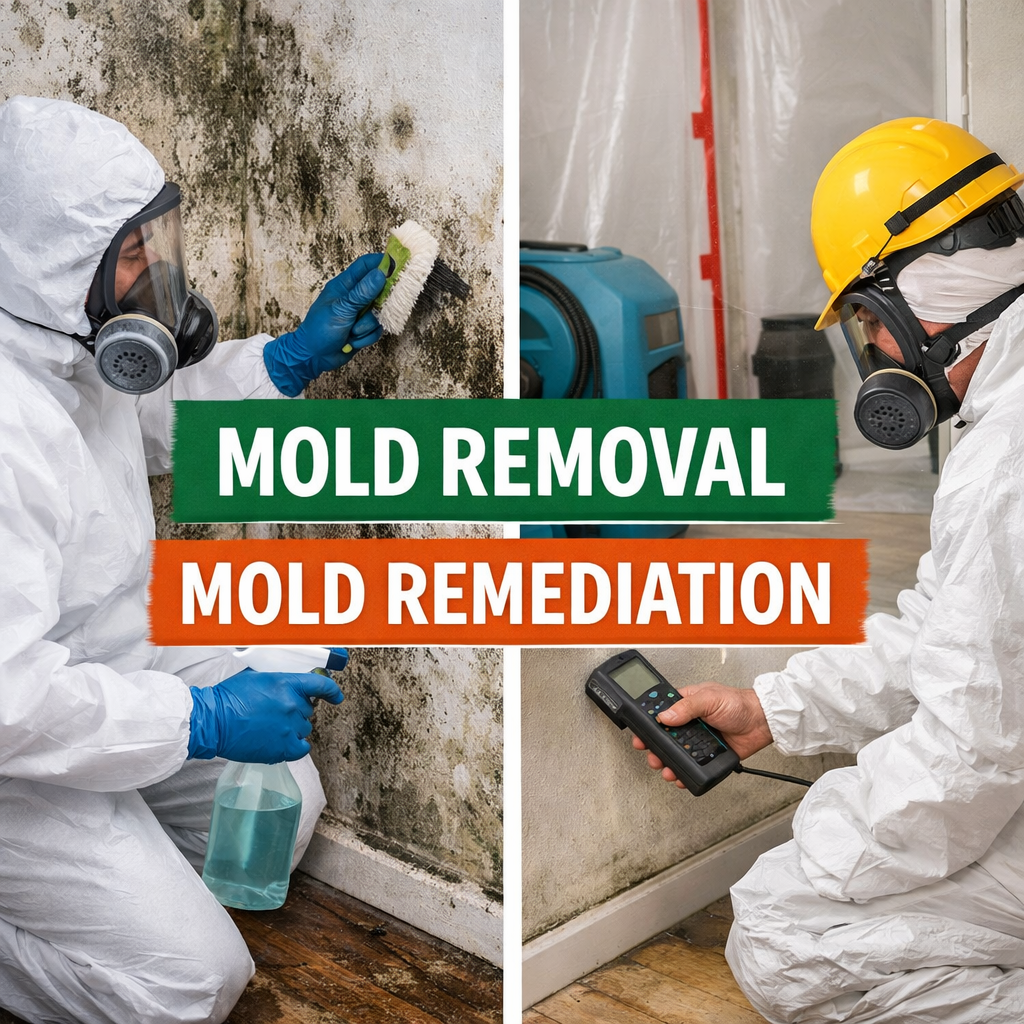
- Call a licensed professional for assessment and remediation.
Spartan Restoration offers 24/7 emergency mold remediation and can safely remove mold from any part of your home.
Preventing Mold Growth in Your Home
Prevention is key. Here’s how to keep mold out:
- Maintain indoor humidity below 50%
- Fix leaks and water damage immediately
- Ensure proper ventilation in bathrooms, kitchens, and basements
- Clean air ducts regularly through professional air duct cleaning
By staying proactive, you can prevent mold-related health issues before they start.
Conclusion
Mold toxicity can cause serious health problems if left untreated. Early detection is critical to protecting your family. Watch for symptoms like fatigue, respiratory issues, skin irritations, and mood changes.
When in doubt, trust Spartan Restoration for professional mold inspection, testing, and remediation. Their experts are available 24/7 to ensure your home is safe and mold-free. Don’t wait. Protect yourself and your family today.

If you suspect mold in your home, contact Spartan Restoration immediately. Their professional team provides mold inspection and remediation services, ensuring your home is safe and healthy.