
Types of Water Damage: Causes, and Restoration Solutions
Water damage is one of the most common problems that homeowners and business owners face. It can happen at any time and often when you least expect it. A small leak behind a wall, a burst pipe during winter, or a heavy storm can quickly cause serious damage to your property.
While some water damage may seem minor at first, it can become a major issue if left untreated. Water can weaken building materials, damage personal belongings, create electrical hazards, and lead to mold growth. The longer water sits, the more expensive the repairs often become.
Understanding the different types of water damage, what causes them, and how restoration professionals handle them can help you take the right action when a water emergency occurs. Quick response and proper restoration can reduce damage, protect your property, and help you return to normal as soon as possible.
What Is Water Damage?
Water damage refers to the destruction caused when water enters areas where it should not be. This can happen inside homes, offices, warehouses, and other buildings. Water may come from plumbing systems, appliances, storms, flooding, or sewage backups.
When water enters a property, it can soak into walls, floors, ceilings, insulation, furniture, and personal belongings. Some materials absorb water very quickly, making it difficult to see the full extent of the damage right away.
Taking immediate action is important because water damage does not stay the same. Over time, moisture spreads to surrounding areas and creates additional problems. Within a short period, mold can begin to grow, and building materials may start to weaken.
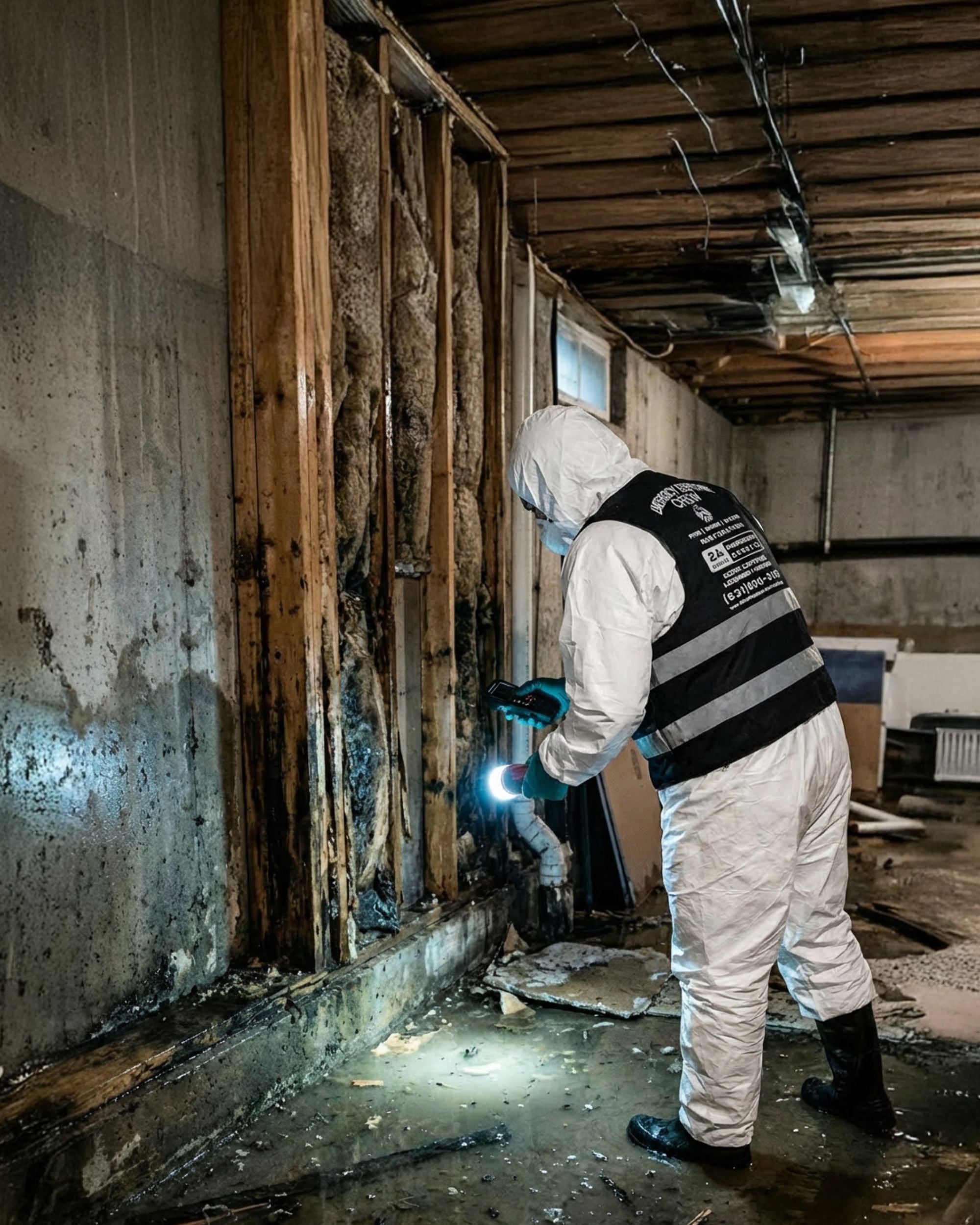
Untreated water damage can lead to several serious issues. Mold growth is one of the biggest concerns because it can affect indoor air quality and spread throughout the property. Structural damage can occur when wood begins to rot or drywall becomes soft and unstable. Water can also reach electrical systems, creating safety risks for occupants.
The faster water is removed and affected areas are dried, the better the chances of limiting damage and reducing restoration costs.
The Three Main Types of Water Damage
Not all water damage is the same. Restoration professionals classify water damage into three categories based on the level of contamination in the water. Understanding these categories helps determine the proper cleanup and restoration process.
Clean Water Damage
Clean water damage involves water that comes from a sanitary source and does not initially pose a major health risk.
This type of water damage often occurs when a water supply line bursts inside a home. It can also happen when faucets leak, sinks overflow, or roof leaks allow rainwater to enter a building.
Although clean water starts out safe, it should not be ignored. If left untreated, clean water can quickly become contaminated after coming into contact with flooring materials, dust, and other surfaces.
One of the biggest risks associated with clean water damage is property damage. Drywall can absorb moisture and become weak. Hardwood flooring may warp or buckle. Carpets and furniture can become saturated and difficult to restore.
Another concern is excess humidity. Moisture trapped inside walls and flooring can create ideal conditions for mold growth within a short time.
Professional restoration solutions for clean water damage typically include water extraction, drying, and dehumidification. Restoration specialists use specialized equipment to remove standing water and monitor moisture levels throughout the drying process. This helps ensure that hidden moisture does not remain inside the structure.
Gray Water Damage
Gray water damage involves water that contains contaminants and may cause illness if someone comes into contact with it.
Common sources of gray water include washing machine overflows, dishwasher leaks, sump pump failures, and toilet overflows that do not contain sewage.
While gray water is not as dangerous as sewage-contaminated water, it still contains microorganisms, chemicals, and other pollutants that can create health concerns. If gray water remains untreated for an extended period, it can become even more contaminated and eventually turn into black water.
The risks associated with gray water damage go beyond property damage. Exposure to contaminated water may cause irritation, illness, or allergic reactions. In addition, moisture from gray water can accelerate mold growth throughout the property.
Restoration professionals use specialized procedures when handling gray water damage. The affected area is contained to prevent contamination from spreading. Water is removed, surfaces are cleaned and sanitized, and damaged materials may be removed if they cannot be safely restored.
Professional drying and deodorization are also important because gray water often leaves behind unpleasant odors and hidden moisture.
Black Water Damage
Black water damage is the most severe and dangerous type of water damage.
This category includes sewage backups, floodwater from rivers and streams, storm surge flooding, and water contaminated with harmful bacteria, chemicals, or other hazardous materials.
Black water can contain viruses, bacteria, parasites, and toxic substances that pose serious health risks. Direct contact with this water should be avoided, and professional cleanup is strongly recommended.
In addition to health concerns, black water damage often causes widespread contamination throughout a property. Flooring, drywall, insulation, furniture, and personal belongings may need to be removed and replaced.
Restoration solutions for black water damage involve emergency containment, safe removal of contaminated materials, thorough cleaning, sanitization, and disinfection. Specialized drying equipment is used to eliminate moisture, and rebuilding services may be required to restore damaged portions of the property.
Mold prevention treatments are often included as part of the restoration process to reduce the risk of future problems.
Common Causes of Water Damage
Water damage can occur for many different reasons. Understanding the most common causes can help property owners identify potential risks before major damage occurs.
Plumbing Failures
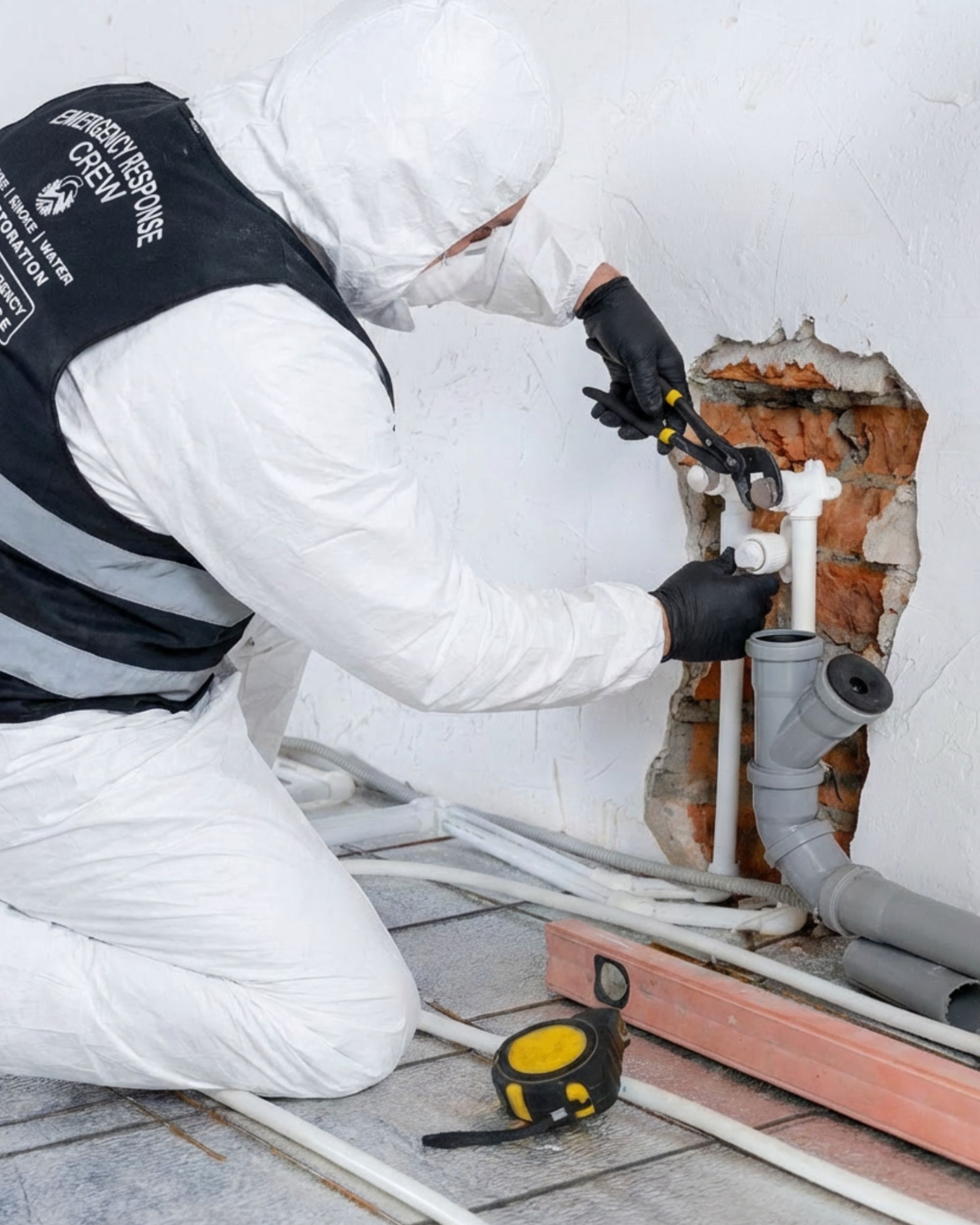
Plumbing problems are among the leading causes of water damage. Pipes can burst because of freezing temperatures, age, corrosion, or excessive water pressure. Even a small crack in a pipe can release a significant amount of water over time.
Hidden leaks are especially dangerous because they often go unnoticed for weeks or months. During that time, water can damage walls, ceilings, and flooring while creating conditions for mold growth.
Appliance Malfunctions
Many household appliances rely on water connections. Water heaters, washing machines, dishwashers, and refrigerators can all develop leaks.
A worn washing machine hose or damaged dishwasher connection can suddenly fail and release large amounts of water into the home. Regular maintenance and inspections can help reduce the risk of appliance-related water damage.
Weather-Related Events
Severe weather is another major cause of water damage. Heavy rainfall, flash floods, hurricanes, and strong storms can overwhelm drainage systems and allow water to enter buildings.
Even properties that are not located in designated flood zones can experience water intrusion during extreme weather events.
Roof and Structural Issues
Roof damage can allow water to enter a property during rainstorms. Missing shingles, cracked flashing, and damaged roofing materials can all contribute to leaks.
Foundation cracks and poor drainage around the property can also allow water to seep into basements and crawl spaces.
HVAC System Problems
Heating and cooling systems can create water-related issues if they are not properly maintained. Air conditioning units produce condensation, which must be drained away safely.
Clogged drain lines, overflowing condensate pans, and damaged HVAC components can all result in water leaks inside the property.
Signs You Have Water Damage
Water damage is not always easy to spot. In some cases, the signs are obvious, such as standing water on the floor after a burst pipe. In other situations, damage can remain hidden behind walls, under flooring, or above ceilings for weeks before becoming noticeable.
One of the most common signs of water damage is discoloration on walls or ceilings. Yellow, brown, or dark stains often indicate that water has entered the area. These stains may continue to grow if the source of the leak is not repaired.
Warped flooring is another warning sign. Hardwood floors may begin to buckle or lift, while laminate flooring can swell and separate. Carpets may feel damp or develop unusual odors.
Peeling paint and bubbling wallpaper can also indicate excess moisture behind walls. When water enters drywall, it weakens the adhesive that holds paint and wallpaper in place.
Many homeowners first notice water damage because of a musty smell. Persistent odors often signal hidden moisture and possible mold growth. Even if no visible damage is present, unusual odors should be investigated quickly.
Mold growth is another major warning sign. Mold may appear as black, green, white, or gray spots on walls, ceilings, or other surfaces. Because mold can spread rapidly, immediate action is important.
An unexpected increase in water bills may also point to hidden leaks. A damaged pipe behind a wall or under a floor can waste significant amounts of water before the problem becomes visible.
If you notice any of these signs, it is important to identify the source and address the issue as soon as possible. Early detection can prevent more extensive damage and reduce restoration costs.
Why Professional Water Damage Restoration Matters
Some property owners attempt to handle water damage on their own. While this may seem like a cost-saving option, professional restoration services often provide better results and help prevent future problems.
One of the biggest advantages of hiring professionals is speed. Water damage restoration companies are trained to respond quickly. The sooner water is removed and affected materials are dried, the less damage the property is likely to experience.
Professional restoration teams also use advanced equipment that is not typically available to homeowners. Industrial water extractors, air movers, dehumidifiers, moisture meters, and thermal imaging cameras help identify and remove moisture more effectively.
Hidden moisture is one of the biggest challenges after water damage. Even when surfaces appear dry, water may remain trapped inside walls, insulation, flooring, and structural materials. If this moisture is not removed, mold growth and structural damage can continue long after the visible water is gone.
Professional restoration technicians know how to locate hidden moisture and ensure that affected areas are dried completely. This reduces the risk of ongoing damage and helps protect the long-term integrity of the property.
Health and safety are also important considerations. Gray water and black water damage can expose occupants to harmful bacteria, viruses, and contaminants. Restoration professionals follow strict safety procedures to contain contaminated areas and perform proper cleaning and sanitization.
Many restoration companies also assist with insurance claims. They can document the damage, provide detailed reports, and communicate with insurance providers throughout the claims process. This support can help property owners navigate what is often a stressful situation.
Ultimately, professional water damage restoration helps save time, reduce risks, and restore properties more efficiently than many do-it-yourself approaches.
Preventing Future Water Damage
While it is impossible to prevent every water damage emergency, there are several steps property owners can take to reduce their risk.
Regular plumbing inspections are one of the most effective ways to catch problems early. Small leaks, corrosion, and aging pipes can often be repaired before they cause major damage.
Appliances should also be inspected regularly. Water supply lines connected to washing machines, dishwashers, refrigerators, and water heaters should be checked for signs of wear or deterioration. Replacing aging hoses and fittings can help prevent sudden failures.
Proper roof maintenance is equally important. Roof inspections should be performed at least once a year and after major storms. Missing shingles, damaged flashing, and clogged roof drainage systems should be repaired promptly.
Gutters and downspouts play an important role in directing water away from the property. When gutters become clogged with leaves and debris, water can overflow and damage the roof, siding, and foundation. Regular cleaning helps ensure proper drainage.
Property owners should also pay attention to grading around the home. The ground should slope away from the foundation to prevent water from collecting near the structure. Poor drainage can lead to basement flooding and foundation damage.
HVAC systems require routine maintenance as well. Condensate drain lines should be cleaned regularly to prevent blockages that can lead to water leaks.
Many homeowners are also choosing to install leak detection devices. These smart systems can monitor plumbing systems and alert property owners when unusual water usage or leaks are detected. Some systems can even shut off the water supply automatically to prevent extensive damage.
Creating a maintenance schedule for plumbing, roofing, appliances, and drainage systems can significantly reduce the likelihood of future water damage.
The Importance of Acting Fast After Water Damage
Time is one of the most important factors when dealing with water damage. The first few hours after a water intrusion event often determine how extensive the damage will become.
Within minutes, water can begin spreading throughout a property. Carpets, furniture, drywall, and personal belongings can absorb moisture quickly. As water continues to move, it may reach additional rooms and structural components.
Within the first 24 to 48 hours, mold growth can begin to develop in damp conditions. Moisture trapped behind walls or under flooring creates an ideal environment for mold spores to thrive.
As days pass, structural materials may weaken. Drywall can become soft and crumble. Wood framing may swell, warp, or rot. Flooring materials may require replacement if drying efforts are delayed.
Quick action helps reduce these risks. Shutting off the water source, removing standing water, and contacting a professional restoration company can significantly limit damage and speed up recovery.
The sooner restoration begins, the greater the chance that materials can be saved rather than replaced. This often results in lower repair costs and a faster return to normal life.
Conclusion
Water damage can occur in many forms, from a small plumbing leak to a major flood or sewage backup. Understanding the different categories of water damage is an important first step in determining the proper response.
Clean water damage may start with relatively safe water sources, but it can still cause significant property damage if not addressed quickly. Gray water introduces contamination concerns that require specialized cleaning and sanitization. Black water poses serious health risks and demands immediate professional attention.
Many factors can contribute to water damage, including plumbing failures, appliance malfunctions, severe weather, roof leaks, foundation issues, and HVAC problems. Knowing the warning signs and acting quickly can help reduce damage and prevent costly repairs.
Professional water damage restoration services play a critical role in protecting both property and health. With specialized equipment, industry expertise, and thorough drying techniques, restoration professionals can help return properties to a safe and healthy condition.
While prevention measures can reduce risk, water emergencies can still happen unexpectedly. When they do, a fast response and professional restoration support can make all the difference.
Need Help Restoring Your Property After Water Damage?
Whether you're dealing with a burst pipe, flooding, a leaking appliance, or a sewage backup, taking action quickly can help reduce damage and prevent costly repairs. Spartan Restoration provides professional water damage restoration services to help homeowners and businesses recover from water-related emergencies.
From water extraction and structural drying to complete restoration, their experienced team is equipped to restore your property safely and efficiently. Contact Spartan Restoration today for fast, reliable assistance when water damage strikes.

.jpg)