
How to Improve Indoor Air Quality Simple Steps for a Healthier Home
Most people spend a large part of their day indoors. Whether you are at home, working remotely, or sleeping, the air inside your house has a direct effect on your health and comfort. Many homeowners focus on keeping their homes clean, but they often overlook the quality of the air they breathe every day.
Poor indoor air quality can lead to allergies, headaches, coughing, fatigue, and other health concerns. In some cases, it may even worsen asthma and other breathing conditions. The good news is that improving indoor air quality does not always require major changes. Simple steps such as increasing ventilation, controlling moisture, and keeping your HVAC system maintained can make a big difference.
In this guide, we will explain what indoor air quality is, what causes indoor air pollution, and how you can create a healthier home environment for your family.
What Is Indoor Air Quality (IAQ)?
Indoor Air Quality, often called IAQ, refers to the condition of the air inside a building. It measures how clean and healthy the indoor air is for the people living or working there.
Many different pollutants can affect indoor air quality. These include dust, pet dander, mold spores, smoke, chemicals from household products, and bacteria. When these pollutants build up indoors, they can make the air unhealthy to breathe.
Many people are surprised to learn that indoor air can sometimes be more polluted than outdoor air. Modern homes are designed to be energy efficient, which means they are sealed tightly to prevent air loss. While this helps reduce energy costs, it can also trap pollutants inside and limit fresh airflow.
Signs of Poor Indoor Air Quality
Indoor air problems are not always easy to see. However, there are several warning signs that may indicate your home's air quality needs attention.
One common sign is frequent allergy symptoms. If family members often experience sneezing, coughing, congestion, or itchy eyes while indoors, poor air quality may be contributing to the problem.
Persistent odors can also be a warning sign. Musty smells, smoke odors, or lingering unpleasant scents often indicate mold growth, moisture issues, or trapped pollutants.
Excess dust is another clue. If dust quickly returns after cleaning, your home's air may contain high levels of airborne particles.
Mold growth and moisture problems should never be ignored. Mold releases tiny spores into the air that can affect both your home and your health.
Some people may also experience headaches, fatigue, dizziness, or eye irritation when indoor air quality is poor. If these symptoms improve when leaving the house, the indoor environment may be the cause.
Common Sources of Indoor Air Pollution
Understanding where pollutants come from is the first step toward improving indoor air quality.
Dust and Pet Dander
Dust is one of the most common indoor pollutants. It contains tiny particles from dirt, fabrics, pollen, and skin cells. Pet dander, which consists of small flakes of skin shed by animals, can also circulate through the air.
When dust and dander build up, they can trigger allergies and breathing problems. Homes with pets often require more frequent cleaning to keep these particles under control.
Mold and Mildew
Mold thrives in damp environments where moisture is present. Leaky pipes, roof leaks, flooding, and high humidity levels can all create ideal conditions for mold growth.
As mold spreads, it releases spores into the air. These spores can cause allergy symptoms, respiratory irritation, and unpleasant odors. In severe cases, mold can damage building materials and reduce indoor air quality throughout the home.
Volatile Organic Compounds (VOCs)
Volatile Organic Compounds, or VOCs, are chemicals released from many household products. Common sources include paints, cleaning products, air fresheners, furniture, carpets, and adhesives.
These chemicals can affect indoor air quality and may cause headaches, dizziness, or irritation of the eyes and throat. Choosing low-VOC products can help reduce exposure.
Smoke and Combustion Pollutants
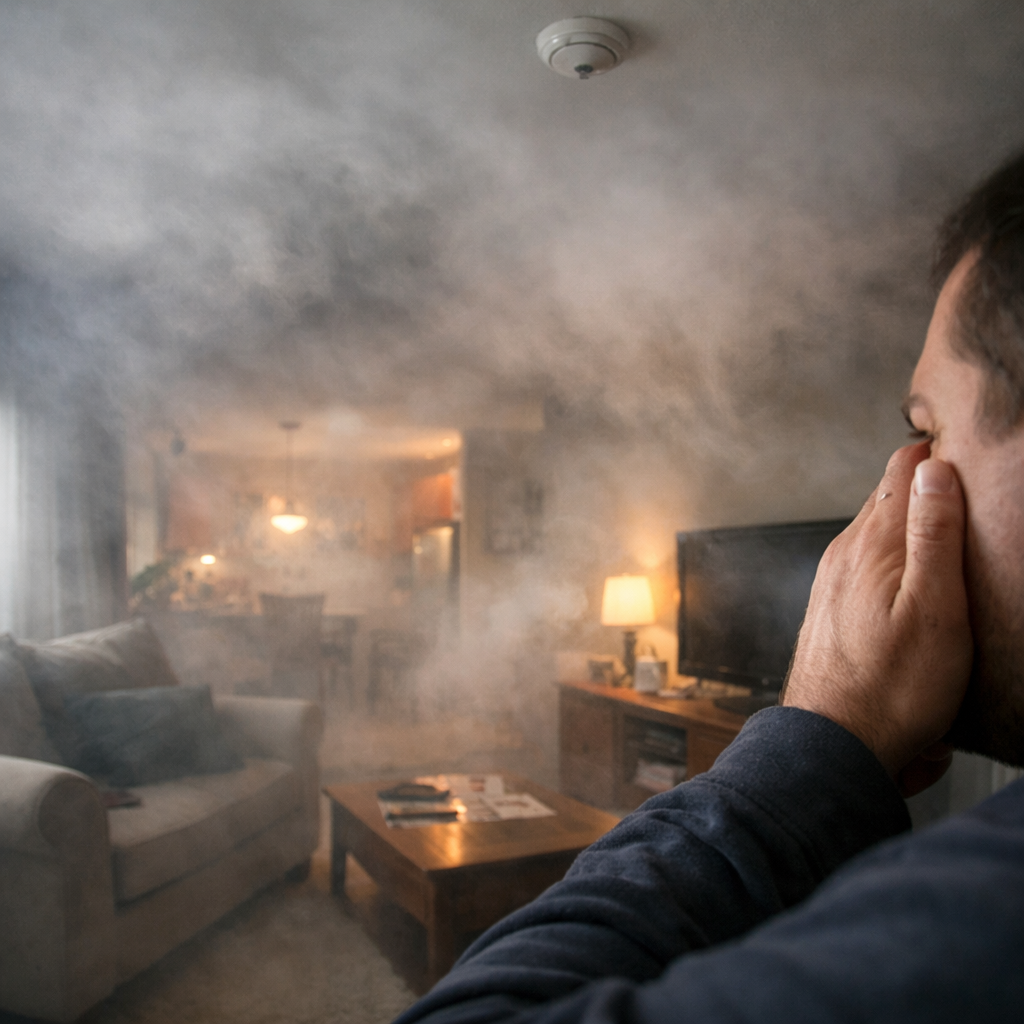
Smoke is another major source of indoor air pollution. Tobacco smoke contains thousands of chemicals that can remain in the air and on surfaces long after smoking has stopped.
Cooking can also release particles into the air, especially when frying food. Gas stoves, fireplaces, and other fuel-burning appliances may produce pollutants if they are not properly maintained.
Simple Steps to Improve Indoor Air Quality
Improving indoor air quality does not have to be complicated. Small changes can make a noticeable difference.
Increase Ventilation
Fresh air helps remove indoor pollutants and improve airflow throughout the home. Opening windows when weather conditions allow is one of the easiest ways to improve ventilation.
Exhaust fans in kitchens and bathrooms also help remove moisture, odors, and airborne contaminants. Good airflow prevents pollutants from becoming trapped indoors and helps maintain a healthier environment.
Change HVAC Filters Regularly
Your HVAC system plays a major role in indoor air quality. Air filters capture dust, pollen, and other airborne particles before they circulate throughout your home. Homeowners looking for reliable Cornelius HVAC contractors can benefit from professional HVAC maintenance to keep their systems running efficiently and improve indoor comfort.
When filters become dirty, they lose effectiveness and can restrict airflow. Most homeowners should replace filters every one to three months, depending on filter type, household conditions, and the presence of pets.
Regular filter changes help maintain cleaner air and improve HVAC performance.
Control Indoor Humidity
Humidity levels have a significant impact on indoor air quality. Excess moisture can encourage mold growth, while very dry air may cause irritation and discomfort.
Experts generally recommend keeping indoor humidity levels between 30% and 50%. Dehumidifiers and air conditioners can help maintain proper humidity levels, especially during humid seasons.
By controlling moisture, homeowners can reduce the risk of mold and improve overall comfort.
Keep Your Home Clean
Regular cleaning helps remove many common indoor pollutants. Vacuuming carpets, dusting surfaces, and cleaning upholstery can reduce the amount of dust circulating in the air.
Using a vacuum equipped with a HEPA filter can improve particle removal. Washing bedding, curtains, and other fabrics also helps reduce allergens that collect over time.
A clean home often leads to cleaner air and a healthier living environment.
Reduce Indoor Pollutants
Limiting the sources of indoor pollution can significantly improve air quality. When purchasing paints, cleaners, or home improvement materials, choose products labeled as low-VOC whenever possible.
Avoid smoking indoors and properly store chemicals in sealed containers. Reducing exposure to pollutants helps create a safer indoor environment for everyone in the household.
Use Air Purifiers
Air purifiers can help remove airborne particles that affect indoor air quality. They are especially useful for households with pets, allergy sufferers, or people with respiratory conditions.
When shopping for an air purifier, look for a model that uses a HEPA filter. HEPA filters are designed to capture very small particles, including dust, pollen, pet dander, and some mold spores. Choosing the right size purifier for your room will help ensure the best performance.
While air purifiers can improve air quality, they should be used along with regular cleaning and proper ventilation for the best results.
Maintain HVAC Systems
Your heating and cooling system helps circulate air throughout your home. If the system is not properly maintained, it can spread dust and other pollutants.
Schedule regular HVAC inspections to ensure the system is operating efficiently. Professional maintenance can identify issues before they become major problems and help improve indoor air quality.
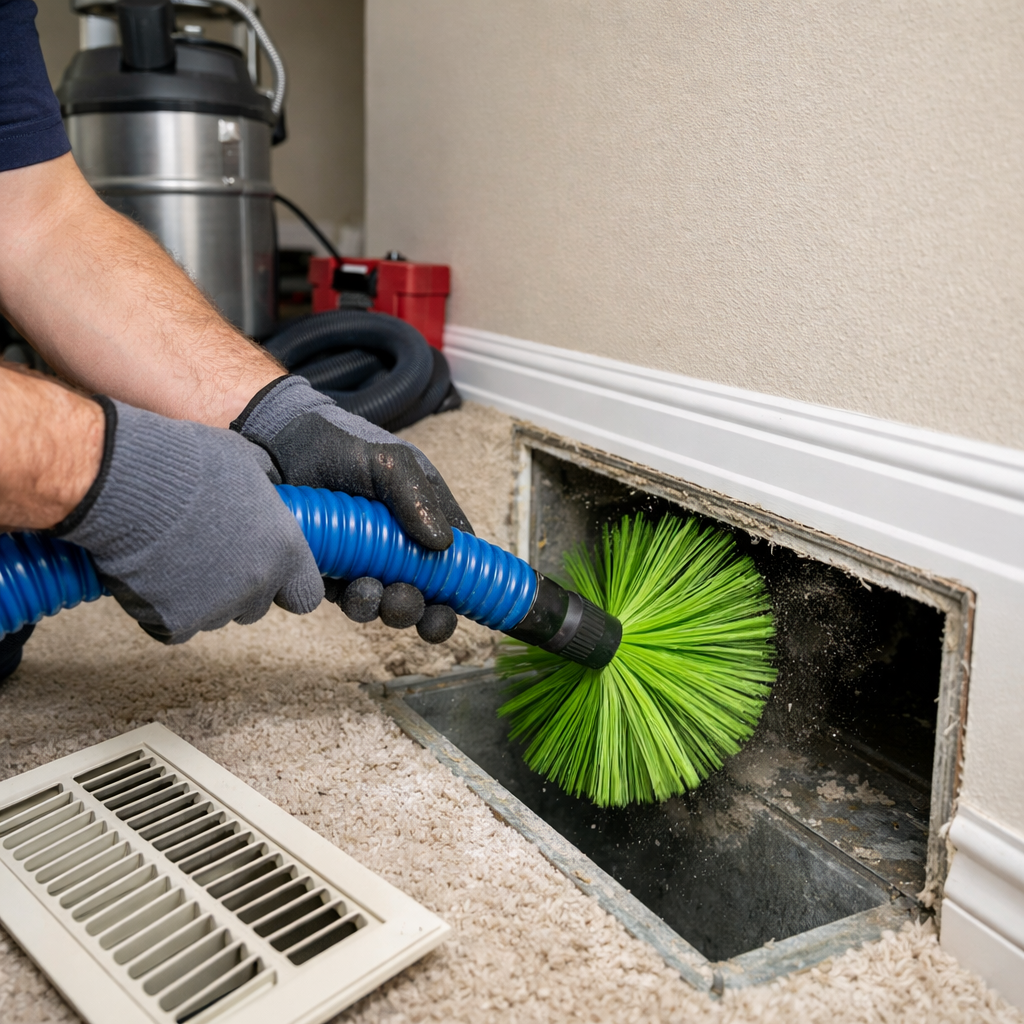
In some cases, air ducts may need cleaning. If ducts contain excessive dust, debris, or mold growth, professional cleaning may help improve airflow and reduce pollutants.
The Role of Mold Prevention in Indoor Air Quality
Mold is one of the most serious threats to indoor air quality. Even a small mold problem can release spores into the air and affect the comfort of your home.
The best way to prevent mold is to address moisture problems as soon as they appear. Water leaks, flooding, condensation, and high humidity levels should never be ignored. Prompt repairs can prevent mold from developing and spreading.
Homeowners should regularly inspect areas where moisture is common, such as bathrooms, basements, crawl spaces, kitchens, and attics. Early detection can help prevent costly damage and health concerns.
In some situations, mold growth may be hidden behind walls, under flooring, or inside HVAC systems. If mold continues to return or covers a large area, professional mold remediation may be necessary to fully remove the contamination and address the source of the moisture.
Benefits of Better Indoor Air Quality
Improving indoor air quality offers many benefits for both your health and your home.
Improved Respiratory Health
Cleaner air can help reduce breathing problems and support overall lung health. This is especially important for people with asthma, allergies, or other respiratory conditions.
Reduced Allergy Symptoms
Removing dust, pollen, mold spores, and pet dander from the air can help decrease allergy symptoms such as sneezing, coughing, and itchy eyes.
Better Sleep Quality
Fresh, clean air can contribute to more comfortable sleeping conditions. People often sleep better when indoor pollutants and allergens are reduced.
Enhanced Comfort and Overall Well-Being
A home with good indoor air quality feels cleaner, fresher, and more comfortable. Better air quality can also reduce unpleasant odors and create a healthier environment for the entire family.
When to Seek Professional Help
While many indoor air quality problems can be managed with regular maintenance, some situations require professional assistance.
Persistent odors that do not go away after cleaning may indicate hidden mold, water damage, or other air quality issues. Visible mold growth should also be taken seriously, especially if it continues to return after cleaning.
If family members experience unexplained health symptoms that seem worse indoors, it may be time to investigate the air quality in the home. Professional indoor air quality testing can help identify pollutants and determine the source of the problem.
Water damage, sewage backups, fire damage, and extensive mold contamination often require specialized equipment and professional restoration services to ensure the property is safe and healthy.
Conclusion
Indoor air quality plays an important role in the health and comfort of your home. Pollutants such as dust, pet dander, mold, smoke, and household chemicals can affect the air you breathe every day.
Fortunately, there are many simple ways to improve indoor air quality. Increasing ventilation, changing HVAC filters, controlling humidity, cleaning regularly, reducing indoor pollutants, and maintaining your HVAC system can all make a positive difference.
Taking a proactive approach can help prevent larger problems and create a healthier living environment for your family. By addressing air quality concerns early, homeowners can enjoy cleaner air, greater comfort, and improved peace of mind.
Improving indoor air quality starts with controlling moisture, reducing pollutants, and addressing mold problems before they spread. If your home has experienced water damage, mold growth, sewage contamination, smoke damage, or persistent odors, professional restoration services can help create a cleaner and healthier living space.
Spartan Restoration specializes in mold remediation, water damage restoration, fire and smoke damage restoration, sewage cleanup, odor removal, air duct cleaning, storm damage recovery, emergency board-up services, and construction and renovation services.
Their experienced team is available 24/7 to respond quickly and restore your property safely and efficiently. Whether you need emergency cleanup, mold removal, or complete restoration services, Spartan Restoration is ready to help.

.jpg)