
How Modern Restoration Equipment Improves Cleanup and Recovery
Property damage can happen at any time. Water leaks, fires, storms, mold growth, and sewage backups can quickly damage a home or business. When this happens, fast and proper cleanup is very important. The longer damage sits, the worse it becomes.
In the past, restoration work relied on basic tools like fans, pumps, and manual inspection. While these tools still have a place, they are no longer enough for today’s complex damage situations. Modern restoration equipment has changed how cleanup and recovery work is done.
Today’s tools are faster, more accurate, and more powerful. They help restoration teams find hidden damage, dry buildings faster, and reduce health risks. This means homes and businesses can recover more quickly and with less long-term damage.
Modern technology now plays a big role in reducing downtime, lowering repair costs, and making sure properties are safe again.
The Role of Technology in Modern Restoration
From Traditional Methods to Advanced Equipment
In the past, restoration work depended heavily on visual checks and simple drying methods. Technicians would look for visible water, place fans in affected areas, and wait for things to dry. This process was slow and often missed hidden moisture.
Today, restoration uses advanced systems that measure, detect, and track damage. Equipment like moisture meters and thermal cameras can find water behind walls and under floors. Industrial machines can remove water faster and dry structures more evenly. These tools help professionals work with more accuracy and less guesswork.
Why Speed and Accuracy Matter
Speed is one of the most important parts of restoration work. Water damage, for example, can lead to mold growth in just a short time. When moisture stays trapped inside walls or flooring, it creates the perfect environment for mold to grow.
Fast and accurate work also helps prevent structural damage. Wood, drywall, and insulation can weaken if they stay wet too long. This can lead to expensive repairs or even full replacements.
Quick response also protects health. Mold, bacteria, and smoke particles can affect indoor air quality. Faster cleanup reduces exposure and keeps people safer. For businesses, faster recovery also means less downtime and fewer financial losses.
Moisture Detection and Assessment Tools
Moisture Meters
Moisture meters are one of the most important tools in modern restoration. They help technicians measure how much moisture is inside materials like wood, drywall, and concrete.
Without this tool, hidden water damage can easily be missed. Moisture meters allow professionals to detect problem areas early, even when surfaces look dry. This helps prevent long-term issues like mold growth and structural weakening.
Thermal Imaging Cameras
Thermal imaging cameras take restoration accuracy to another level. These cameras detect temperature differences inside walls, ceilings, and floors. Since moisture changes temperature patterns, hidden water can be seen through thermal imaging.
This tool is very helpful because it does not require cutting into walls or removing materials right away. It allows technicians to inspect large areas quickly and safely while reducing unnecessary damage to the property.
Benefits of Advanced Detection
Modern detection tools make the entire restoration process more efficient. Problems are found faster, which means repairs can start sooner. This reduces the need for demolition because technicians know exactly where the damage is located.
It also helps create a more accurate restoration plan. Instead of guessing, teams can make decisions based on real data. This leads to better results and lower overall costs.
High-Powered Water Extraction Equipment
Industrial Water Extractors
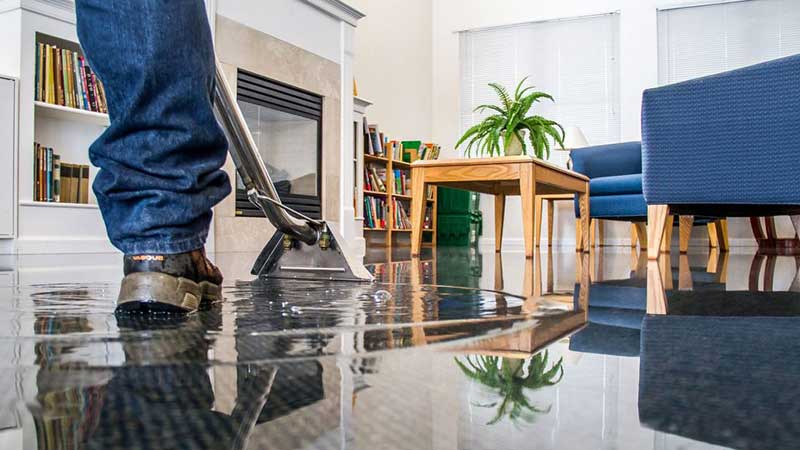
When flooding or major leaks happen, standing water must be removed quickly. Industrial water extractors are designed for this exact purpose. They are much stronger than regular wet vacuums and can remove large amounts of water in a short time.
These machines are used in homes, offices, and commercial buildings. They help stop water from soaking deeper into floors and walls.
Importance of Fast Water Removal
Removing water quickly is one of the most important steps in restoration. The longer water stays in a structure, the more damage it causes. It can spread into wood, insulation, and even concrete.
Fast extraction helps prevent materials from breaking down. It also reduces the chance of mold growth and long-term structural problems. In many cases, quick water removal can save materials that would otherwise need to be replaced.
Advanced Structural Drying Equipment
Air Movers
Air movers are powerful fans designed for restoration work. They create high-speed airflow that helps moisture evaporate faster from wet surfaces.
Unlike regular fans, air movers are built to focus airflow in a specific direction. This helps dry floors, walls, and furniture more quickly and evenly.
Commercial Dehumidifiers
Dehumidifiers are just as important as air movers. While air movers push moisture into the air, dehumidifiers remove that moisture from the environment.
Without dehumidifiers, moisture would stay in the air and slow down the drying process. These machines help control humidity levels and prevent secondary damage caused by damp air.
Integrated Drying Systems
Air movers and dehumidifiers work best when used together. This creates a controlled drying environment where moisture is removed from both surfaces and the air at the same time.
This system speeds up the drying process and ensures that all hidden moisture is removed. It also reduces the risk of mold and structural damage.
Air Quality and Contamination Control
HEPA Air Scrubbers
Air scrubbers are used to clean the air during restoration work. HEPA filters inside these machines capture very small particles like mold spores, dust, and smoke.
This is important because damaged buildings often have poor air quality. Air scrubbers help make the environment safer for both workers and occupants.
Negative Air Machines
Negative air machines are used to control contaminated air. They create controlled airflow that prevents harmful particles from spreading to clean areas of the building.
This is especially important during mold removal or sewage cleanup. It keeps contamination contained and reduces health risks.
Health and Safety Benefits
Clean air is a major part of safe restoration work. These machines help protect people from breathing in harmful particles. They also reduce the chance of contamination spreading to other parts of the property.
This makes the entire cleanup process safer and more controlled.
Specialized Restoration Equipment by Damage Type
Different types of damage require different tools
Water damage cleanup uses water damage restoration equipment like moisture meters, extractors, air movers, and dehumidifiers to remove water and dry materials properly.
Mold remediation requires HEPA filtration systems and containment equipment to safely remove spores and prevent spreading.
Fire and smoke damage cleanup uses air scrubbers and odor removal tools to clean air and remove strong smells.
Sewage and biohazard cleanup requires strong disinfecting equipment and protective barriers to ensure safe removal of harmful waste.
Each type of equipment is designed to handle specific risks and ensure proper cleanup.
How Modern Equipment Speeds Up Recovery
Modern restoration tools greatly reduce recovery time. Faster drying means less waiting. Better detection means fewer surprises. Less demolition means lower costs.
Another major improvement is restoration equipment tracking. This is a modern system that allows technicians to monitor drying progress in real time. It helps track moisture levels, temperature, and humidity during the entire project.
With restoration equipment tracking, technicians can see if equipment is working properly or needs adjustment. This improves accuracy and helps avoid delays.
Modern systems also improve insurance claims. Many tools now provide digital reports that show proof of damage and drying progress. This helps speed up claim approval.
Overall, modern tools reduce the risk of secondary damage like mold growth, structural weakening, and odor problems.
The Future of Restoration Technology
Smart Monitoring Systems
Restoration technology is becoming smarter. New systems can track moisture levels in real time. Some tools even allow remote monitoring so technicians can see progress without being on-site.
This helps improve accuracy and reduces delays during projects.
Data-Driven Restoration
Modern restoration is becoming more data-based. Instead of guessing where to place equipment, technicians use readings and software to guide their decisions.
This leads to better results, faster drying times, and more efficient use of equipment.
Conclusion
Modern restoration equipment has completely changed how cleanup and recovery work. It makes the process faster, safer, and more accurate. From detecting hidden moisture to improving air quality, these tools help reduce damage and speed up recovery.
Using professional-grade equipment also ensures better results and long-term protection for homes and businesses. It reduces costs, prevents secondary damage, and improves safety for everyone involved.
If you are dealing with water, fire, mold, sewage, or storm damage, fast response and the right equipment make all the difference in preventing further loss and restoring your property properly.
For professional, technology-driven restoration services, contact Spartan Restoration today.

.jpg)