Fire Hazards in the Home and What to Do If a Fire Happens
Fire hazards are everyday risks in the home that can start or make a fire worse. They might seem small or harmless, like leaving a candle burning, overloading an electrical outlet, or placing paper near a heater. But even a small mistake can quickly turn into a serious fire if the right conditions are present. Understanding these hazards and knowing how to respond is essential to keep your family and property safe.
Fire safety matters because homes are full of materials that burn easily. Furniture, curtains, paper, and certain cleaning products can allow a fire to spread within minutes. Fires move fast and often leave little time to react, which is why every household needs a plan to prevent fire and handle emergencies.
If a fire has already caused damage to your home, acting quickly is important. Professional fire damage restoration services from Spartan Restoration can help restore your home safely and efficiently, removing smoke, soot, and structural damage so you can get back to normal as soon as possible.
Common Fire Hazards in the Home
The kitchen is one of the most common places for fires to start. Cooking might seem harmless, but leaving food unattended on the stove can cause overheating or burning in just a few minutes. Grease fires can flare up suddenly and spread quickly if not handled correctly. Even small mistakes like placing paper towels, packaging, or other items too close to the stove can start a fire.
Electrical hazards are another major risk in the home. Overloaded outlets, frayed cords, or old appliances can spark a fire without warning. Many homeowners do not realize how dangerous worn or damaged wiring can be until it causes a problem. Regularly checking appliances and replacing faulty cords or outdated devices can prevent electrical fires.
Heating equipment can also cause serious fire hazards, especially in winter. Space heaters placed too close to furniture, curtains, or bedding can ignite materials quickly. Candles left burning unattended, even for a short time, can become dangerous. Fireplaces offer warmth and ambiance, but improper use or lack of maintenance can allow sparks or embers to escape, starting a fire.
Smoking and other open flames pose risks too. Cigarettes that are not fully extinguished can smolder and ignite nearby materials, and matches or lighters left where children can reach them can lead to accidents. Even items that seem harmless require caution to avoid fire.
Clutter and improperly stored materials make fires spread faster. Piles of paper, clothing, boxes, and other combustible items act as fuel, letting a fire grow quickly. Chemicals, cleaning products, and flammable liquids should always be stored safely, away from heat sources. A tidy and organized home reduces fire risk and also makes it easier to evacuate if a fire does occur.
How to Prevent Fires at Home
Preventing fires begins with small, everyday habits. Staying in the kitchen while cooking is one of the simplest and most effective ways to prevent a fire. Even stepping away for a few minutes can allow food or grease to overheat and ignite. Turning off appliances when they are not in use and monitoring cooking temperatures can make a big difference.
Checking electrical systems regularly is another way to prevent fires. Wires, outlets, and appliances should be inspected for signs of damage. Replacing old or broken cords, avoiding overloaded outlets, and unplugging devices when they are not in use reduces the risk of sparks and overheating.
Flammable items should be kept away from heat sources. Curtains, paper, furniture, and other materials that can catch fire easily should be positioned at a safe distance from stoves, heaters, and fireplaces. Smoke alarms should be installed in key areas of the home and tested regularly to make sure they are working properly. They provide an early warning that allows you to respond quickly if a fire begins.
Having a fire extinguisher nearby is also important. It can help stop a small fire from spreading, but it should only be used if it is safe. Knowing how to use it properly can prevent a minor problem from becoming a disaster.
Even with prevention, accidents can happen. If your home experiences fire damage, trained professionals can restore it quickly and safely. Spartan Restoration’s Fire Damage Restoration Services can repair structural damage, remove soot, and eliminate smoke so your home is safe and comfortable again.
Signs of a Fire Starting
Recognizing the first signs of a fire can save lives. The smell of smoke is often the first warning, even if no flames are visible. Sparks, unusual heat, or a burning odor coming from outlets or appliances can indicate an electrical problem that needs immediate attention.
Smoke alarms are designed to alert you at the earliest sign of danger. If an alarm sounds, it should always be taken seriously. Acting quickly when you notice these signs can prevent a small issue from turning into a full-blown fire.
What to Do If a Fire Happens
If a fire starts, staying calm is essential. Panic can delay important actions and put everyone in danger. The first step is to alert everyone in the house so they can begin evacuating immediately.
Getting out safely is the top priority. Use the nearest exit and do not stop to gather personal belongings, as this wastes precious time. Smoke rises quickly, so staying low to the ground while moving toward the exit helps you breathe easier. Move carefully but quickly to reach safety outside.
Once you are outside, call emergency services immediately. Even if someone else has already called, reporting the fire yourself ensures responders get the most accurate information.
A fire extinguisher can be used for small fires, but only if it is safe. Do not try to fight a large or spreading fire. Your safety is more important than stopping the fire on your own.
What NOT to Do During a Fire
During a fire, there are some things you should never do. Going back inside the house to retrieve belongings is extremely dangerous because fires can spread unpredictably. Hiding inside the home is also risky because smoke and heat can quickly become life-threatening.
Water should never be used on grease fires. Doing so can cause the flames to explode and spread even faster. Knowing what to avoid can be just as important as knowing what steps to take to stay safe.
After the Fire
After the fire has been extinguished, it is important to wait until authorities confirm that it is safe to return home. Fires can cause structural damage and leave lingering smoke or toxic chemicals that make returning too soon dangerous.
Check for injuries first and seek medical attention if needed. Even minor burns or smoke inhalation should be treated promptly to prevent complications.
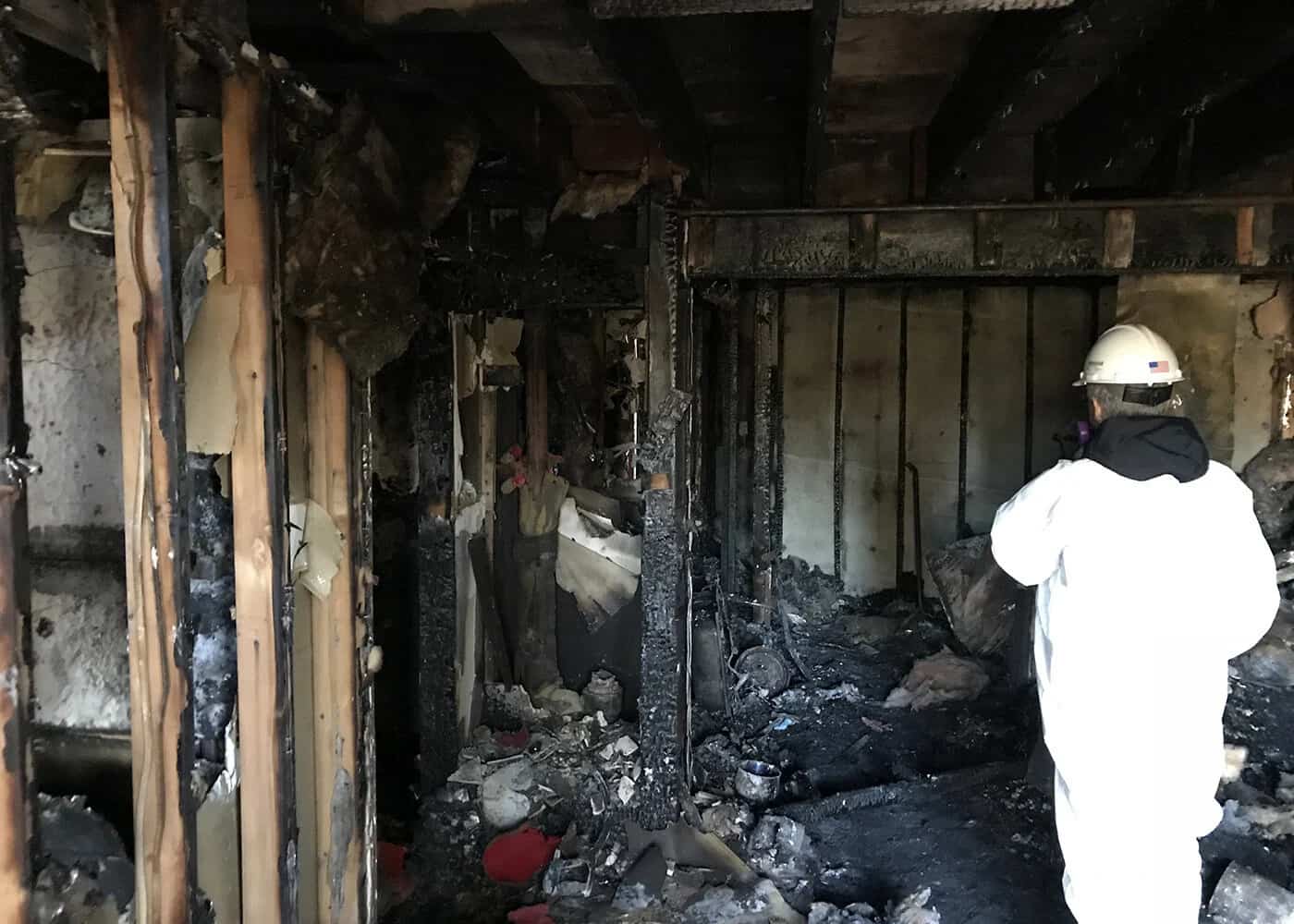
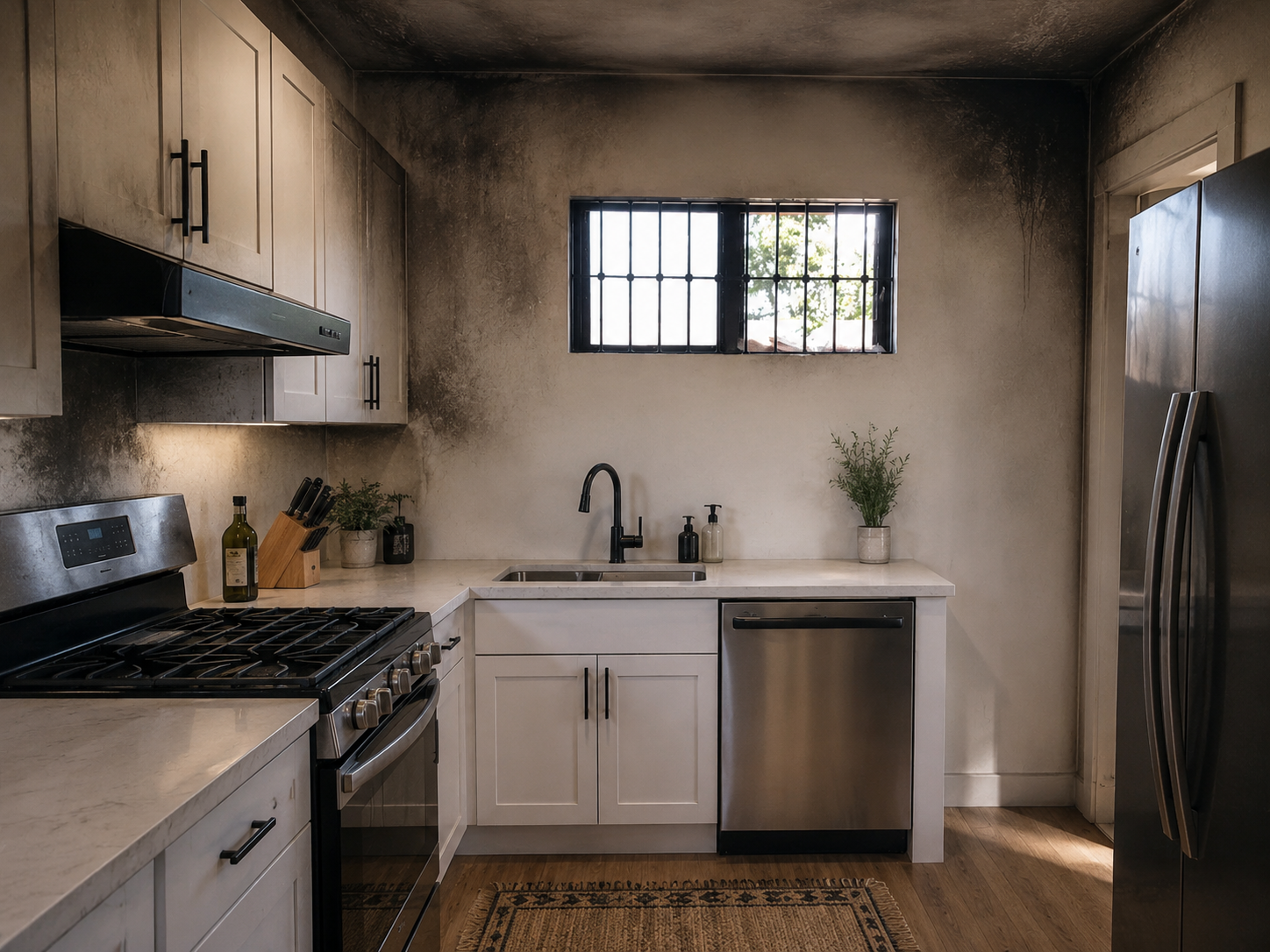
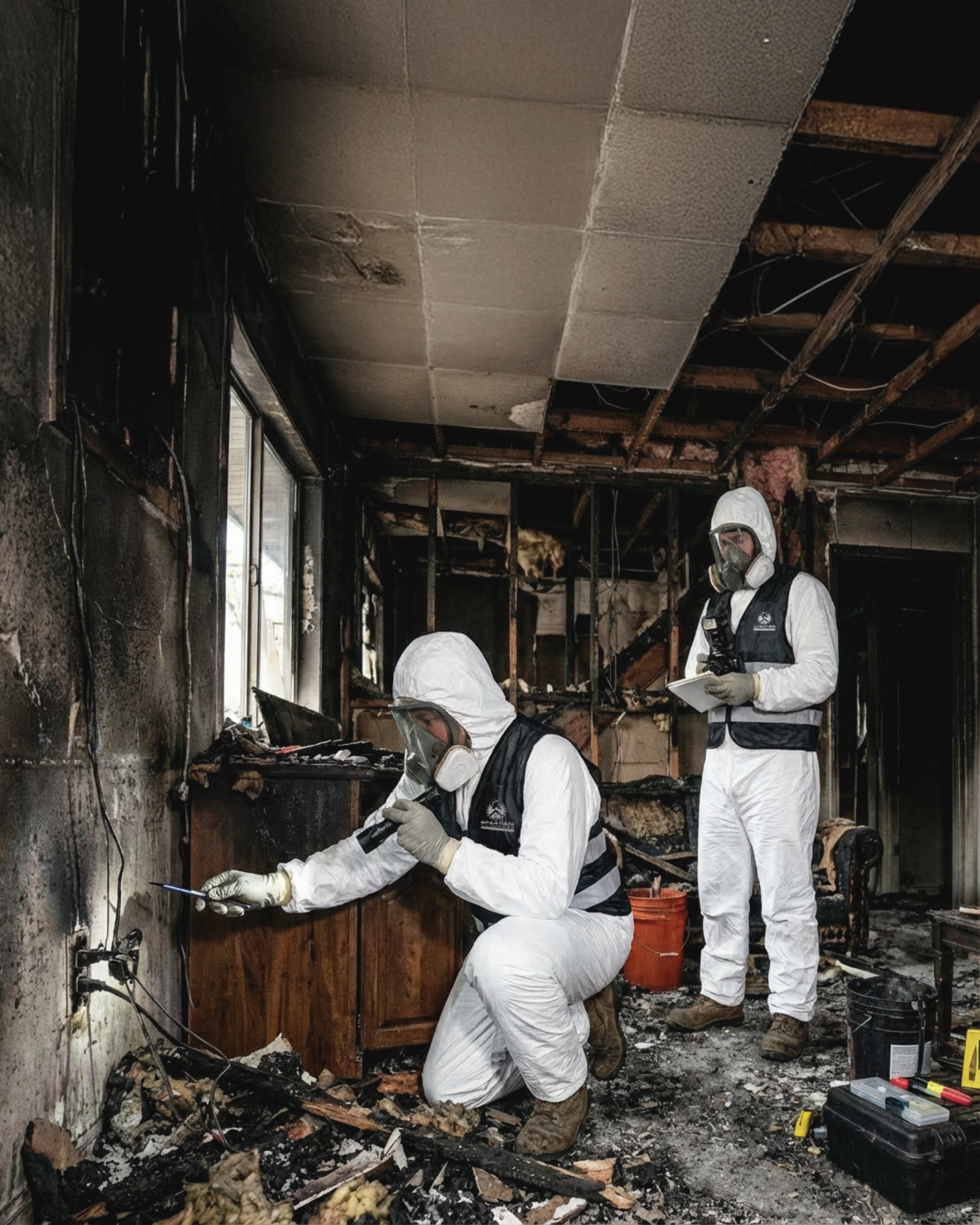
Assessing the damage can be overwhelming. Fire often leaves soot, smoke damage, and weakened structures behind. The cleanup process is not just about repairing visible damage; smoke and soot can linger and create odors and health hazards. Professional services like Spartan Restoration’s Smoke Damage and Soot Removal remove smoke odor, clean soot, and restore your home to a safe and livable condition.
Fire damage restoration experts also handle debris removal, structural repairs, and thorough cleaning to make sure your home is rebuilt safely. Their experience saves time, reduces stress, and ensures your home is restored properly so your family can return to normal life.
VIII. Conclusion
Fire safety starts with awareness and simple habits. Paying attention while cooking, checking appliances and wiring, and keeping flammable materials away from heat sources can reduce the risk of fire. Being prepared and knowing what to do if a fire starts can protect lives and minimize damage.
If your home has been affected by fire, don’t try to manage it alone. Spartan Restoration’s Fire Damage Restoration Services and Smoke Damage and Soot Removal can restore your home quickly, safely, and completely. Acting fast ensures your home is repaired properly and your family stays safe.